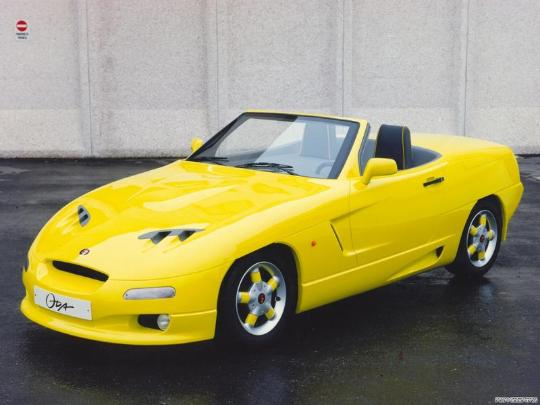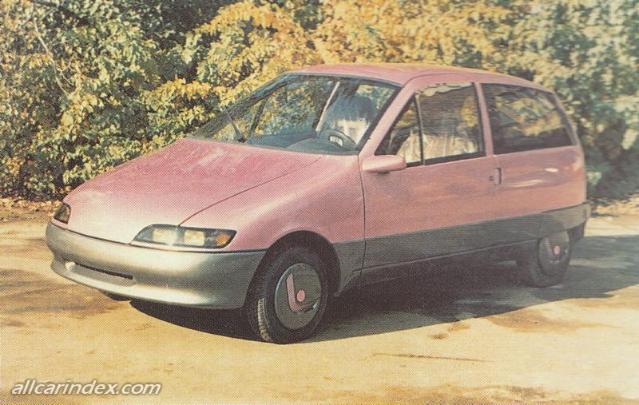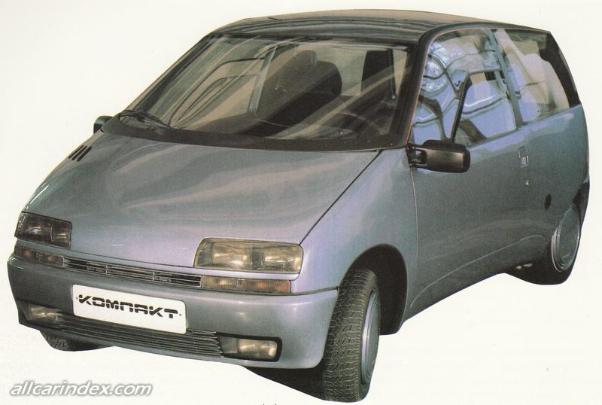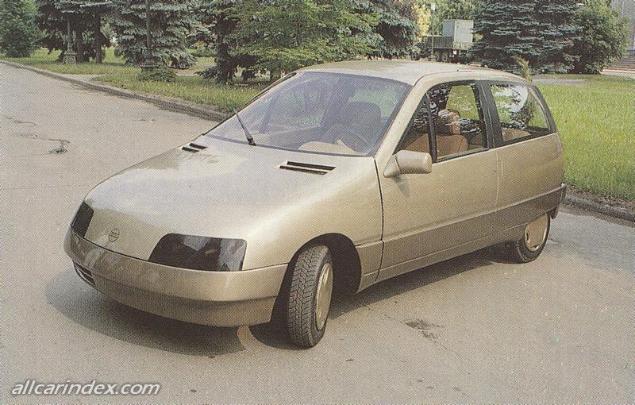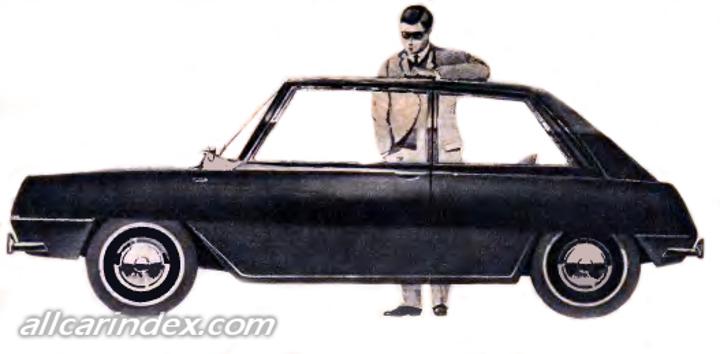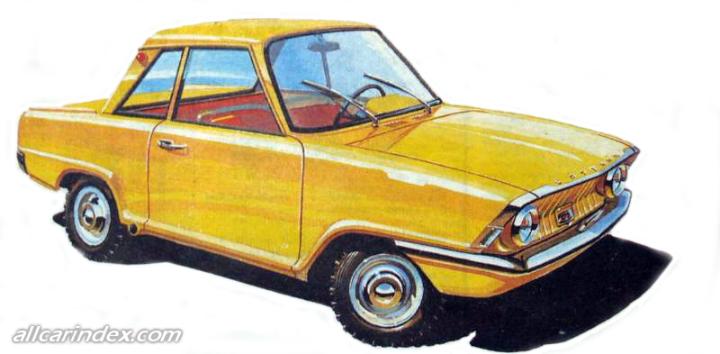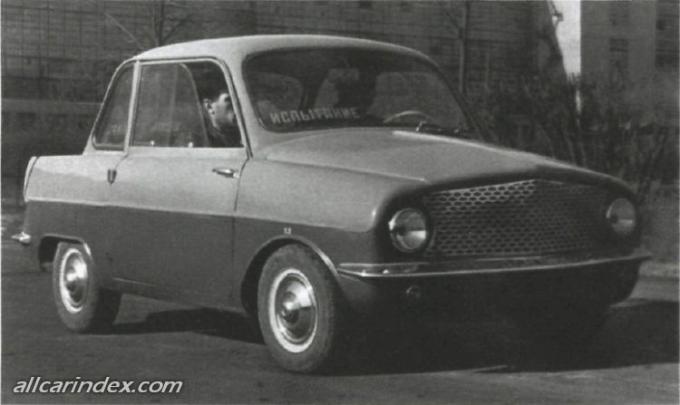
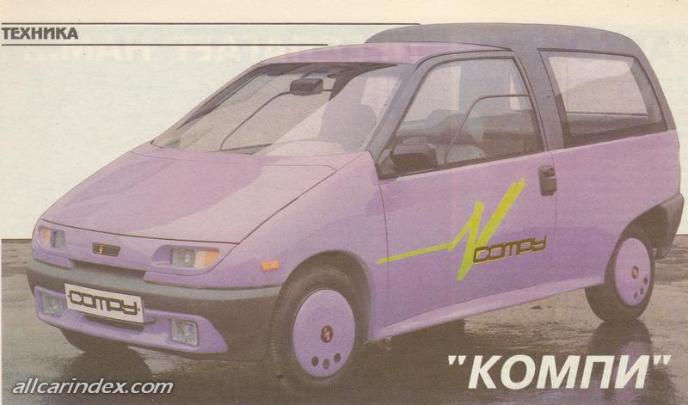

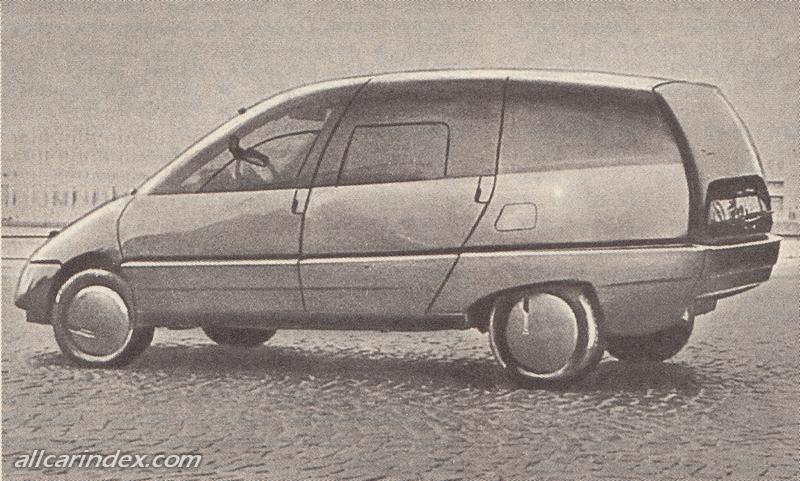
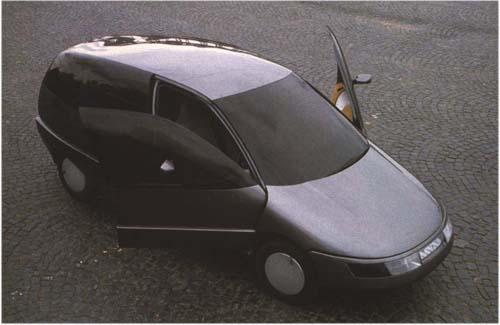
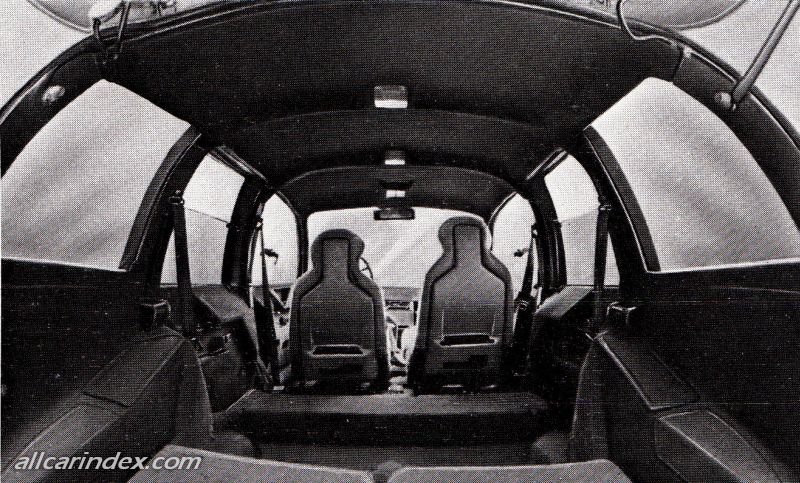
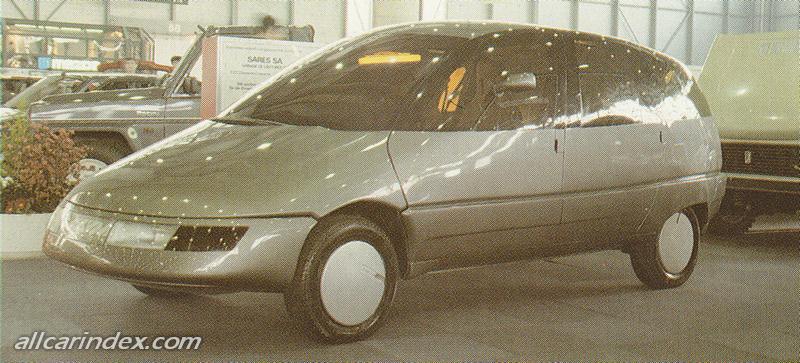
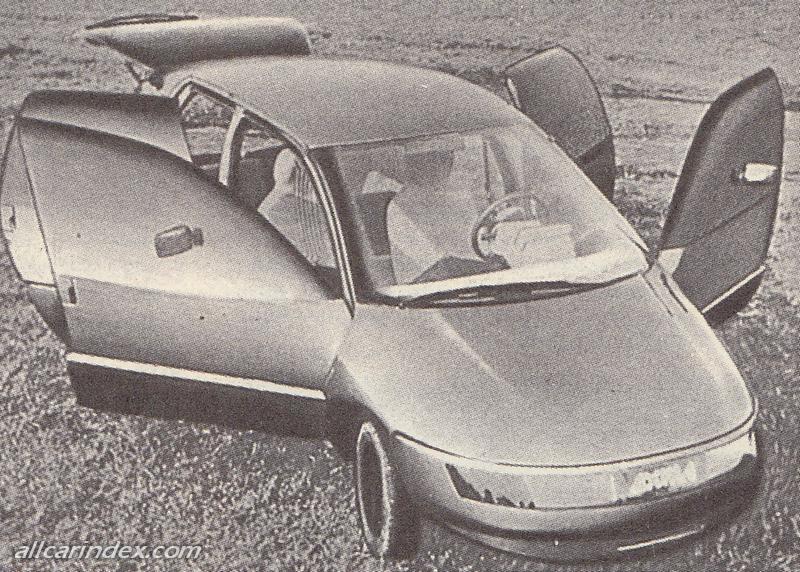
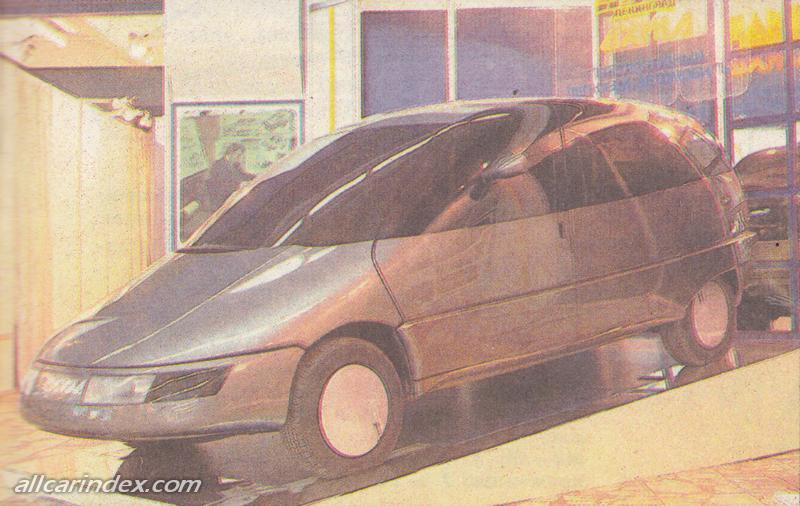
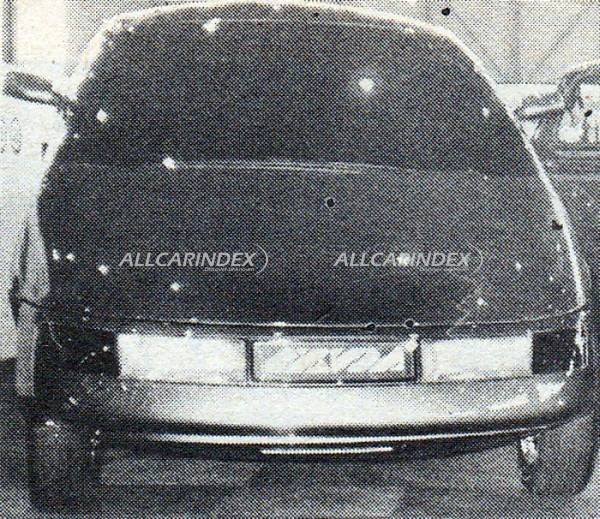
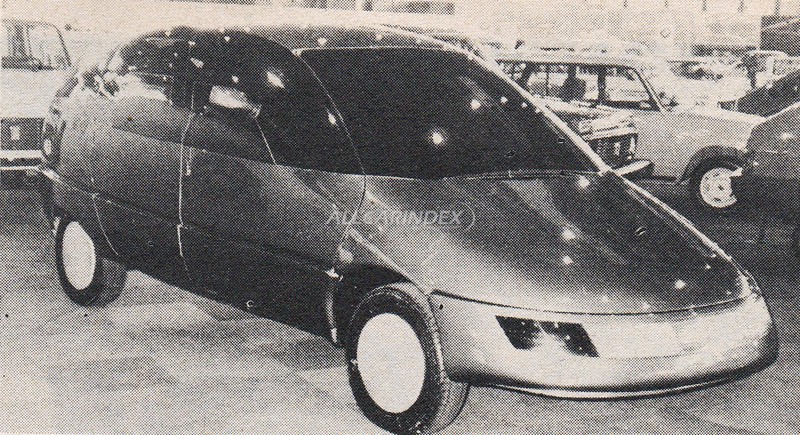
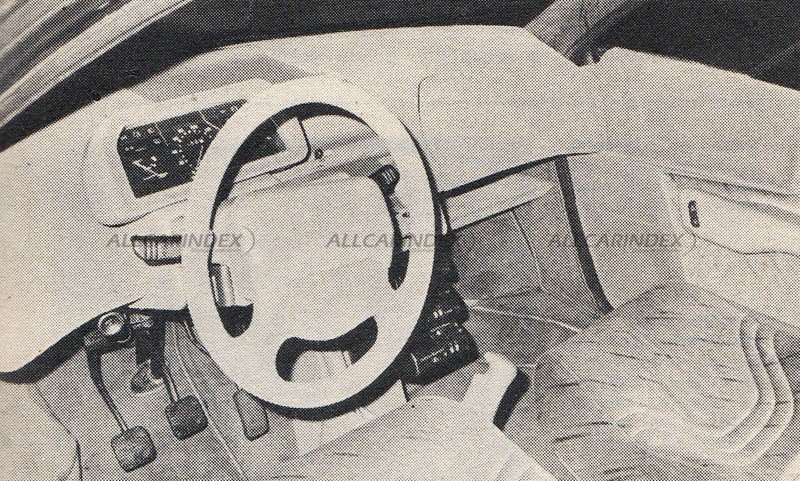
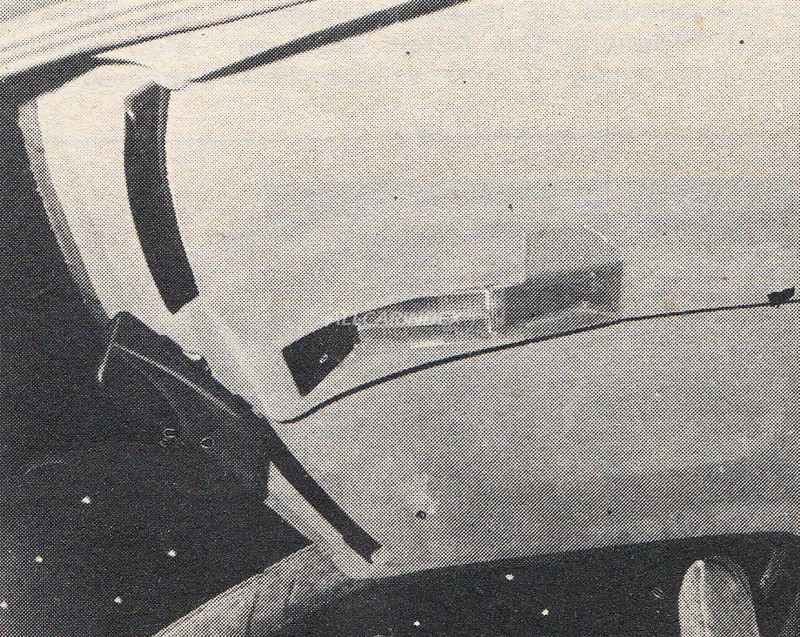
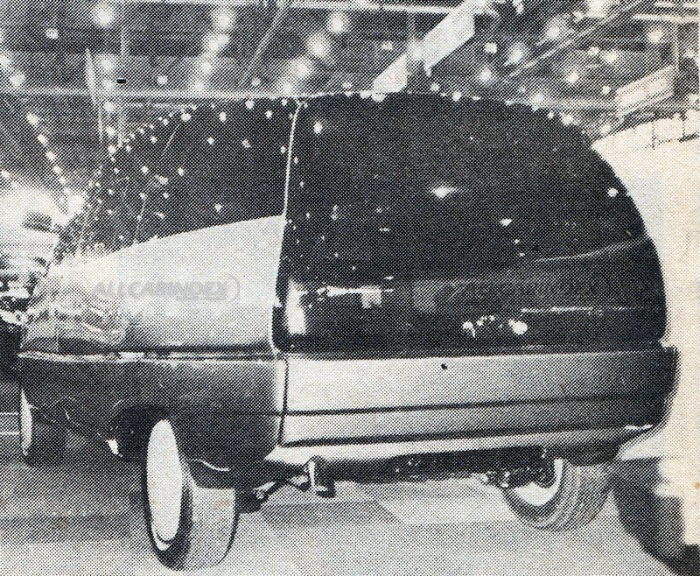
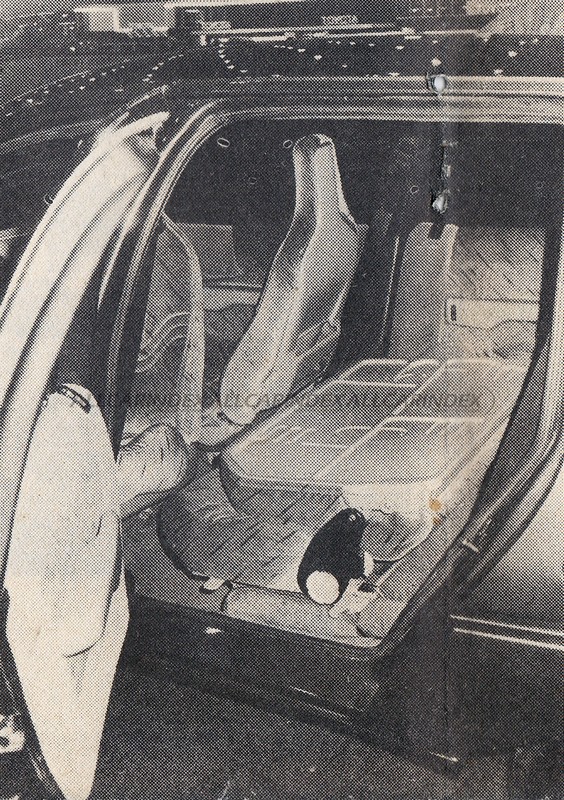
The Ohta concept car traces back to 1985, when Leningrad residents Dmitry Parfyonov and Gennady Khainov built two identical homemade cars called Laura, which drew coverage in newspapers and magazines. Their workshop was subsequently turned into the Laboratory of Advanced Modeling at NAMI, and it was there that the Ohta was built as a single prototype completed in 1987.
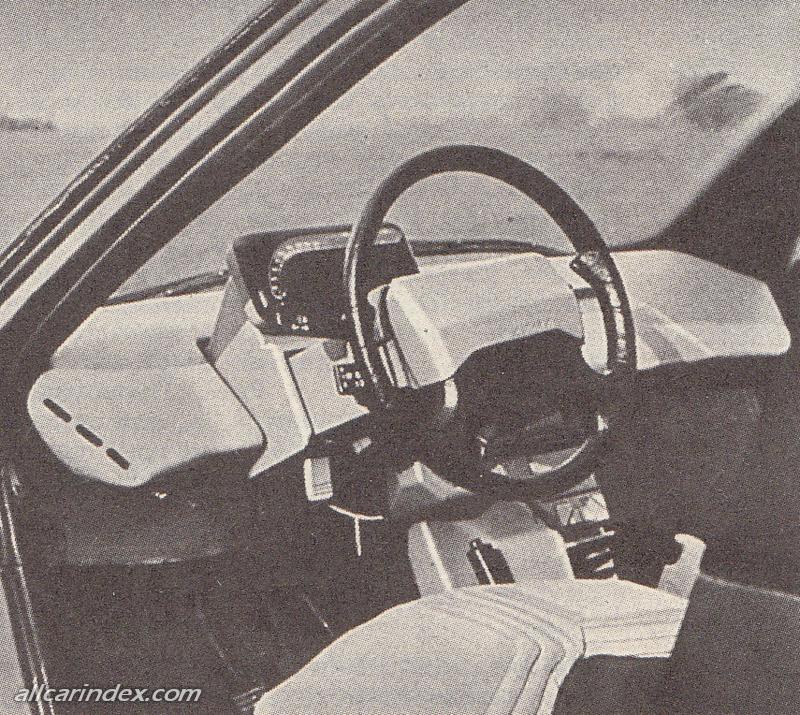
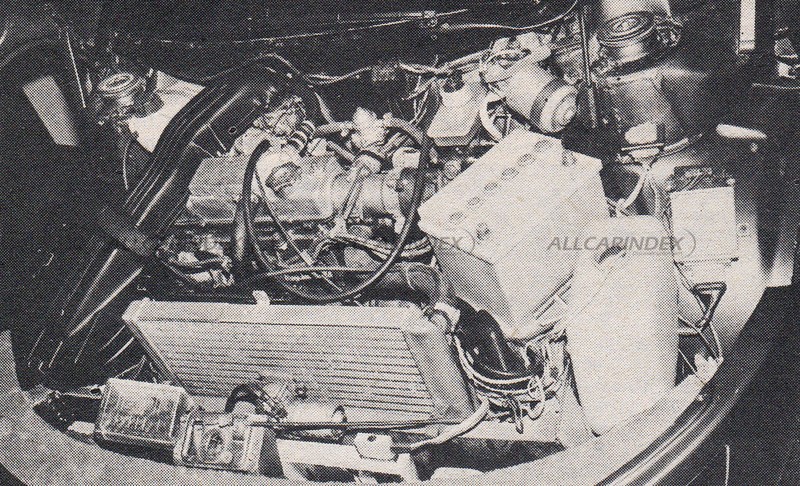
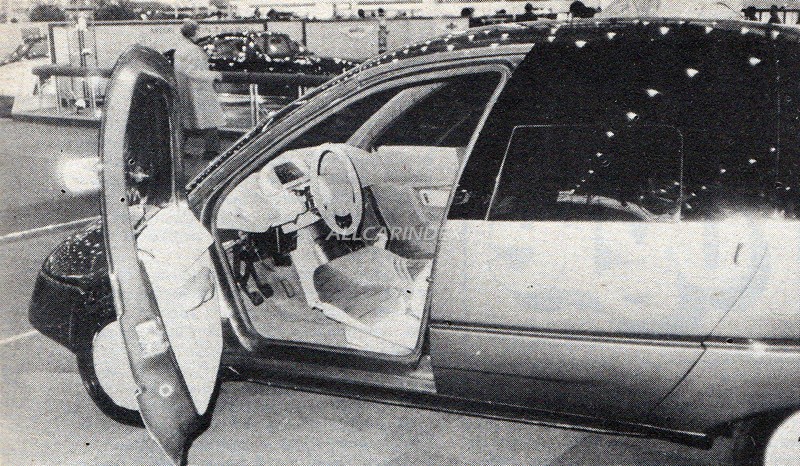
The car used running gear from the VAZ-21083 but had an original body consisting of a metal frame with fiberglass outer panels. It also introduced multiplex wiring, developed jointly with the ATE-1 plant. In 1988 the Ohta was exhibited at the Geneva motor show.
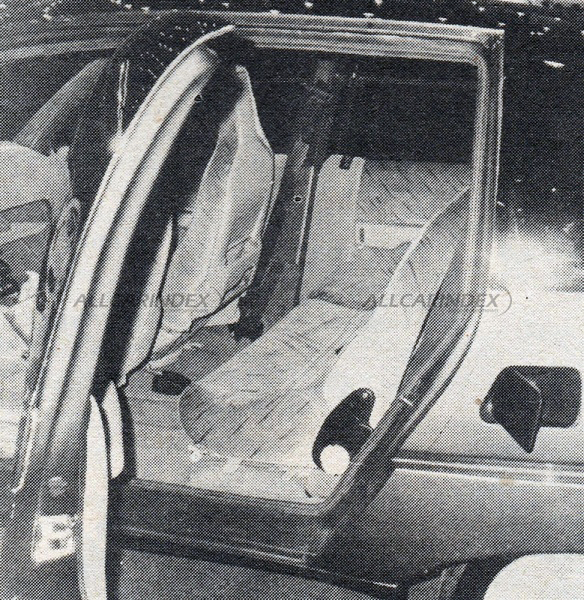
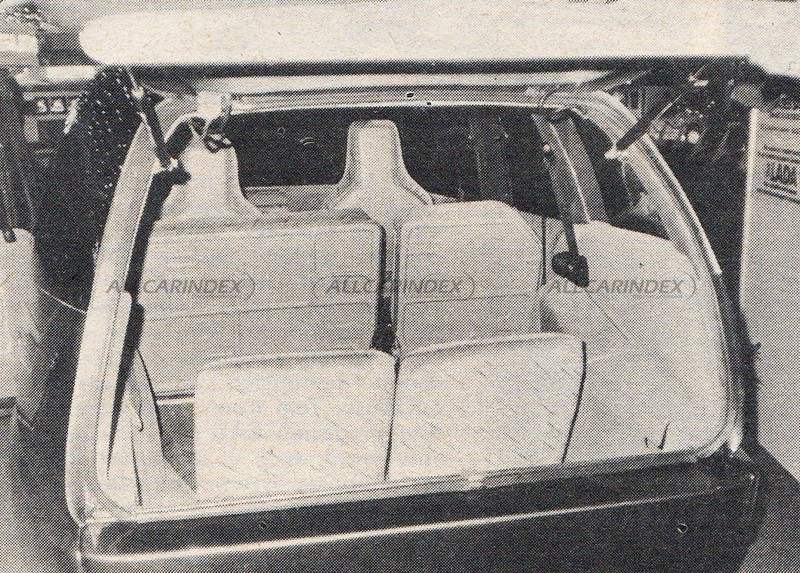
The car measured 4,290 mm long, 1,700 mm wide and 1,530 mm tall on a 2,570 mm wheelbase, built as a seven-seat minivan with a front-mounted engine driving the front wheels. It used the VAZ-21083 inline four-cylinder gasoline engine of 1,499 cc with 8 overhead valves, producing 73 hp (54 kW) at 5,600 rpm, paired with a five-speed manual gearbox. Front suspension was independent, spring-based and of MacPherson type, while the rear used a dependent spring setup. Brakes were hydraulic with a vacuum booster, discs at the front and drums at the rear, with a 12-volt electrical system and 165/70R13 tires.