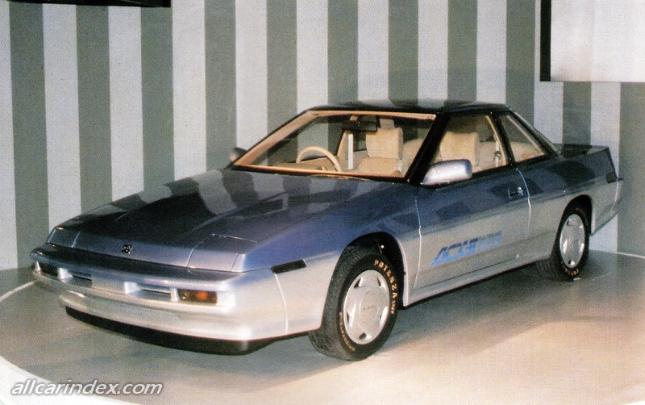

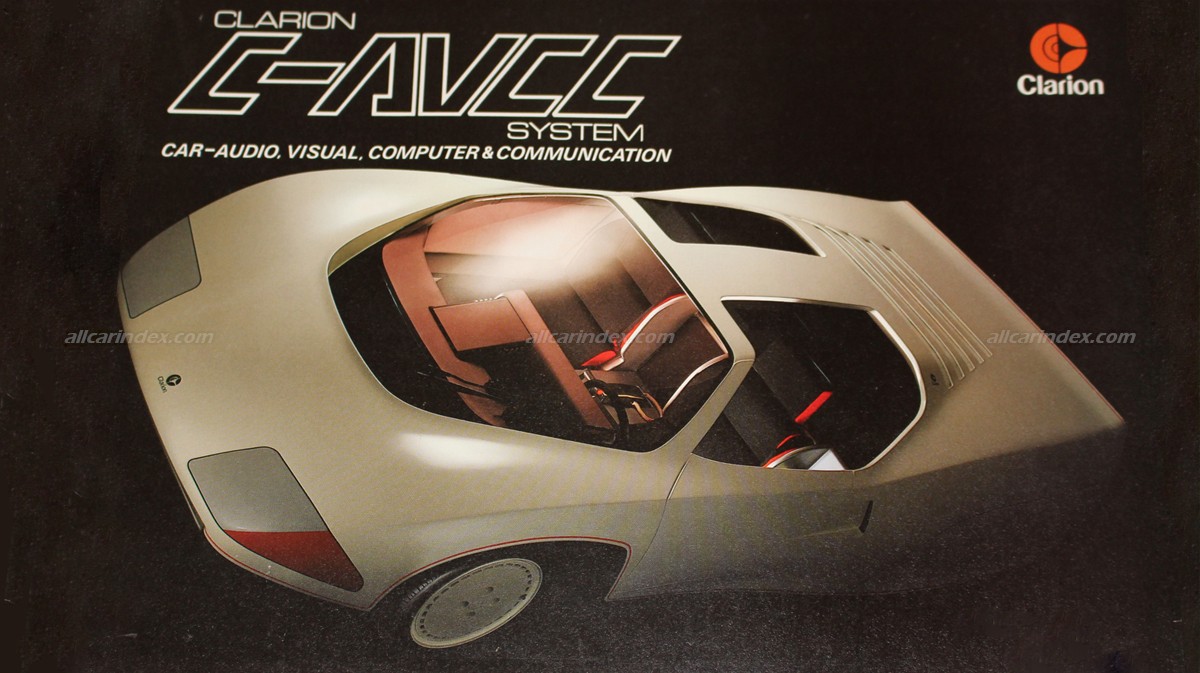
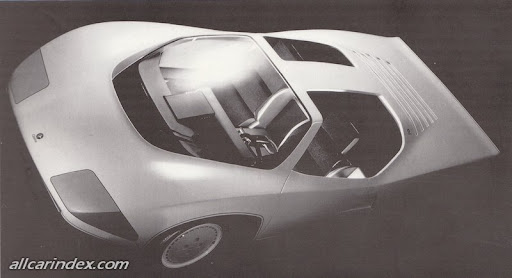
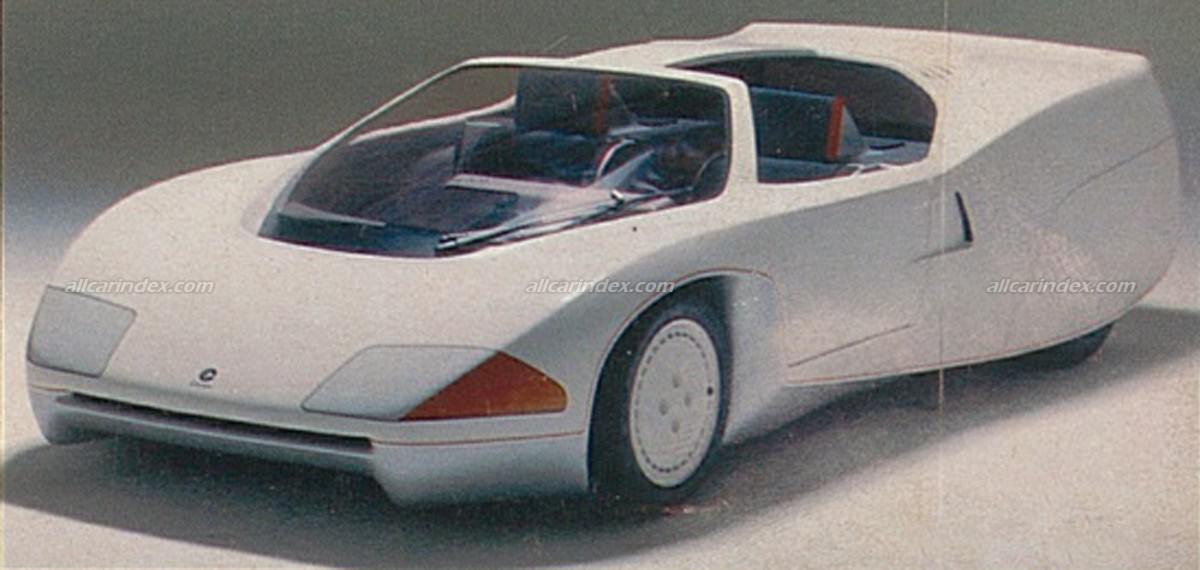
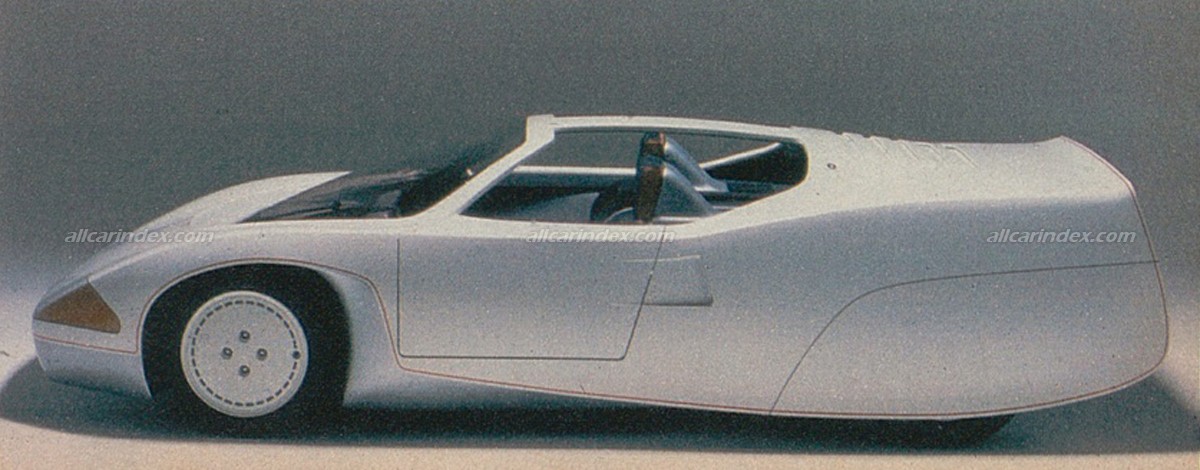
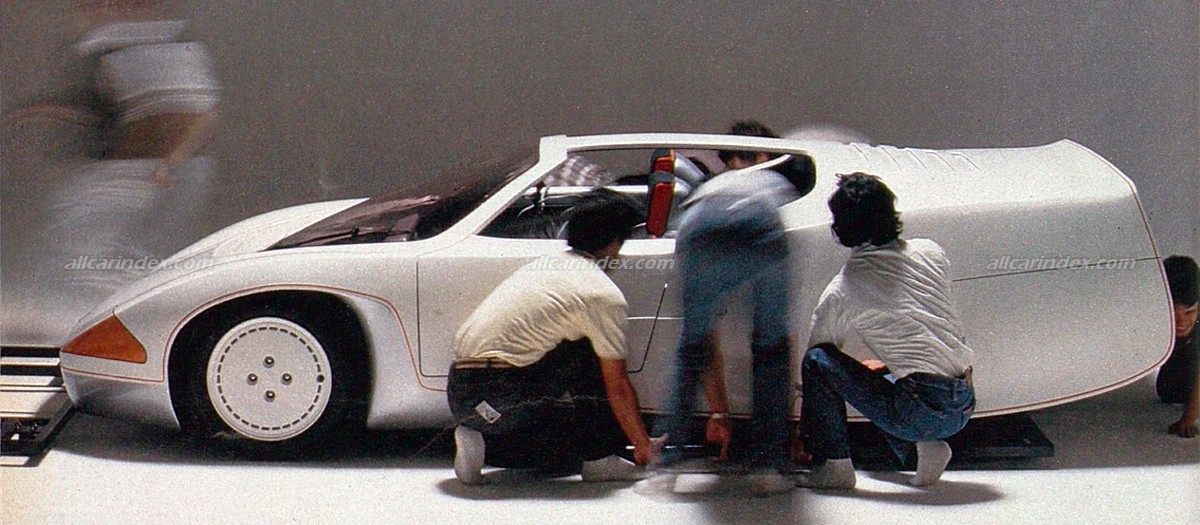
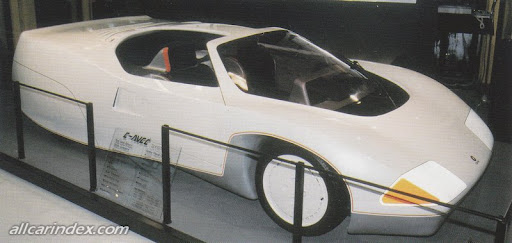
The Clarion C-AVCC was a one-off concept car built as a 1:1-scale study under the direction of Clarion, described as Japan's largest manufacturer of car audio equipment such as radios and cassette players. Its name stood for Car, Audio, Visual, Computer and Communication. The car was styled as a mid-engined sports coupe and was never put into production.
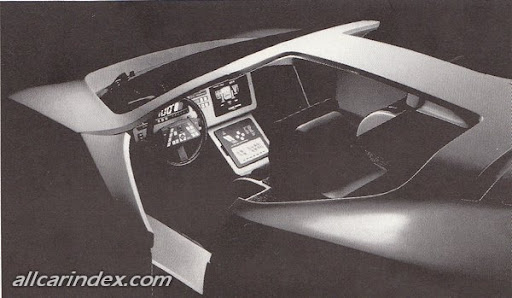
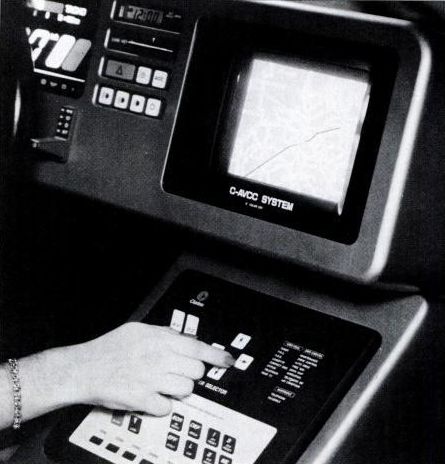
Rather than focusing only on entertainment features, Clarion combined the latest audio and video technology with in-car information, navigation and road data systems. A large screen mounted at the center of the dashboard above the center console formed the focal point of the cabin, with functions operable via touch controls on the console or on the steering wheel hub. Sound could be played from cassette, CD or 8mm video tape, and the monitor could also display video films or receive television-style broadcasts. The radio featured a Programme Recognising Scanner that automatically selected the best frequency for a chosen station, along with a Radio Data System able to identify content types such as traffic reports, sport or classical music.
Navigation relied on map sections read into an onboard computer linked to a gyrocompass and distance sensors, loaded via the CD player, alongside a second system that read route information from the road surface and processed local traffic data. The car could pass through toll points without stopping, using automatic account billing. Additional features included a trip computer showing fuel consumption and other data, a speed control system with monitor display, a climate control system operated by moving a cursor on the screen, and a telephone with number memory. A magnetic card replaced conventional door and ignition keys, allowing the doors to be locked and unlocked from up to 50 meters away. A system precursor to the C-AVCC had appeared earlier in the Peugeot Quasar concept car, shown at the Paris Motor Show in 1984.