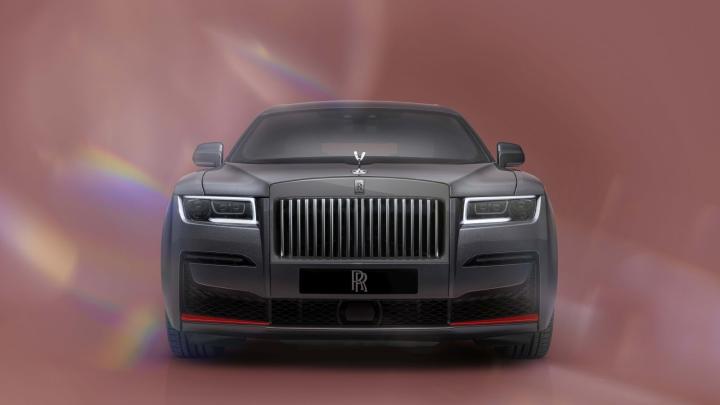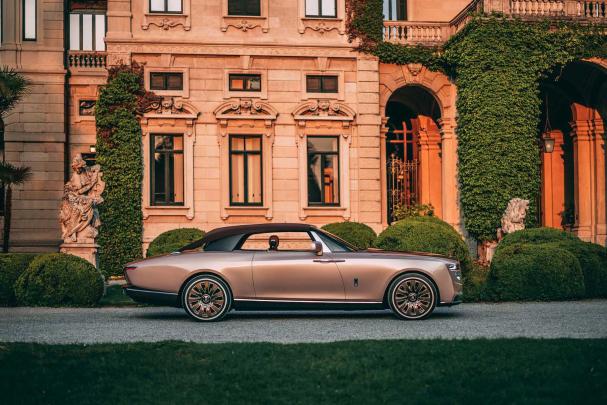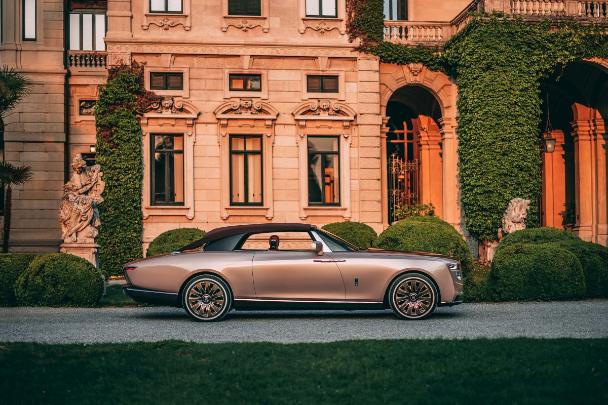
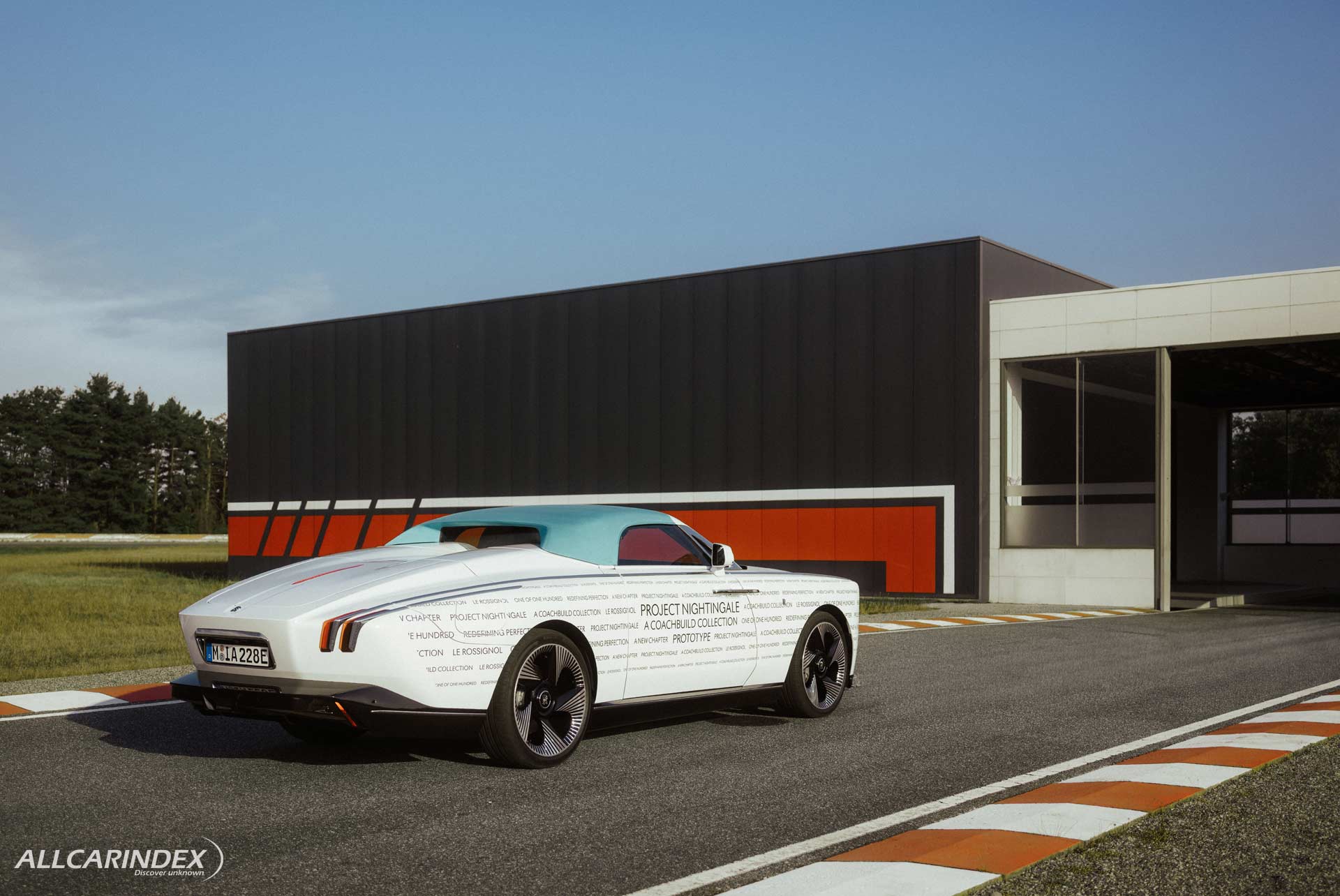
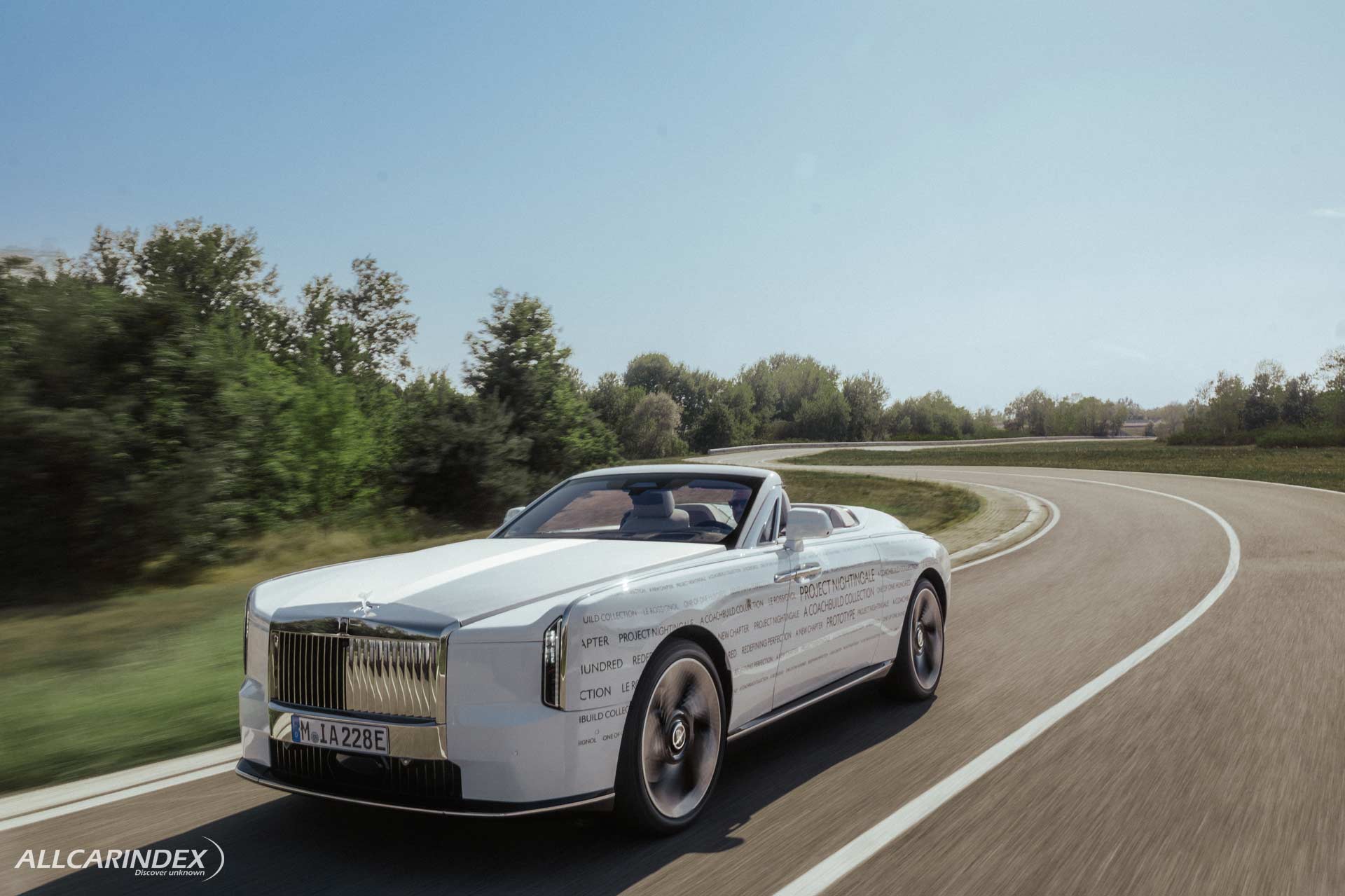
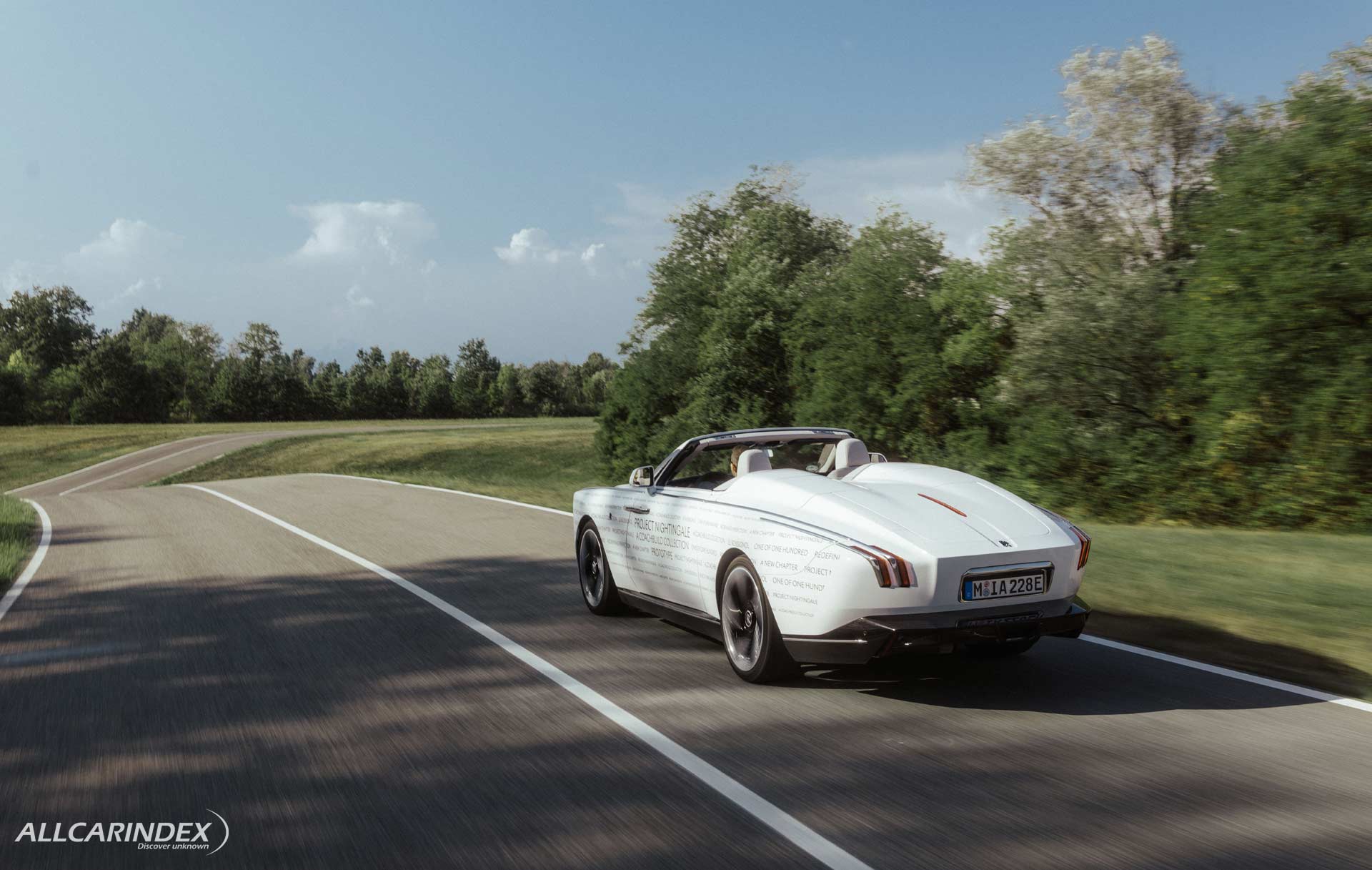
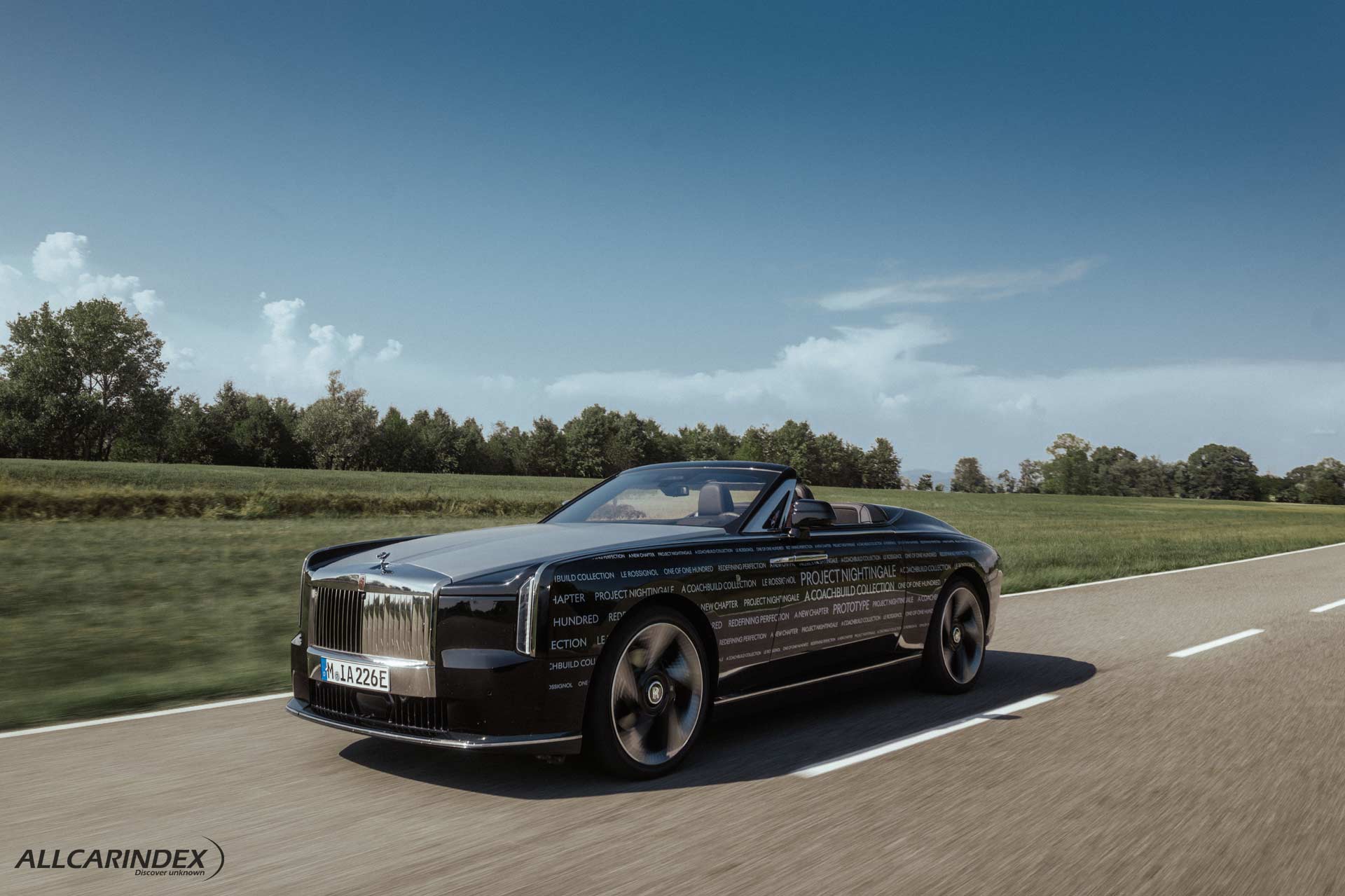
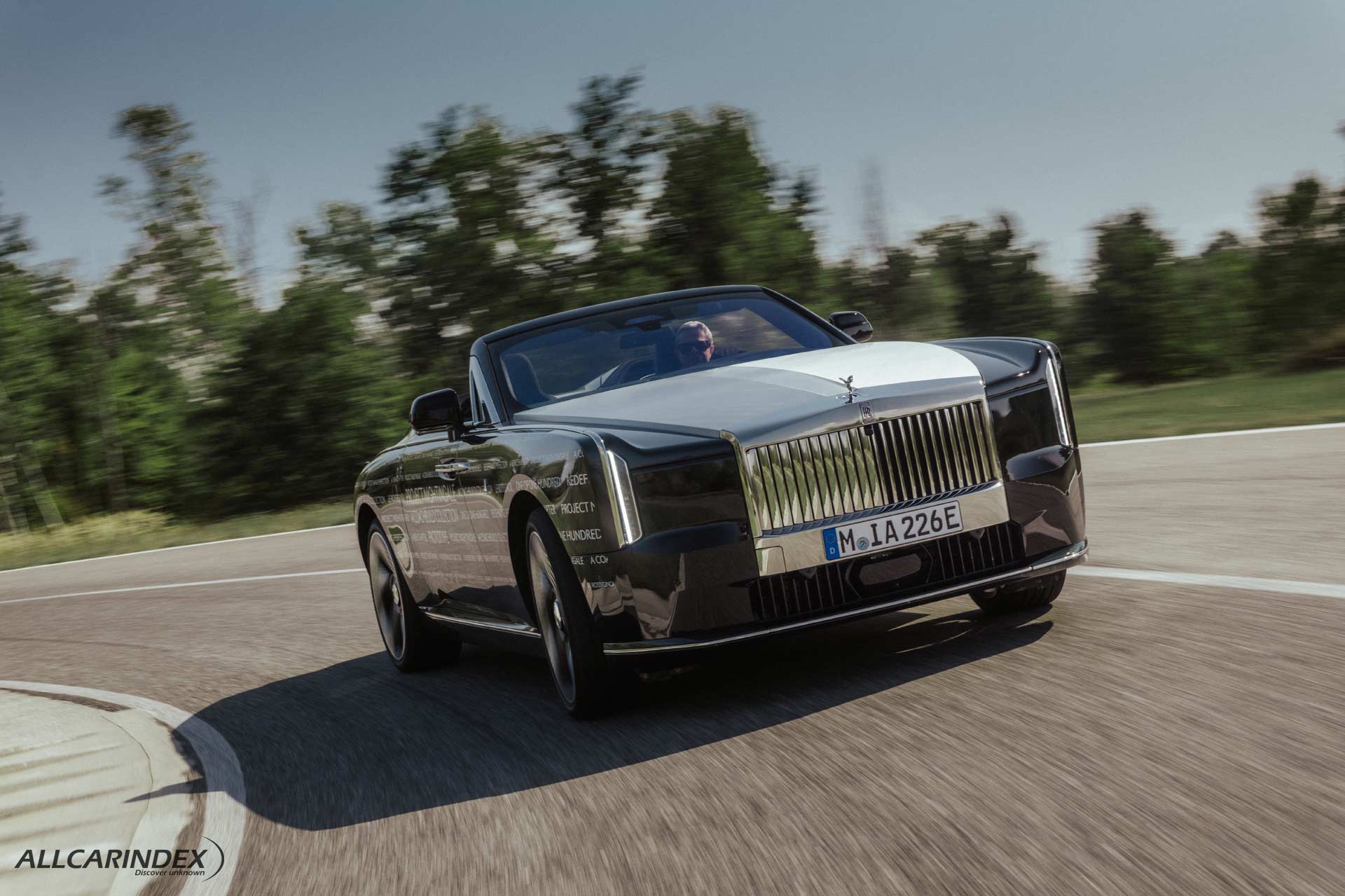
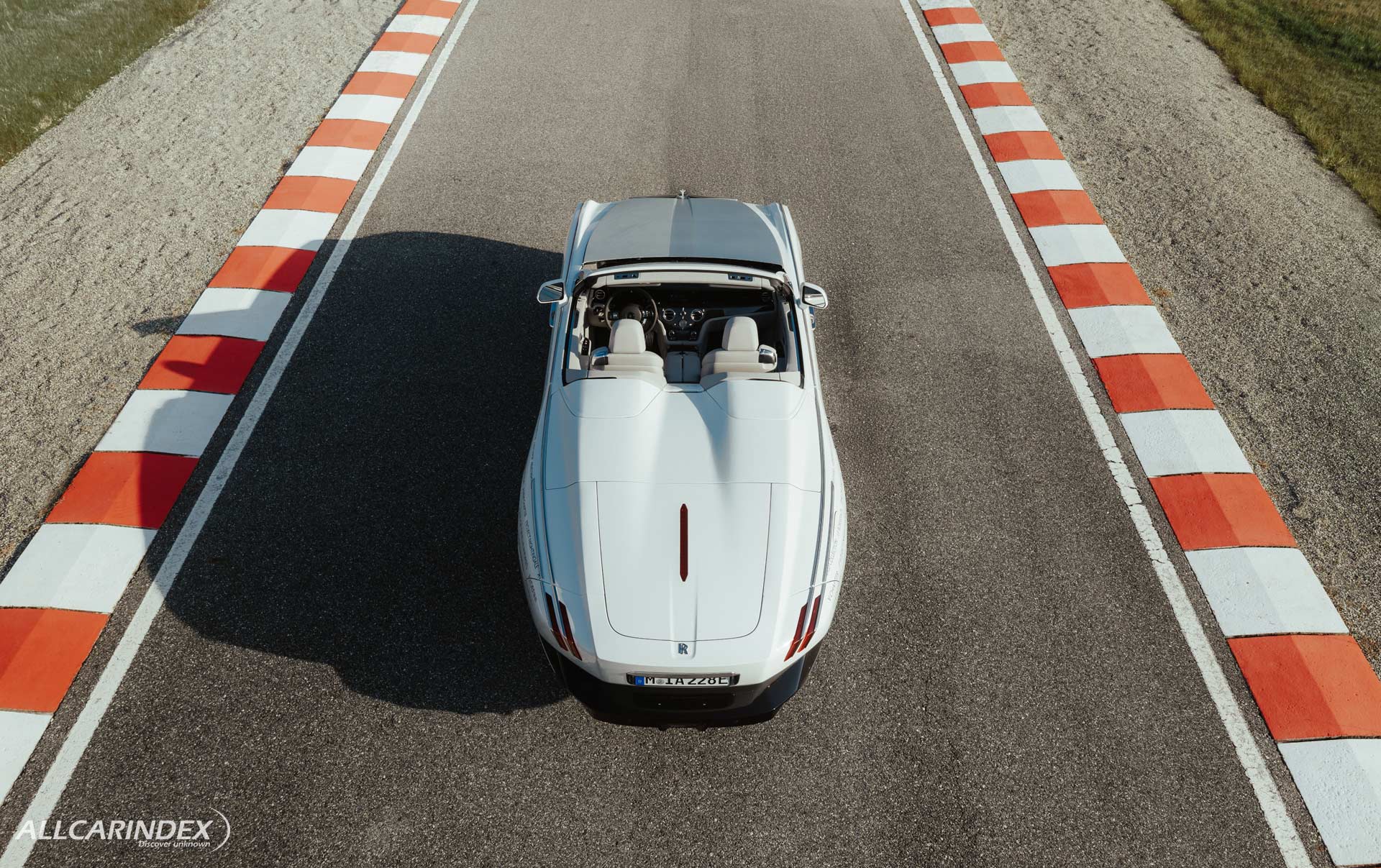

A motor car built without the usual constraints of a production line still has to survive the road, and for a Coachbuild Collection limited to just 100 client motor cars, the road means every road its owners might choose: Mediterranean corniches, the Arctic Circle, the deserts of the Arabian Peninsula. Preparing such a car for that range of demands is a much complicated undertaking, and it is precisely this undertaking that Rolls-Royce Motor Cars has now begun for Project Nightingale.
Project Nightingale was announced in April 2026 as a Coachbuild Collection of 100 client motor cars, combining the complete design freedom of coachbuilding with the marque's all-electric powertrain. From the moment the project was presented, the commissioning clients were emphatic that these motor cars would be driven and enjoyed around the world, and not kept as static objects. Preparing Project Nightingale for those journeys required Rolls-Royce to go to extraordinary lengths, subjecting prototypes to one of the most rigorous testing programmes in the marque's history.
The on-road testing marks the latest phase of a development journey that began almost three years ago. Static prototypes have already completed more than 1,430 hours of aerodynamic modelling, including digital simulations and wind tunnel testing. The results of this exhaustive laboratory work are now being validated at a private high-speed testing facility, where Project Nightingale will reach speeds of up to 155 mph! There, the motor cars also undergo extensive analysis to suppress wind noise until it is barely perceptible, preserving the combination of potency, serenity and effortlessness that defines the collection.
Next to this aerodynamic work sits a piece of engineering built specifically for the car: a fully electric wind deflector, engineered to prevent high-pressure air from looping forward into the interior suite from behind. During the programme it is being tested at a range of speeds to reduce already minimal levels of interior turbulence, while also helping retain warmth when the motor car is driven in colder climates with its roof lowered.
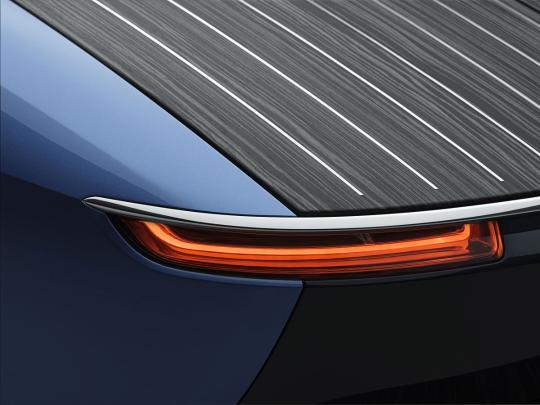
The roof itself carries its own testing regime. Lined with a unique sound-deadening material combining cashmere, fabric and high-performance composites, it is undergoing 10 separate tests covering its fabric, its closing mechanism, and its performance at temperatures up to 80°C. These extremes reflect the global lifestyles of the clients who commissioned Project Nightingale, who intend to drive their motor cars year-round in every corner of the world.
Further to that, attention turns to the Piano Boot, a feature never before seen on a Rolls-Royce. Opening sideways on a cantilever, it will be subjected to up to 15,000 cycles of opening and closing, a much rigorous demand placed on a single mechanism, ensuring repeated use never interrupts the theatre and effortless operation of this gesture for generations of owners to come.
In addition to the laboratory and facility work, Rolls-Royce engineers will devote 350 collective weeks to proving Project Nightingale at the extremes of where and how its clients intend to drive. Prototype motor cars will journey from Mediterranean corniches and the Arctic Circle to the deserts of the Arabian Peninsula, enduring temperature extremes and altitudes of up to 2,750 metres.
The programme begins in Southern Europe, and at that point the connection to the marque's own history becomes particularly profound. Project Nightingale takes its name from Le Rossignol, French for the nightingale, the house Henry Royce built for his designers and engineers near his own winter home on the French Riviera. At the beginning of the 20th century, Rolls-Royce's engineers subjected motor cars to relentless speed and durability testing from this base and from the marque's test facility in Châteauroux, as well as on the roads between Monte Carlo and London. More than a century later, Project Nightingale continues this tradition, applying the same rigour to a motor car unlike any Rolls-Royce that has come before it.
Chris Brownridge, Chief Executive of Rolls-Royce Motor Cars, framed the programme as carrying the same spirit that drove Sir Henry Royce to build his experimental 'EX' motor cars in the 1920s, a desire to discover what Rolls-Royce is truly capable of, unconstrained by convention. He noted that few motor cars in the marque's history have asked so much of those who create them, and that the programme begins on the roads of Europe, where Rolls-Royce first proved itself to the world a century ago, before continuing across every climate in which its clients may choose to drive. Every detail, he said, is being refined to an extraordinary degree, down to the sound of the Piano Boot closing after 15,000 operating cycles.
Instrumentation can record precise data on speed, temperature, cycles and hours. It cannot, on its own, decide whether a motor car has achieved the serenity and authority for which Rolls-Royce is renowned. That judgement rests with the marque's most experienced engineers, the same ones now carrying Project Nightingale back across the roads of Southern Europe where Rolls-Royce testing itself began, before the collection's 100 motor cars ever reach the corniches, the ice roads and the desert heat their owners intend to drive them through.