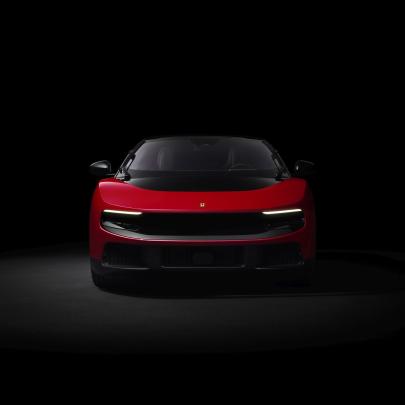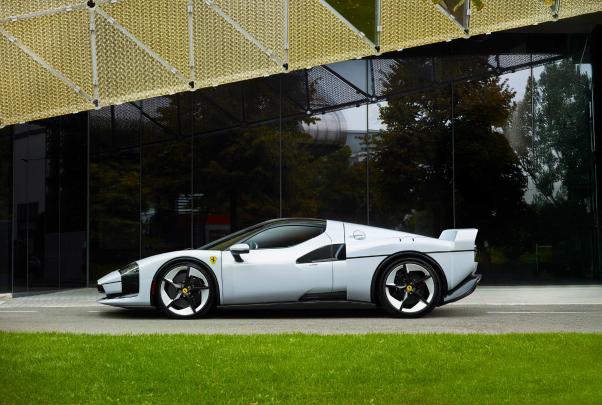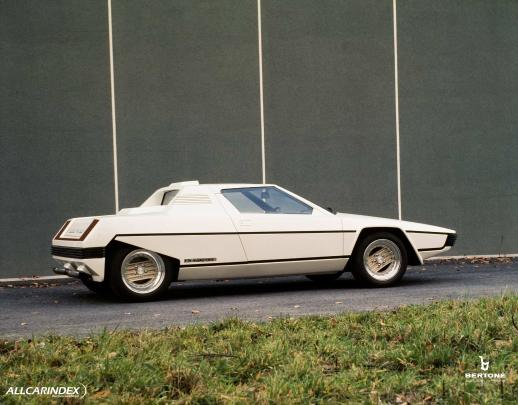
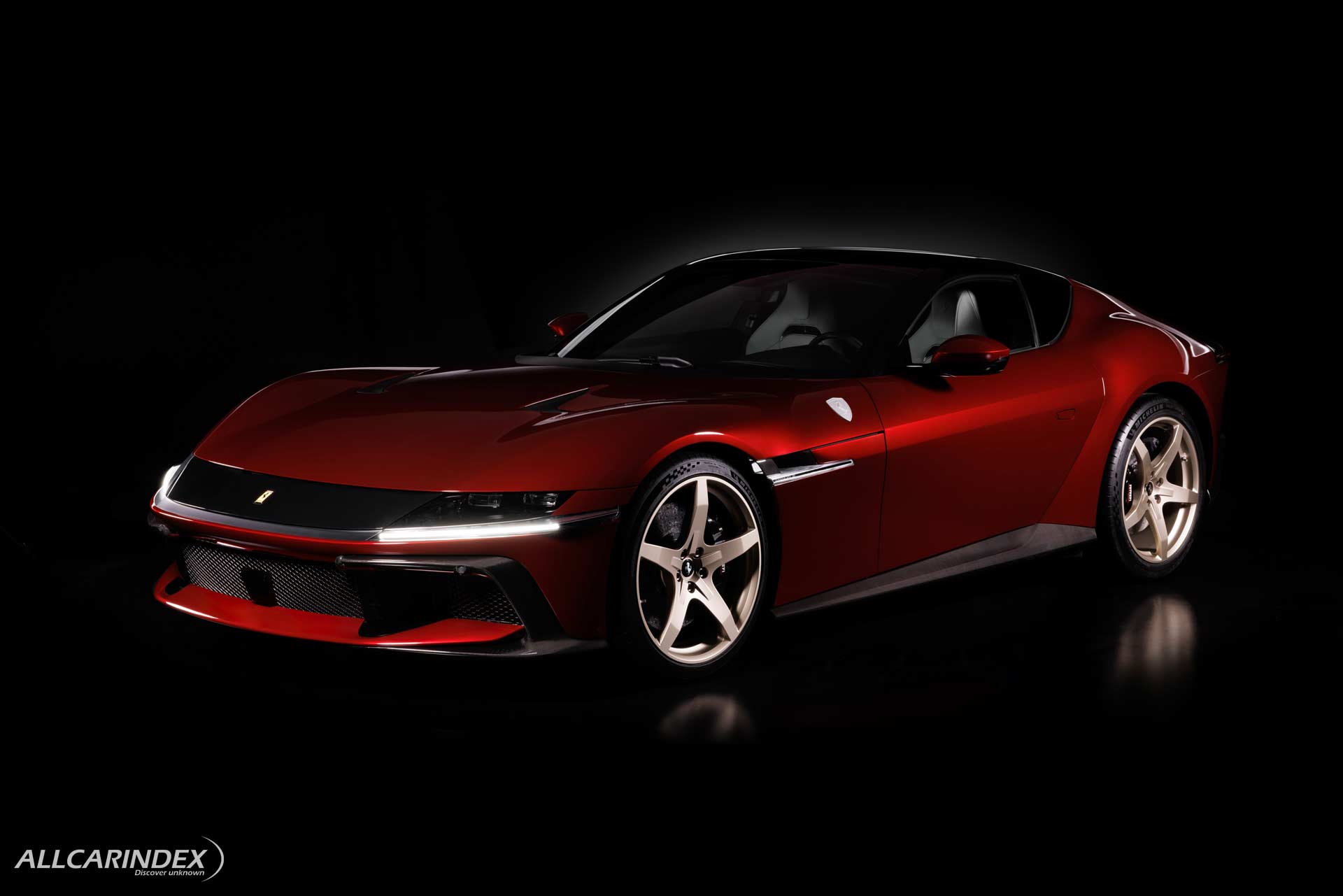
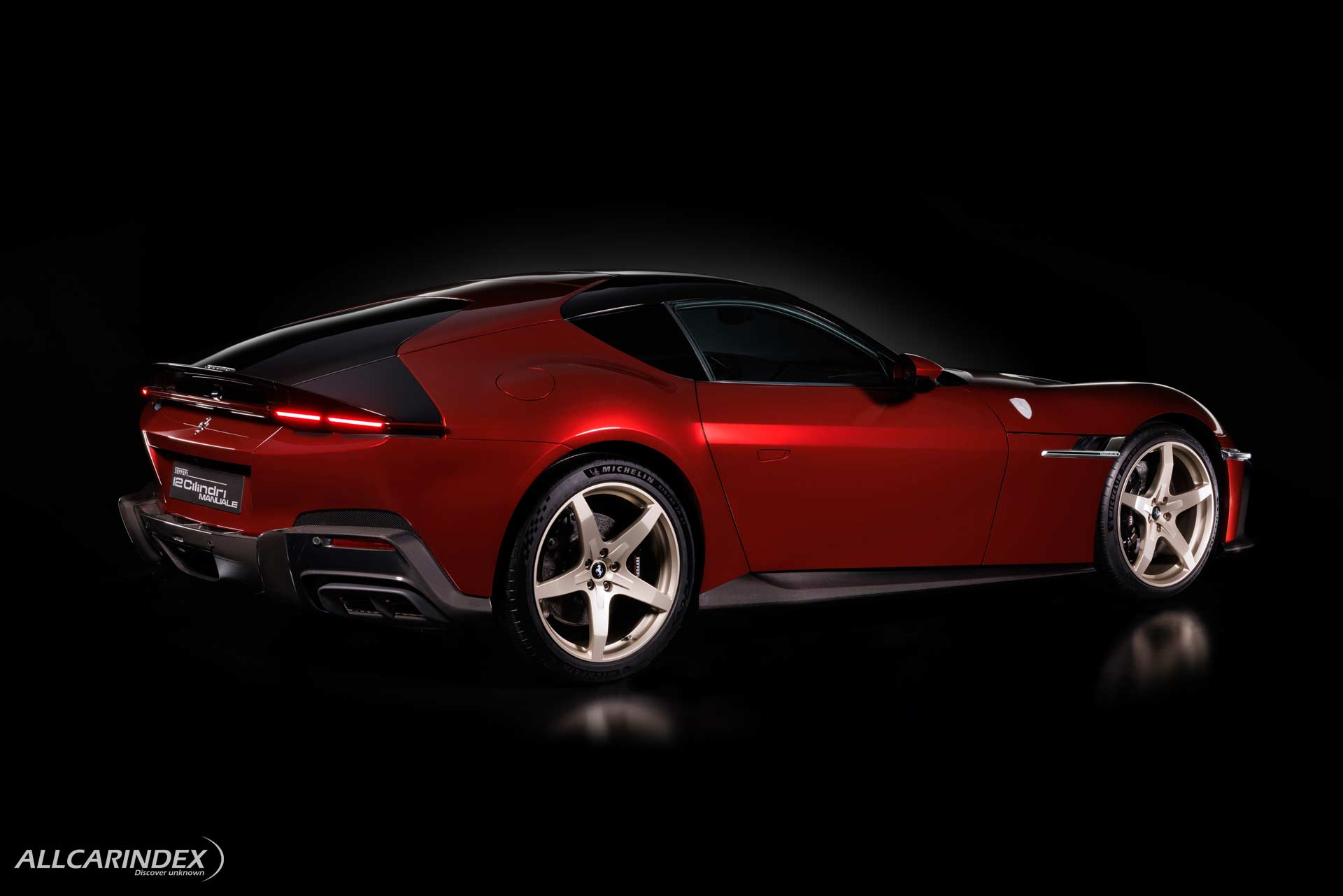
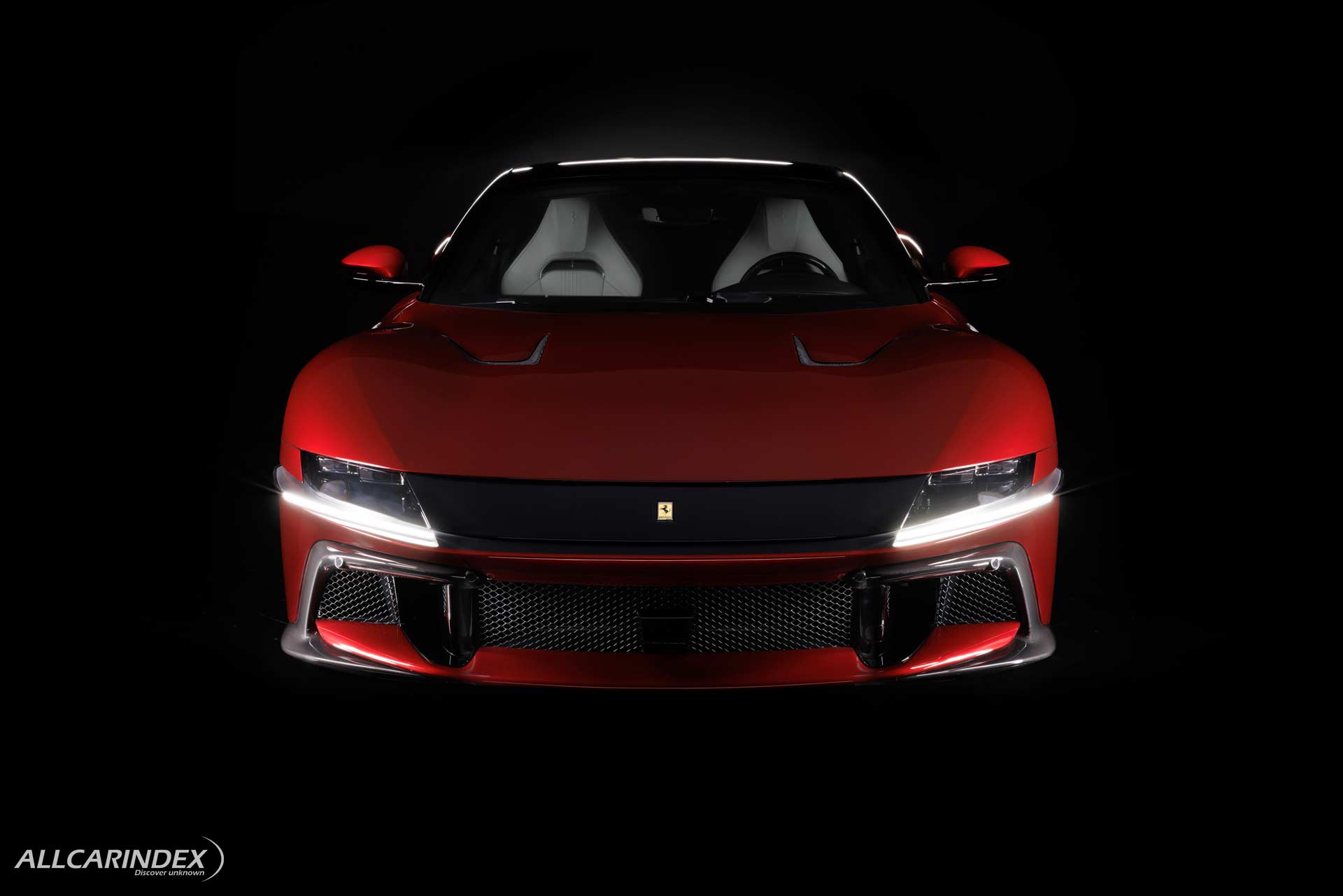
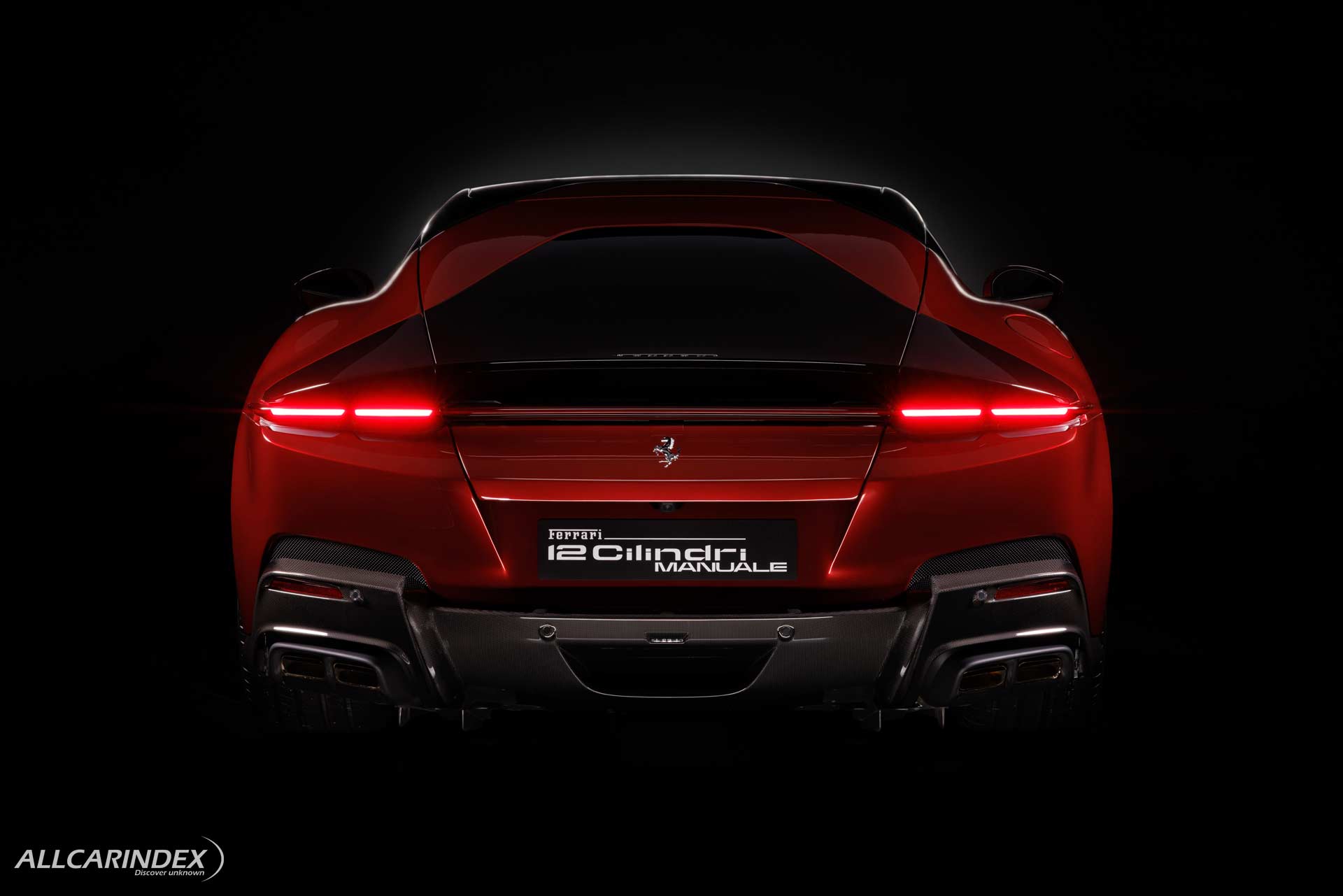
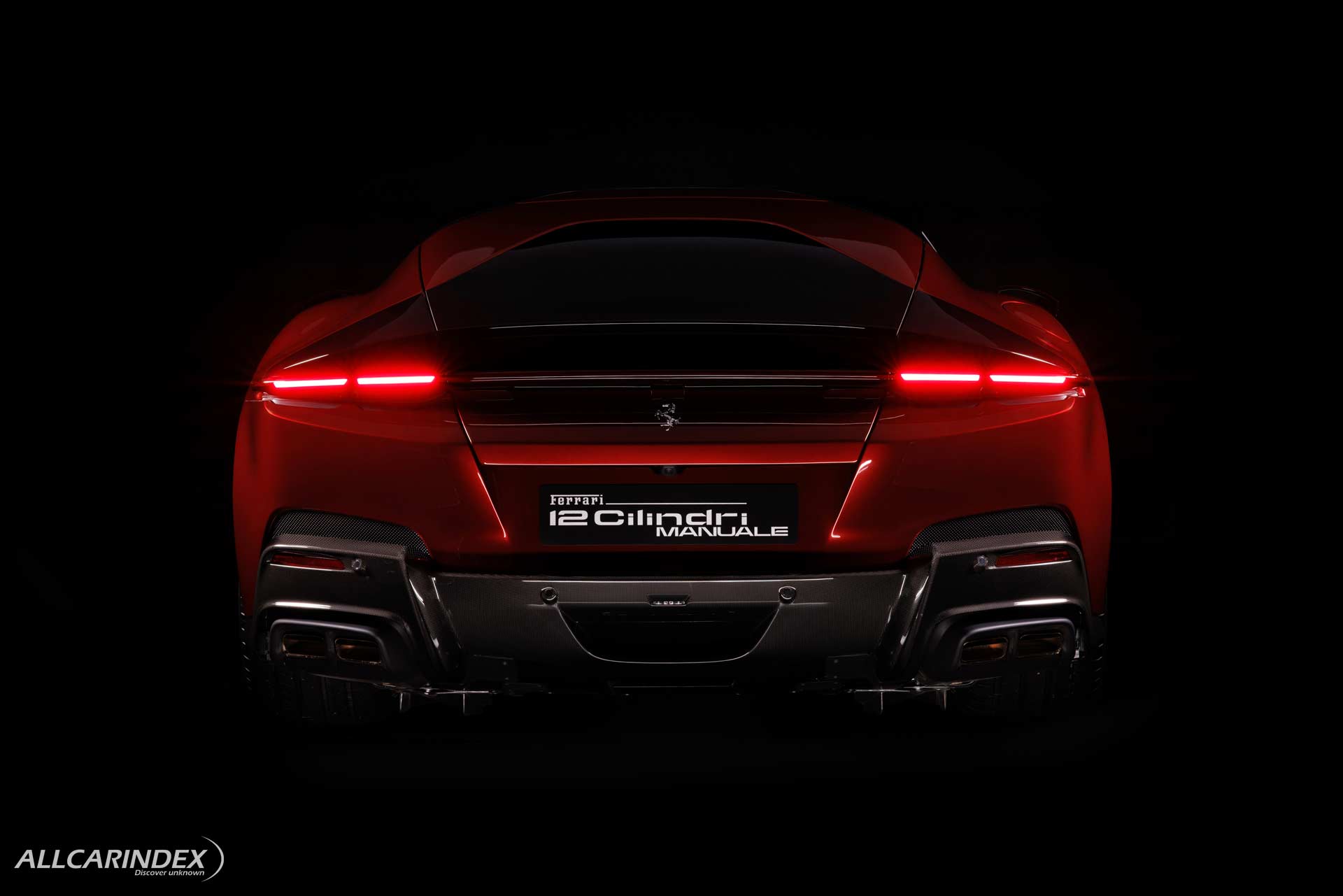
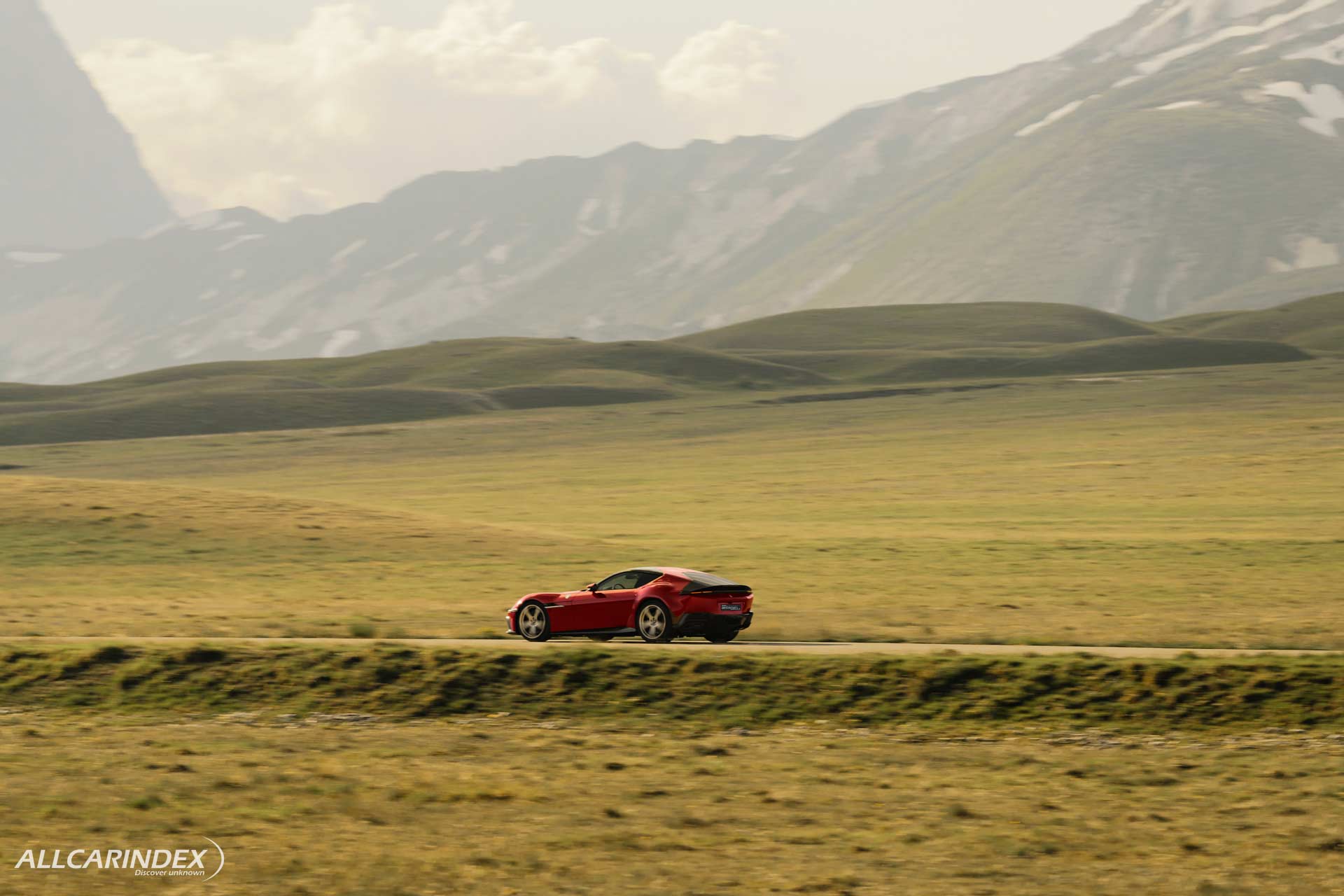
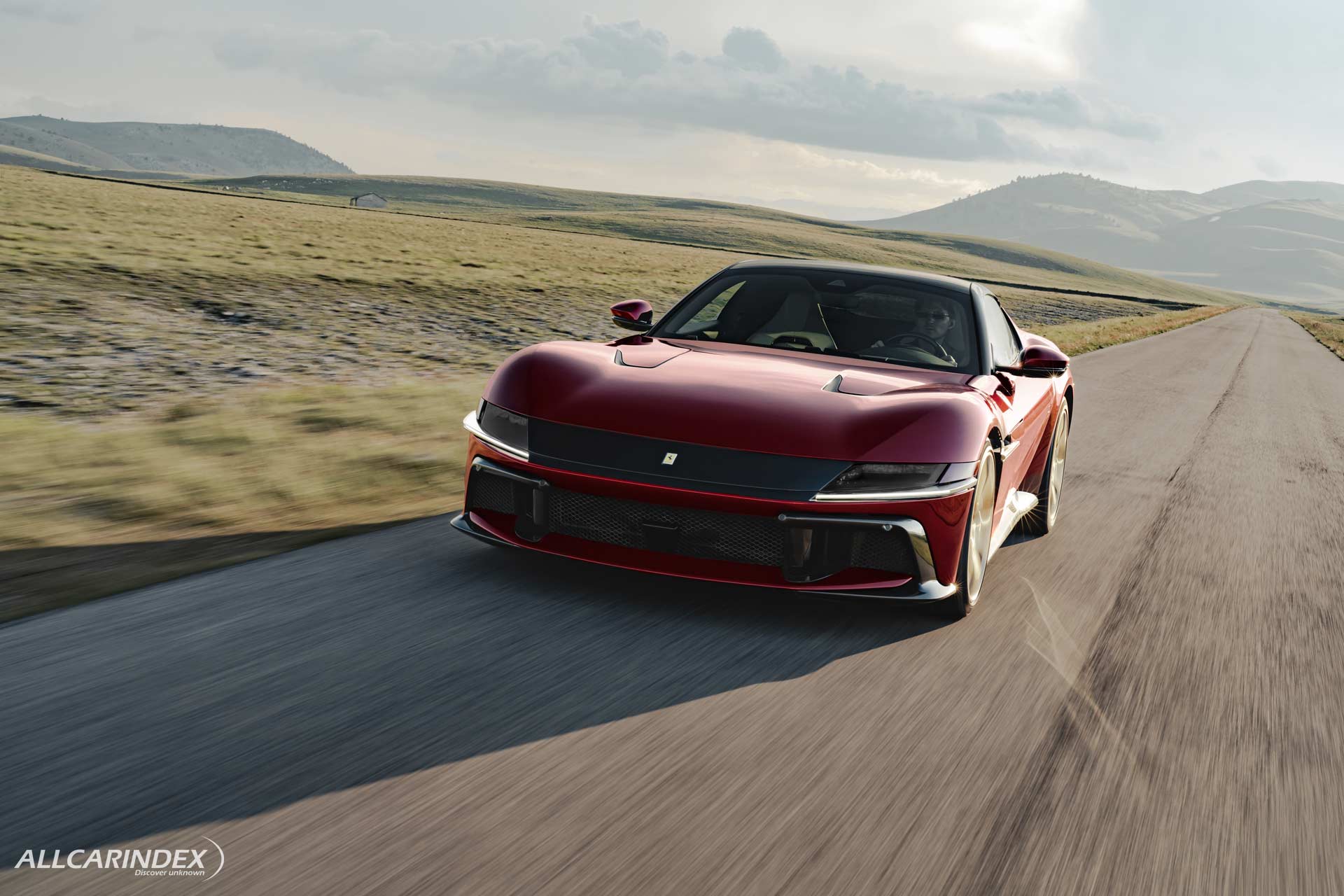
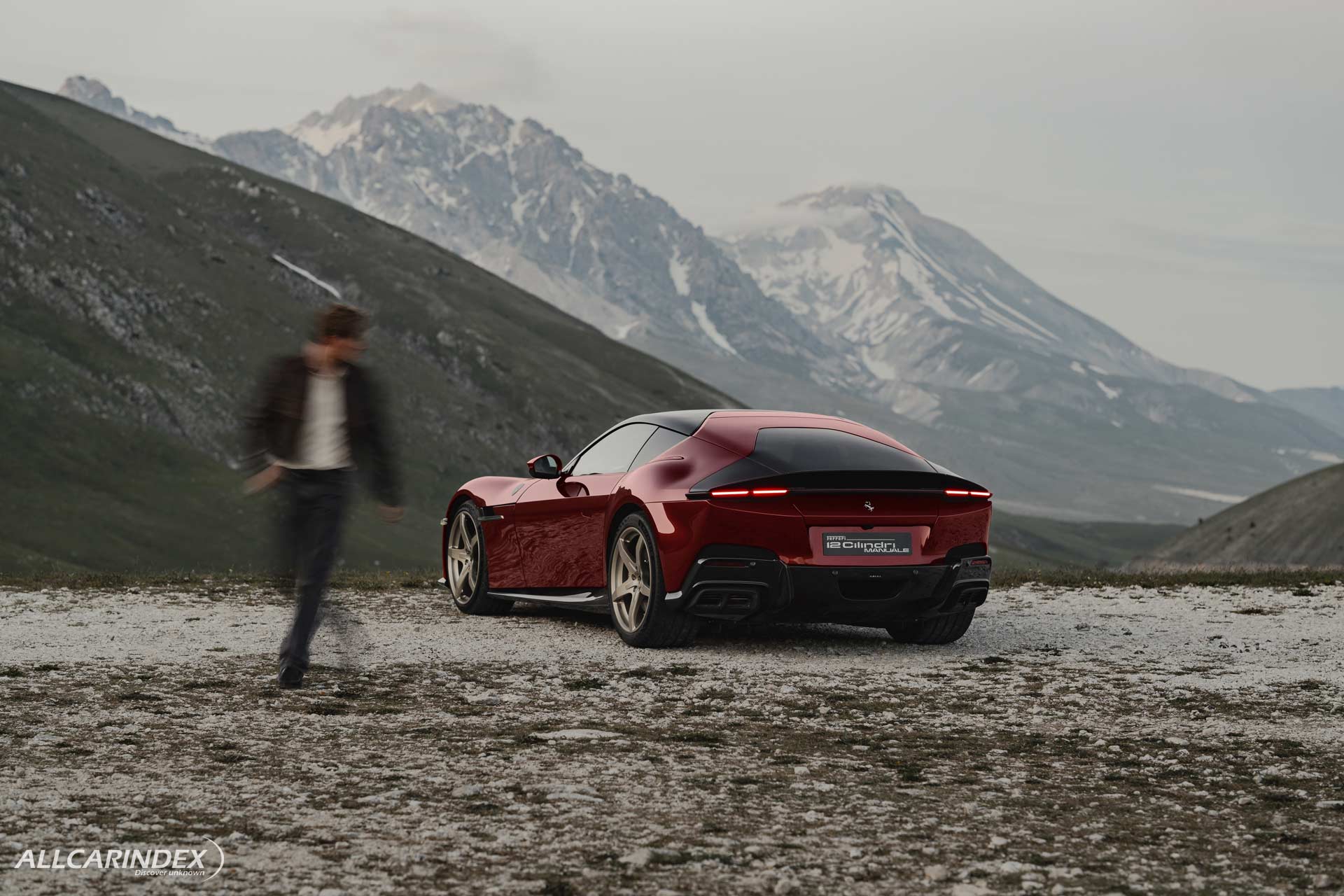
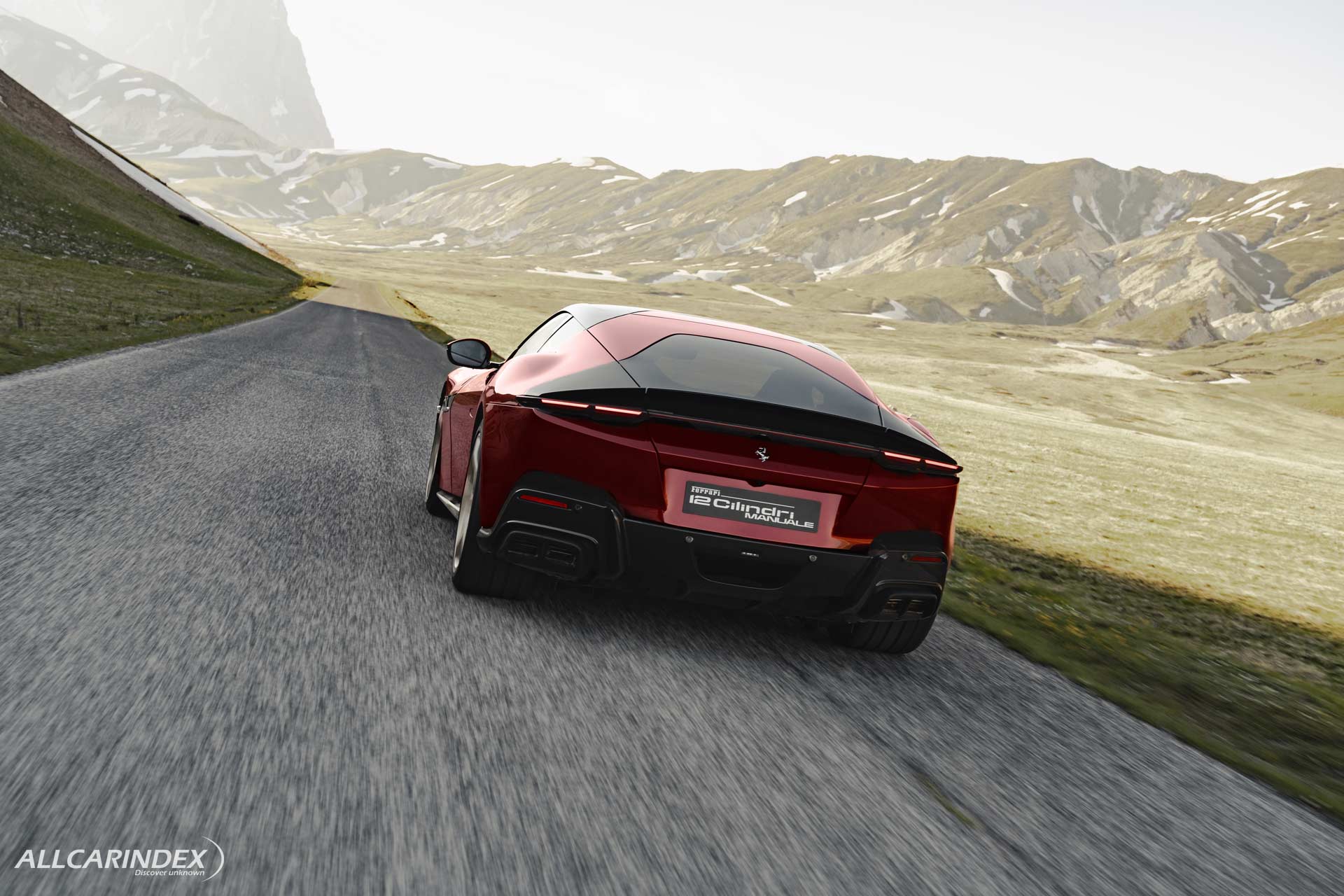



For many years, the idea of a front-engined Ferrari V12 with a manual gear lever belonged to a very specific chapter of the marque’s history. It was a world of long bonnets, two seats, naturally aspirated engines and a driving rhythm built around the physical act of selecting each gear. The Ferrari 12Cilindri Manuale brings that theme back, but not by returning to an old mechanical layout. Instead, it introduces a new system created in Maranello to reproduce the feel and discipline of a manual gearbox while working with Ferrari’s modern dual-clutch transmission.
The car is a limited-edition special series based on the Ferrari 12Cilindri. It will be produced in 1,499 units, a number chosen as a reference to the displacement of Ferrari’s first twelve-cylinder engine from 1947. The model is aimed at owners who remain close to the tradition of front-engined V12 two-seat berlinettas and want a more physical layer added to the driving experience.
At the centre of the car is Ferrari’s naturally aspirated V12. In the 12Cilindri Manuale, it is combined with a new Manuale by-wire system developed entirely in-house. The engine keeps the high-revving character of the 12Cilindri, with a rev range reaching 9,500 rpm, while the new control architecture changes the way the driver interacts with the powertrain.
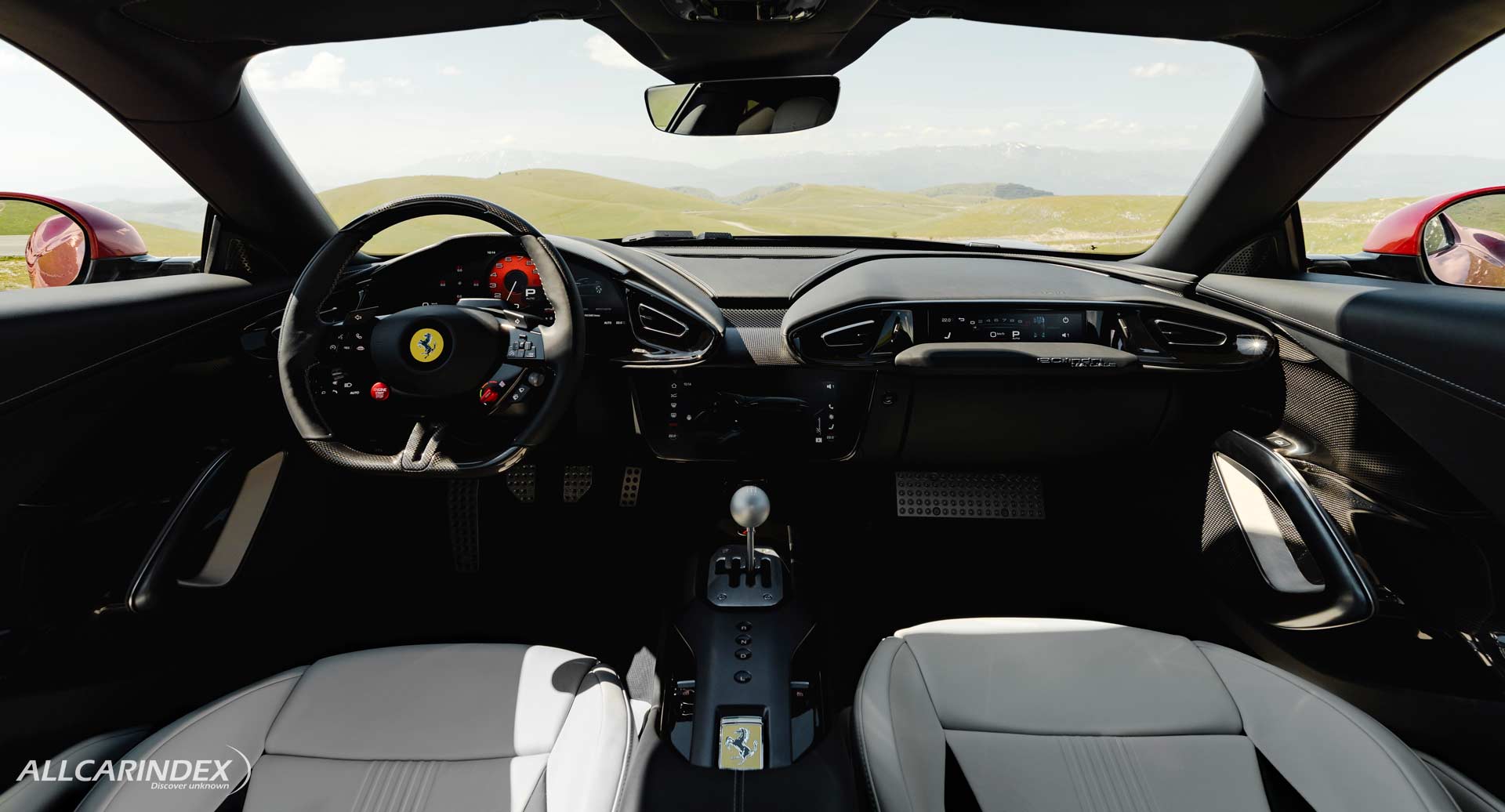
This is not a traditional manual gearbox in the old sense. Ferrari has retained the 8-speed DCT, but has added a manual command system with a gear lever and a clutch-by-wire pedal. The first six gears and reverse can be controlled manually, while automatic mode remains available. In this arrangement, the driver can choose between direct involvement and the convenience of the dual-clutch transmission.
The Manuale by-wire system turns the movement of the lever and clutch pedal into electronic signals, but Ferrari has developed the mechanism to preserve the loads, clicks and feedback associated with a manual change. The lever module uses sensors and kinematic mechanisms designed to reproduce the feeling of synchronisation, engagement and disengagement. If the clutch is not depressed, or if an incorrect gear is selected, the system can mechanically prevent engagement.
The module itself is compact and machined from solid blocks, with a weight of less than 3.5 kg. Ferrari has also worked on the sound produced by the mechanism, treating the acoustic character of the shift as part of the overall experience. In a car like this, such details matter, because the gear change is not only a function. It becomes a repeated physical action between driver and machine.
The clutch pedal is also central to the concept. It is not mechanically linked to the gearbox in the classic way, but it has been engineered to behave with a familiar load and travel curve. A sensor reads the driver’s input across the full pedal range, then the system manages hydraulic actuation of the DCT clutch. Correct timing gives a smooth shift. Poor coordination can make the change less clean, including the possibility of a jerk or stall. That behaviour is part of the intended link with traditional manual driving.
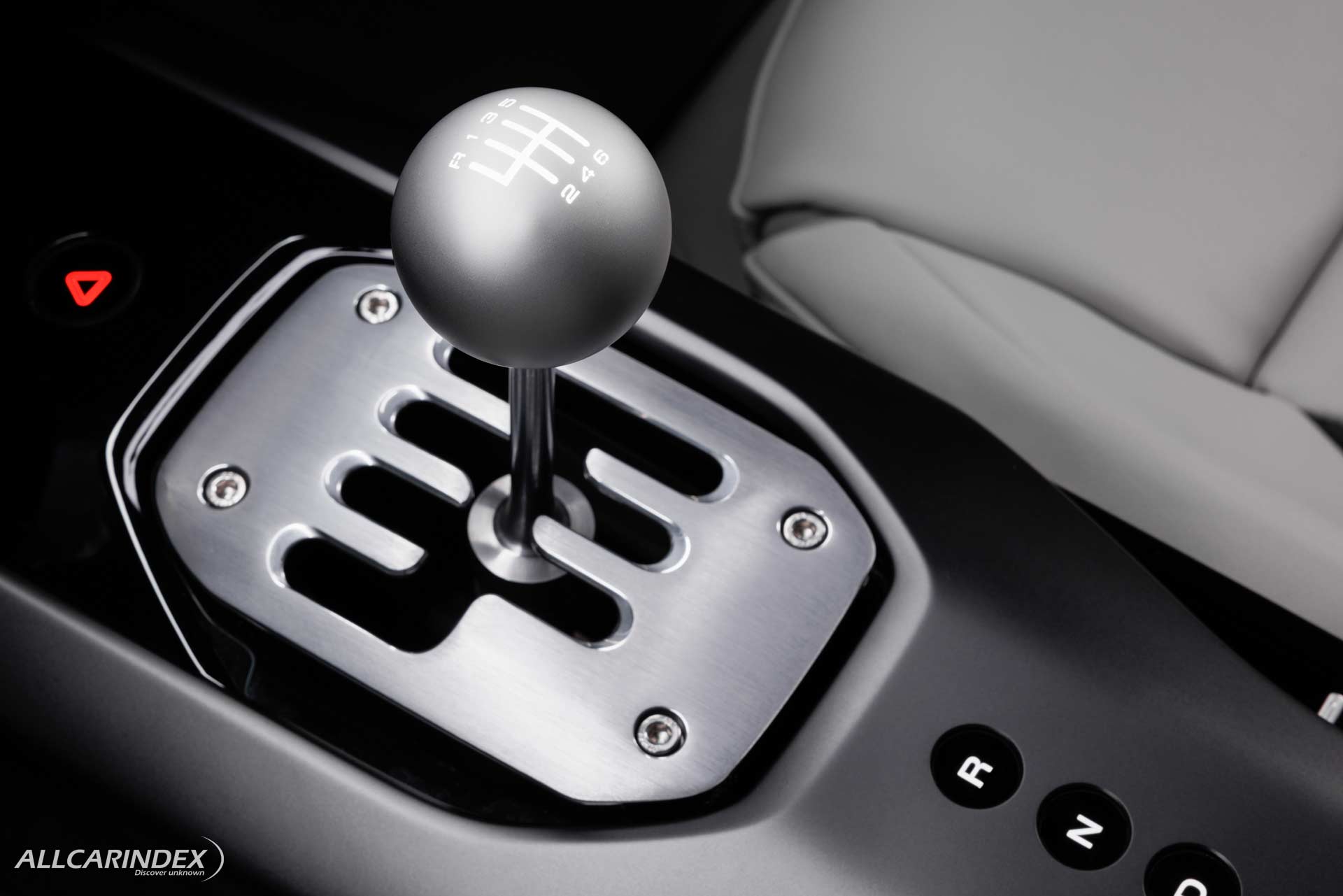
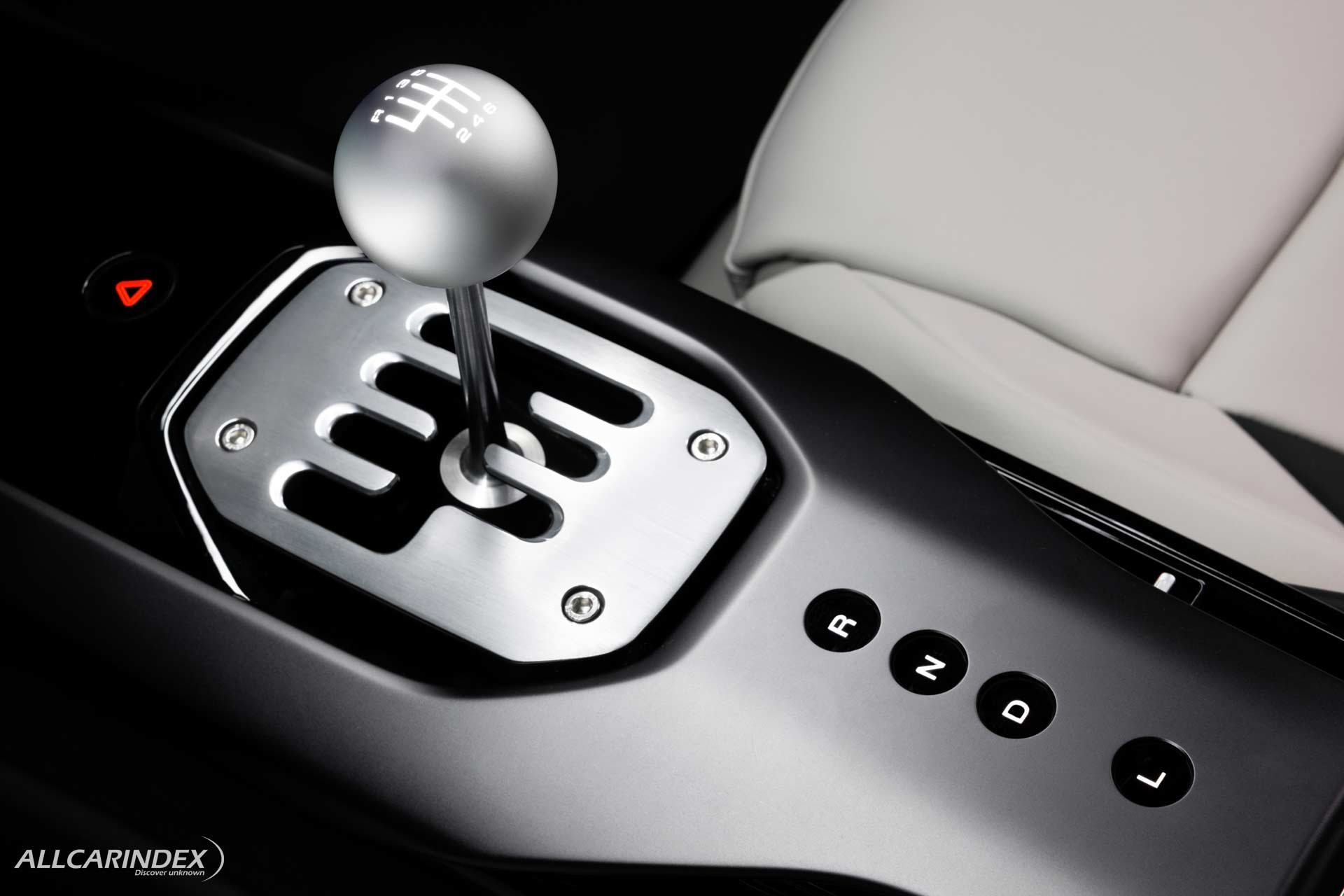
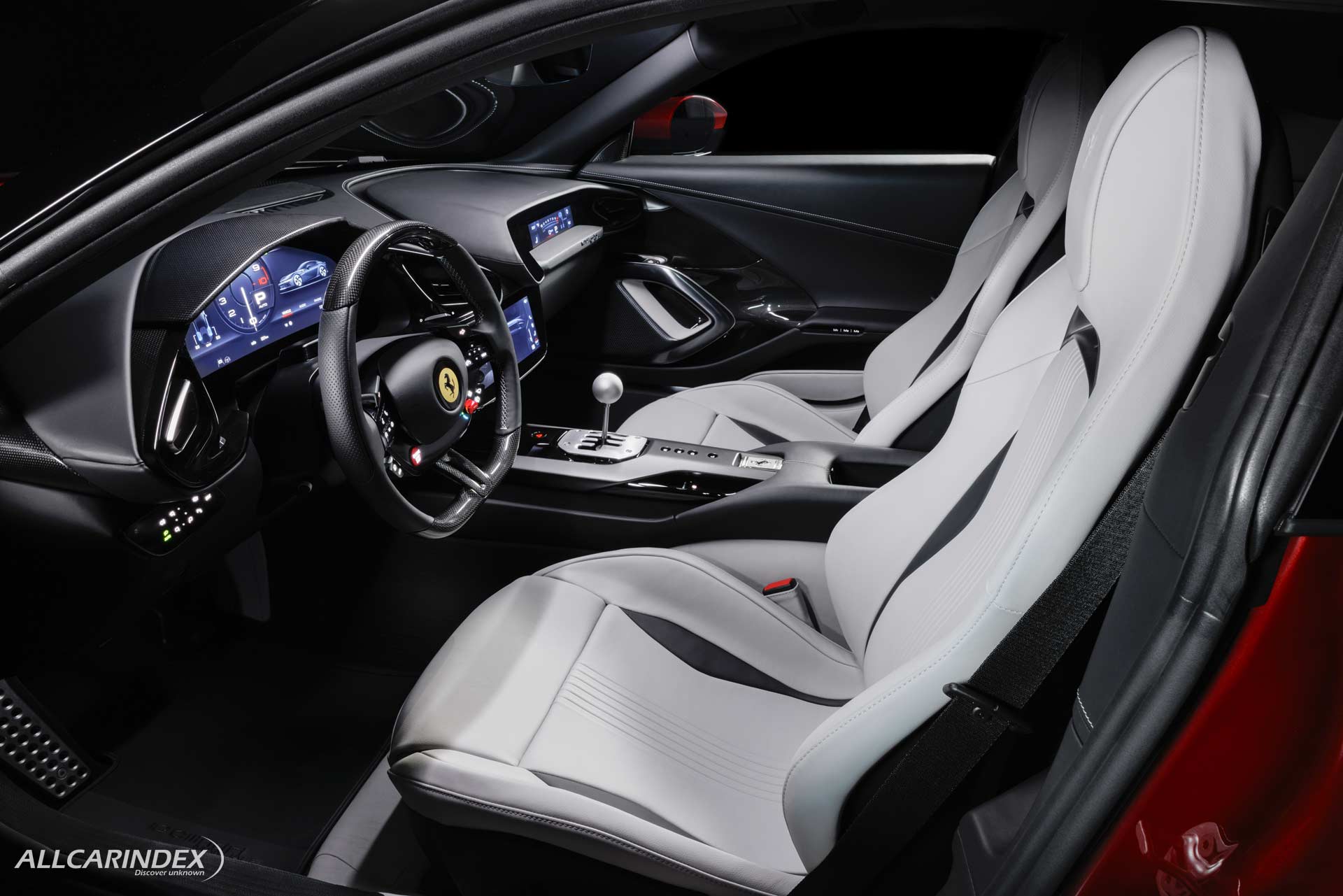
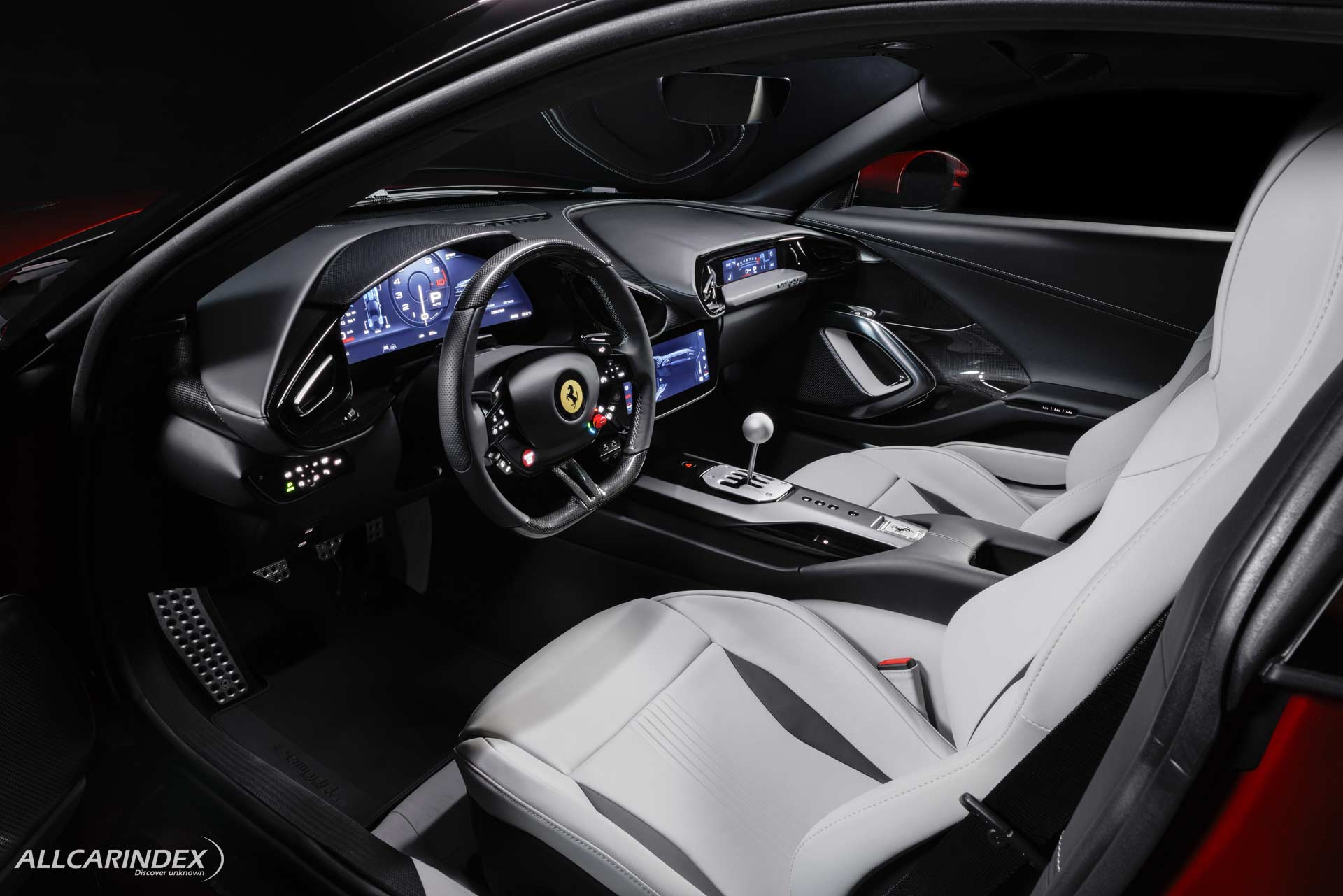
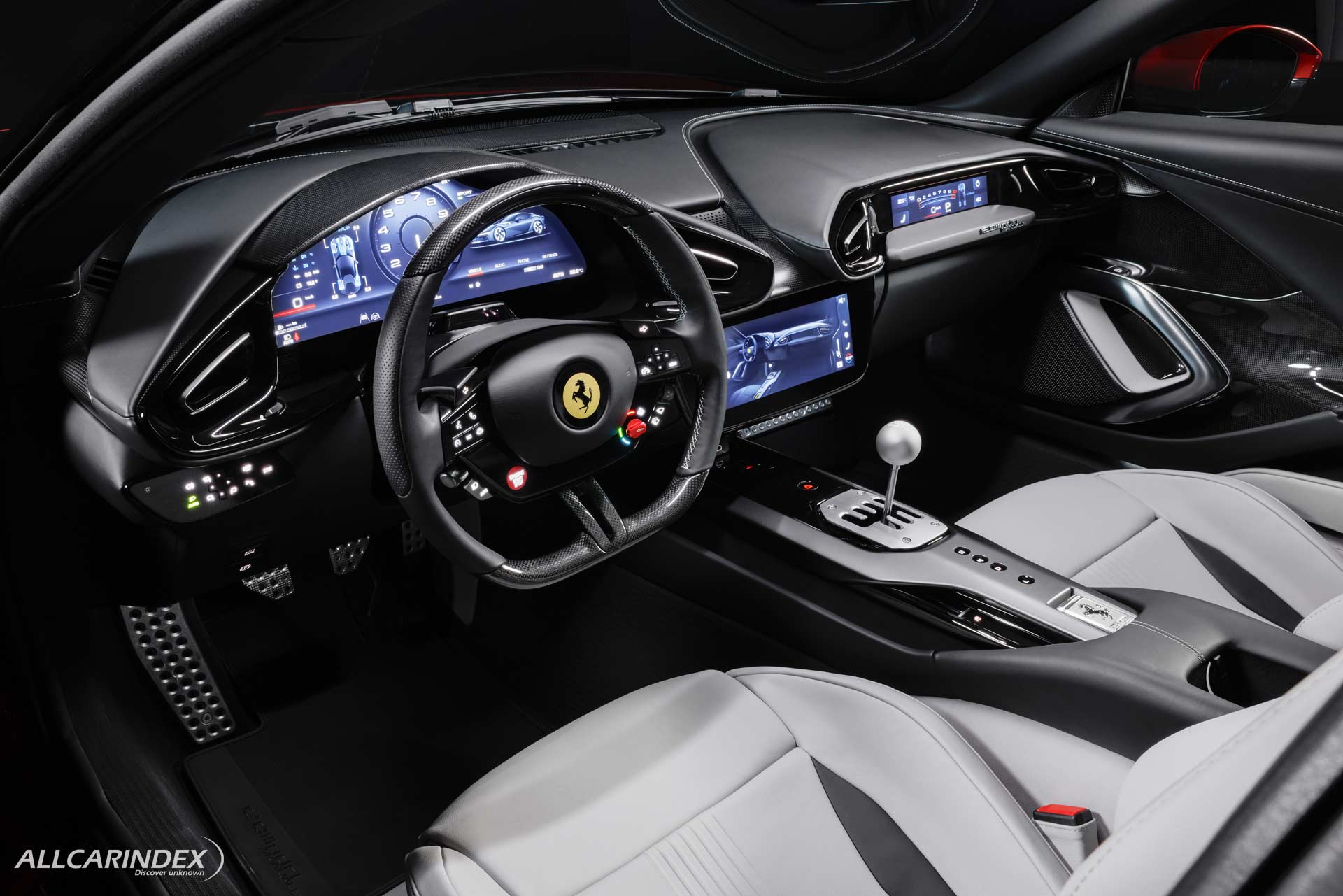
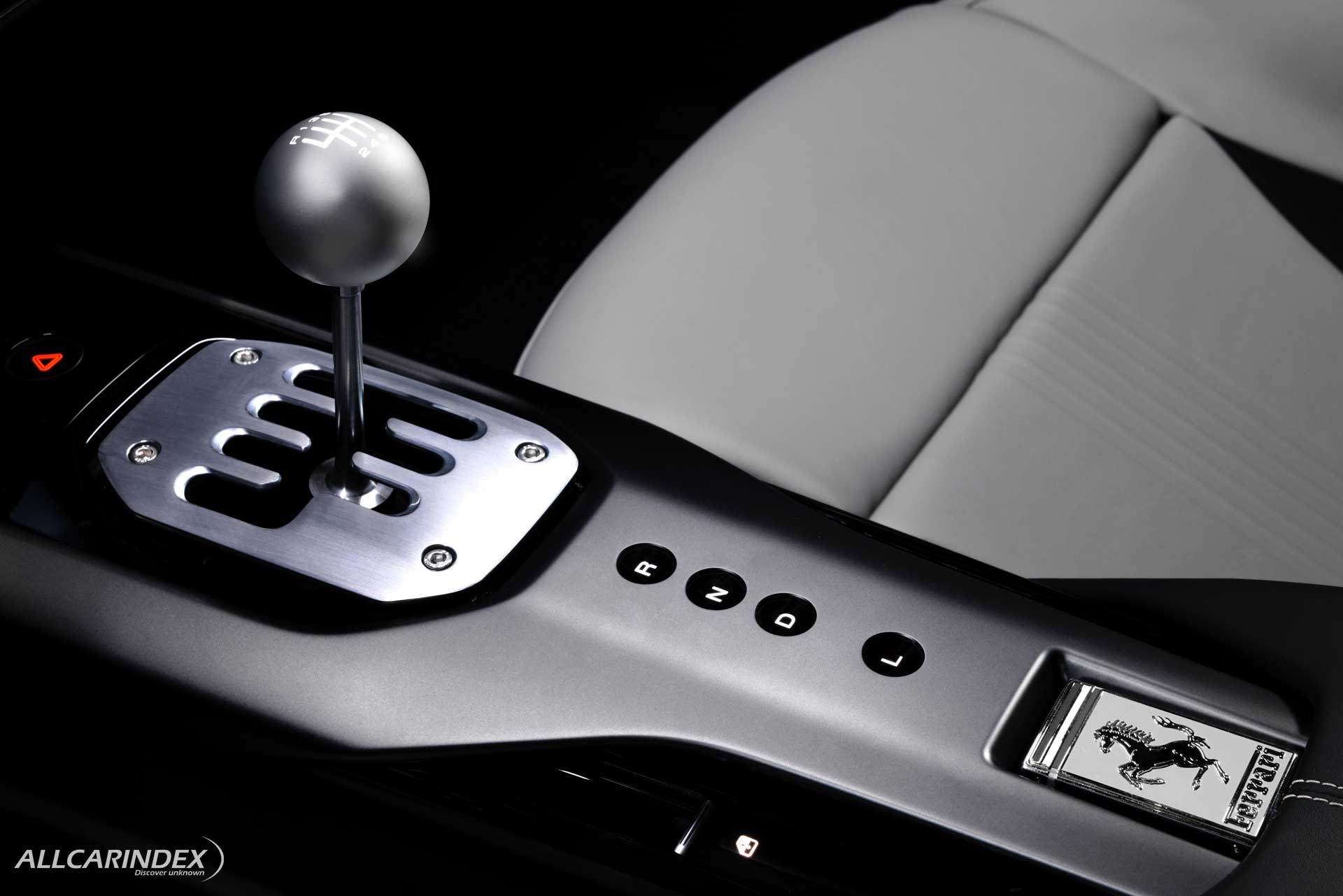
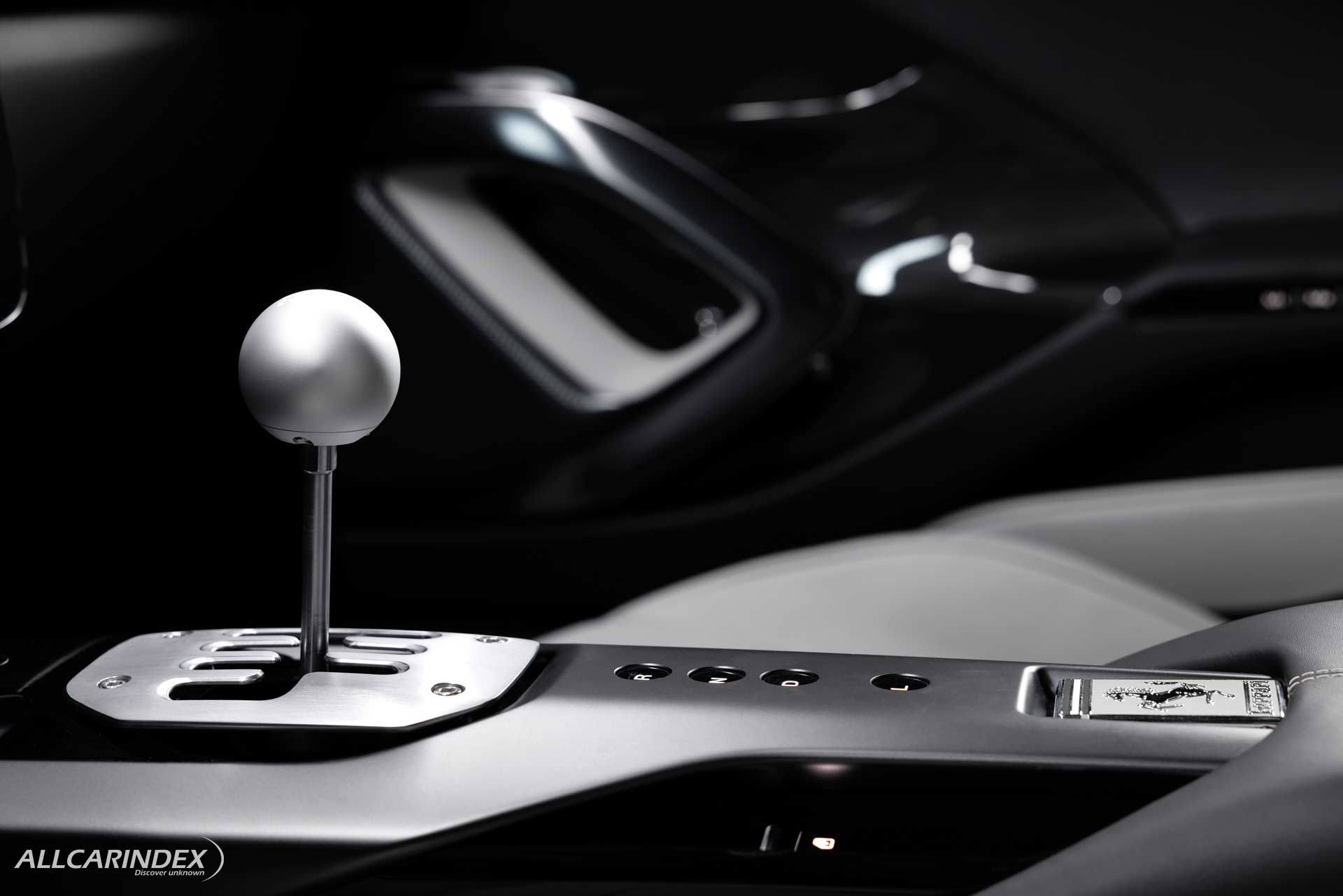
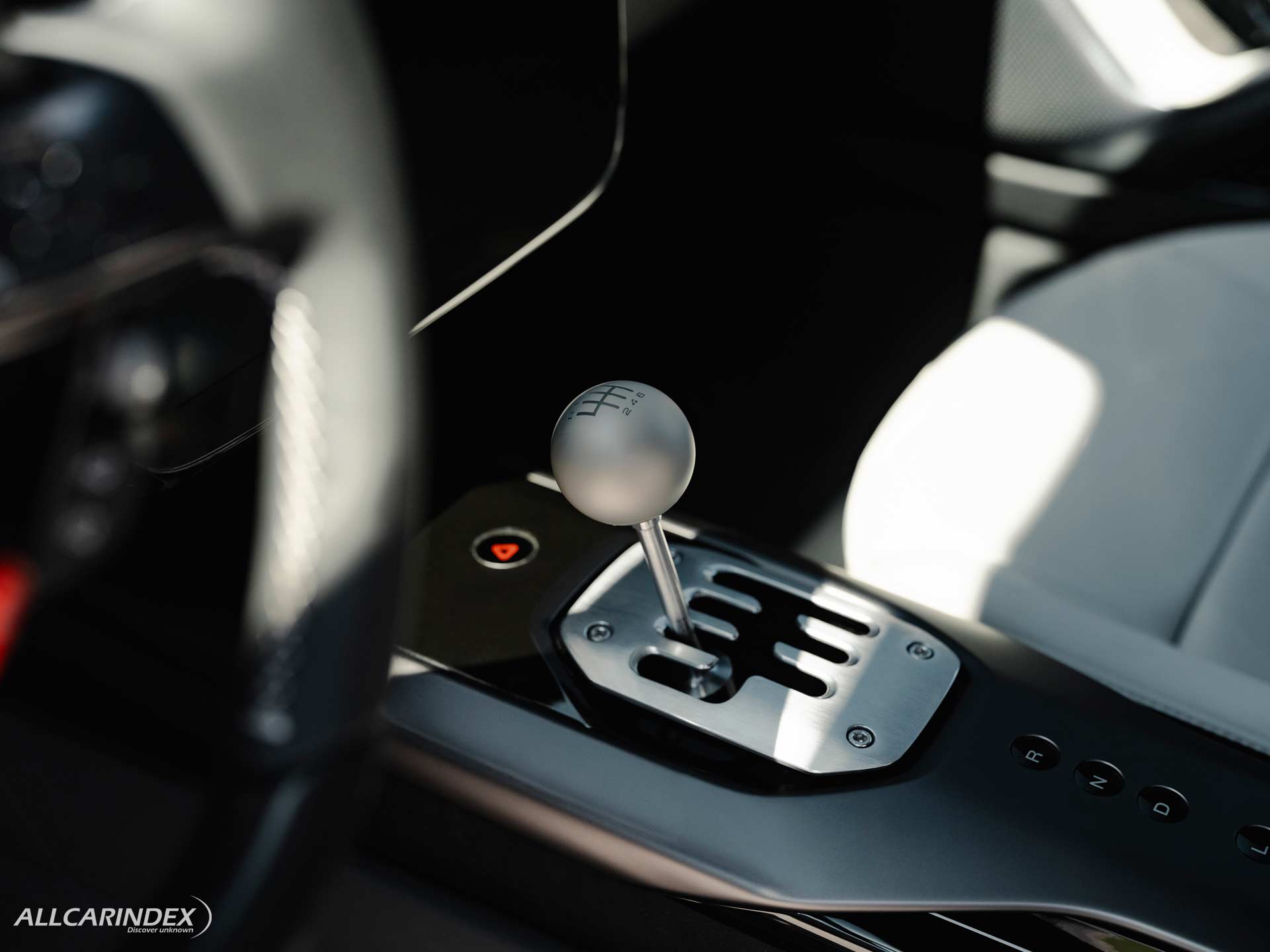
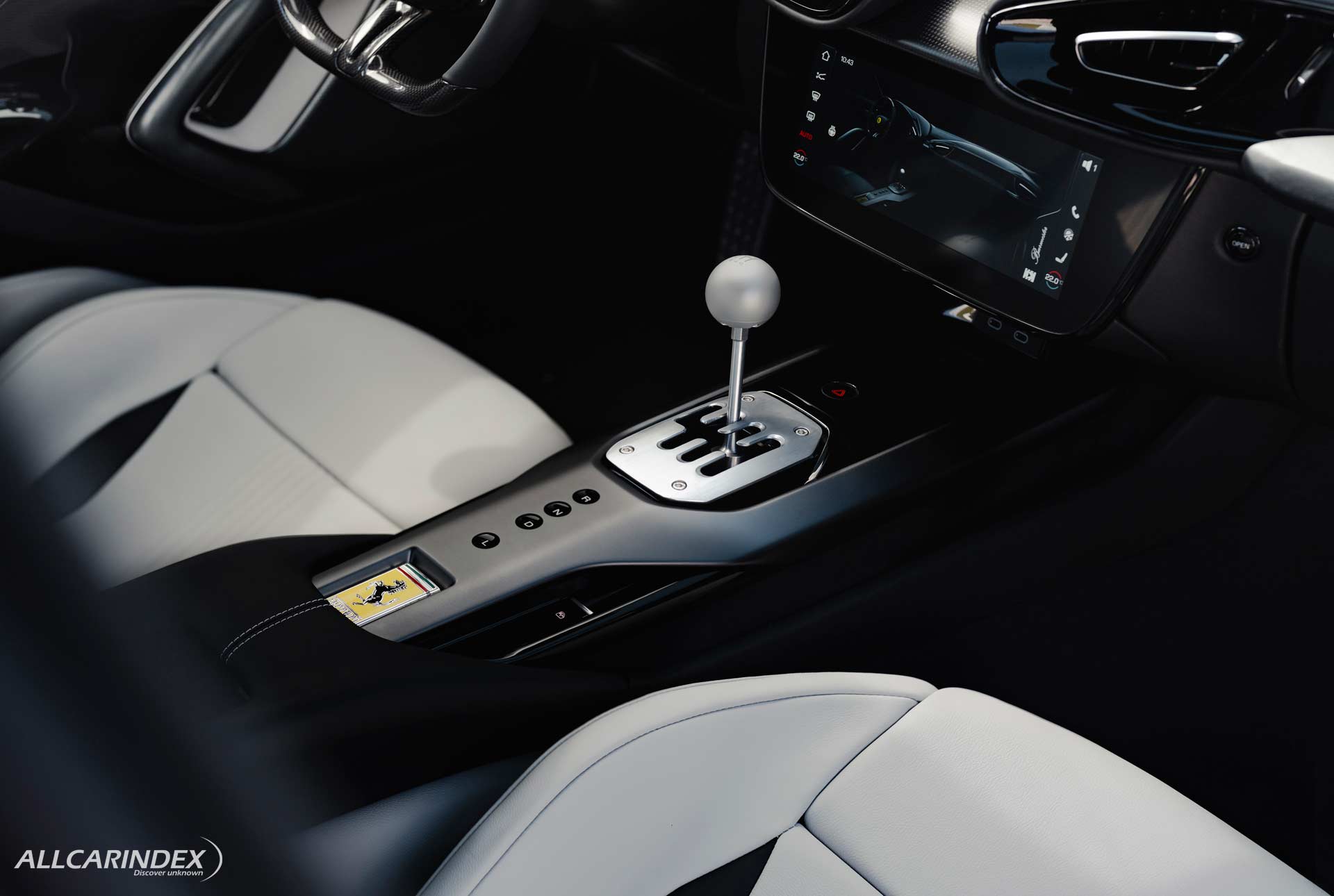
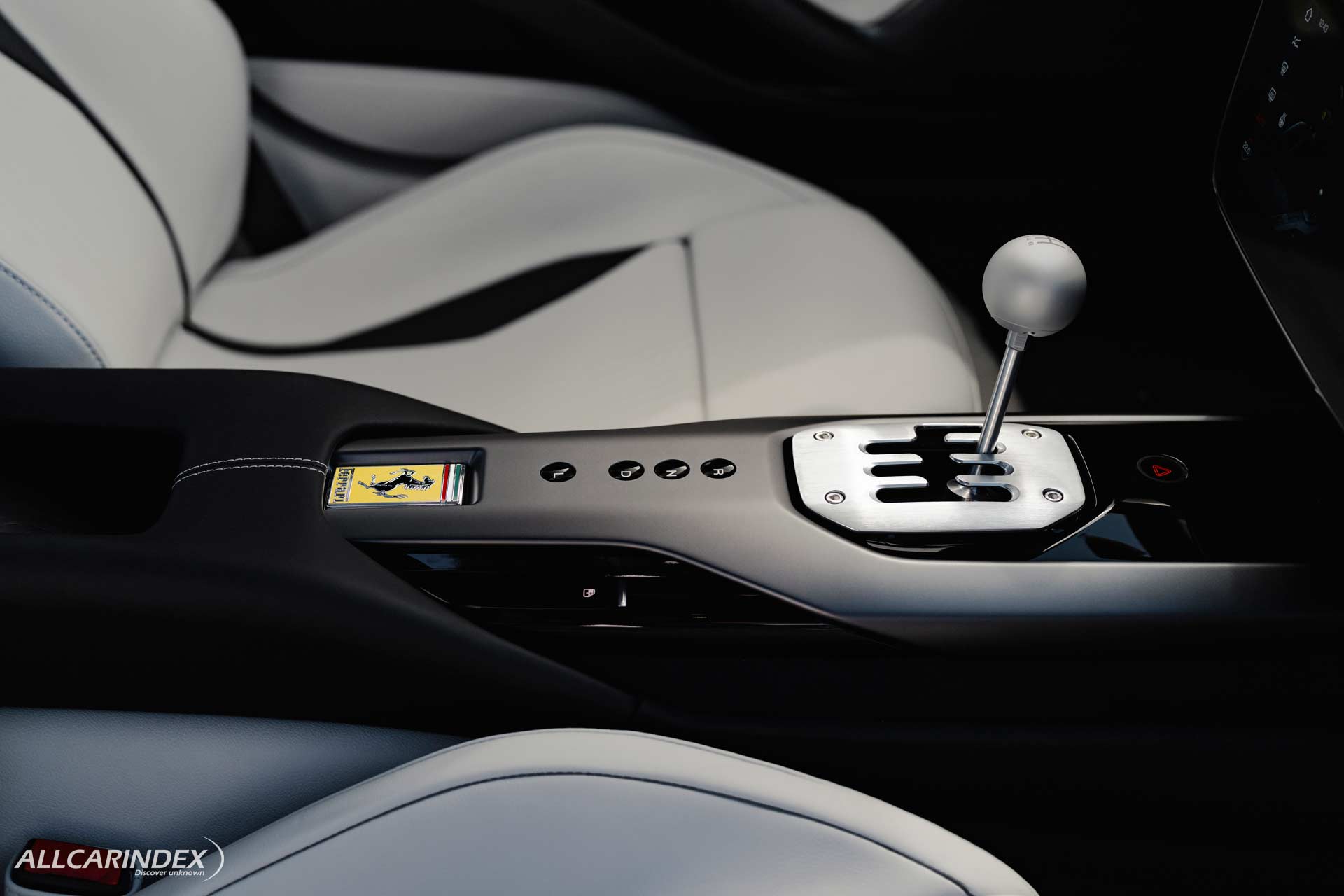
The cabin of the 12Cilindri Manuale has been redesigned around this new control layout. The centre tunnel, gear lever, shift gate, knob and pedals reinterpret familiar Ferrari manual details through a modern interface. The gate follows a six-speed pattern, with reverse positioned at the top left. The round aluminium knob includes a backlit screen print showing the gears and the active driving mode.
The centre console has also been reworked for the new manual and automatic functions. The steel shift plate is combined with an anodised aluminium element shaped like a tuning fork, integrating the control panel and key housing. The pedal assembly is arranged to create a more focused relationship between the steering wheel, seat and driver inputs.
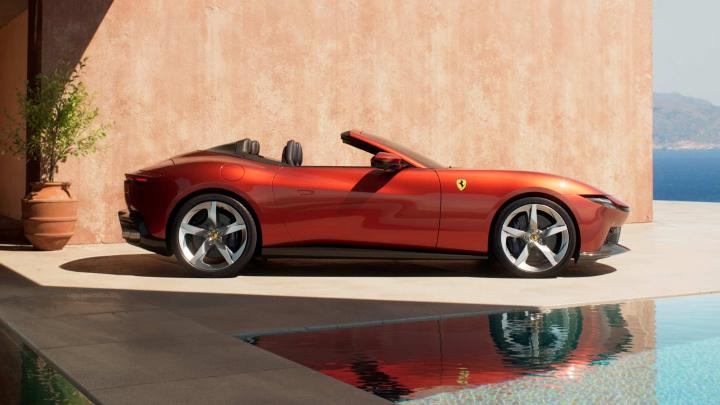
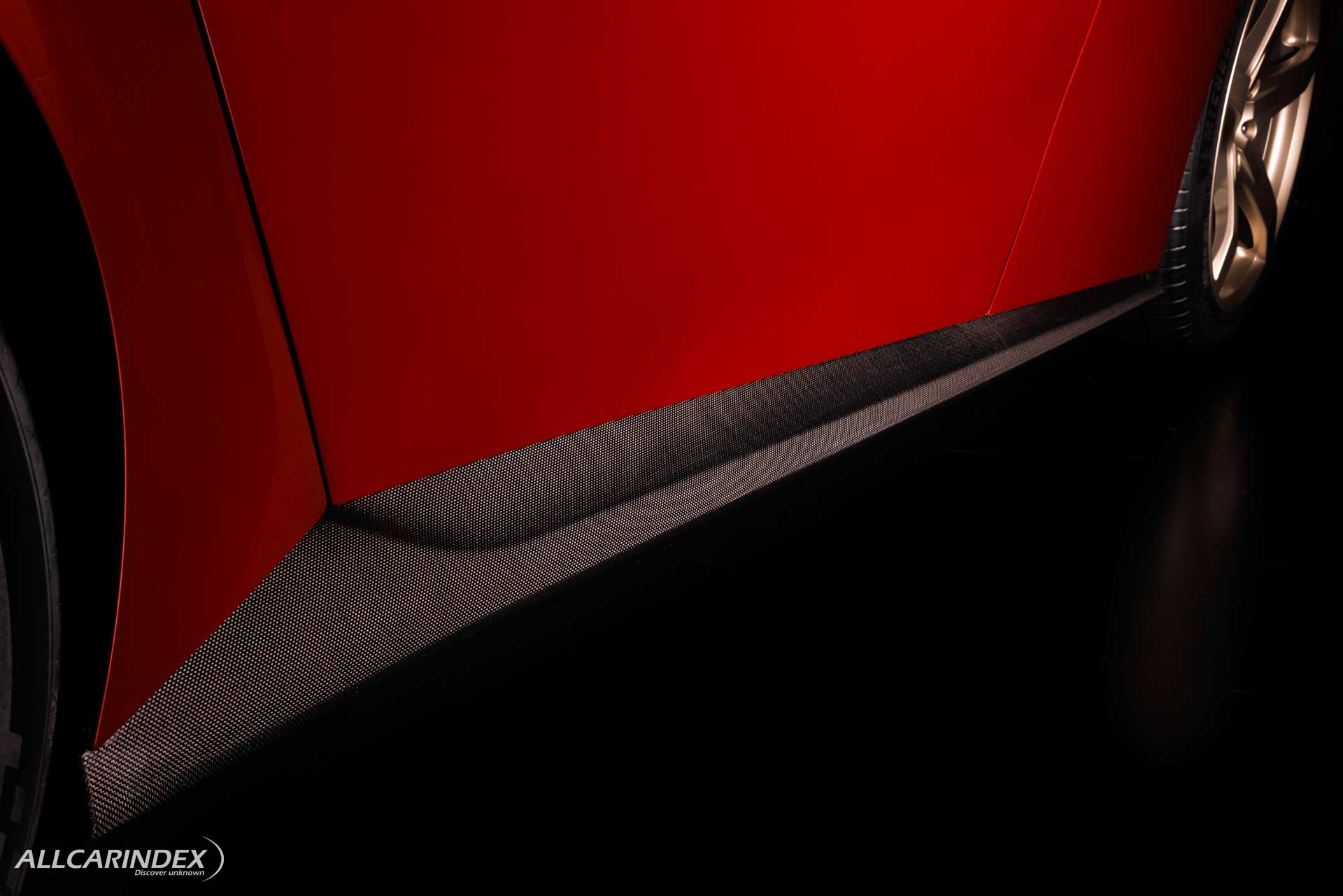
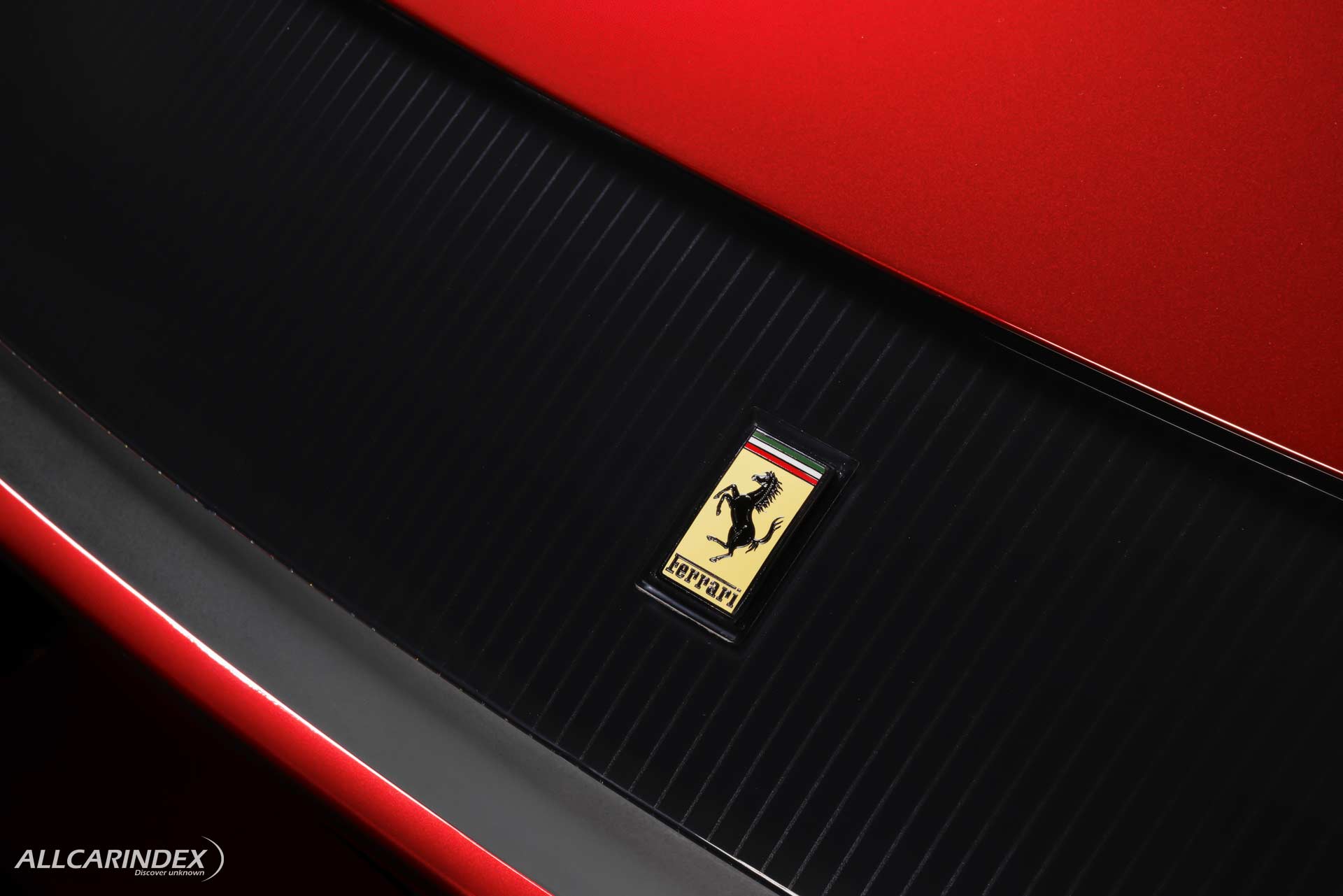
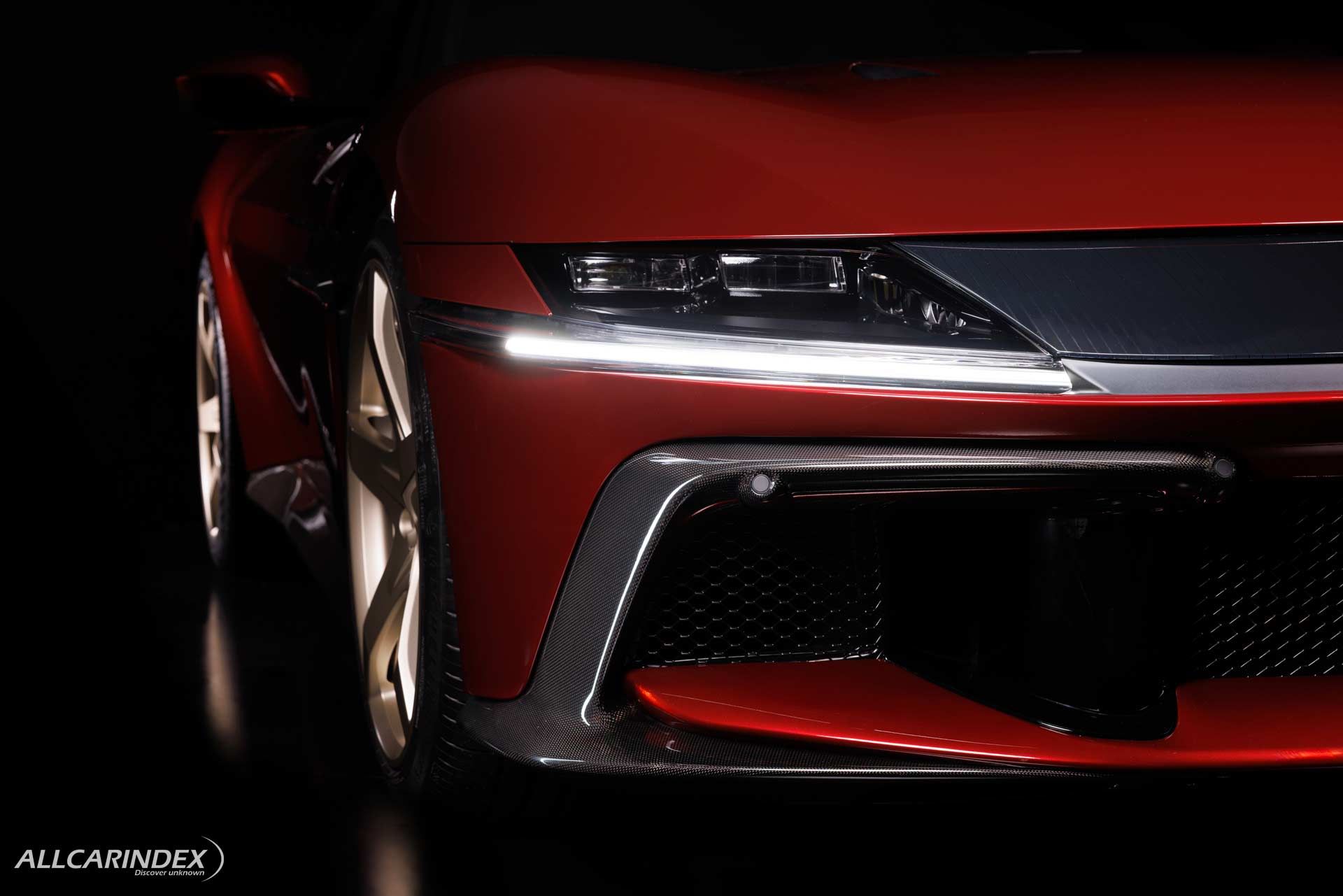
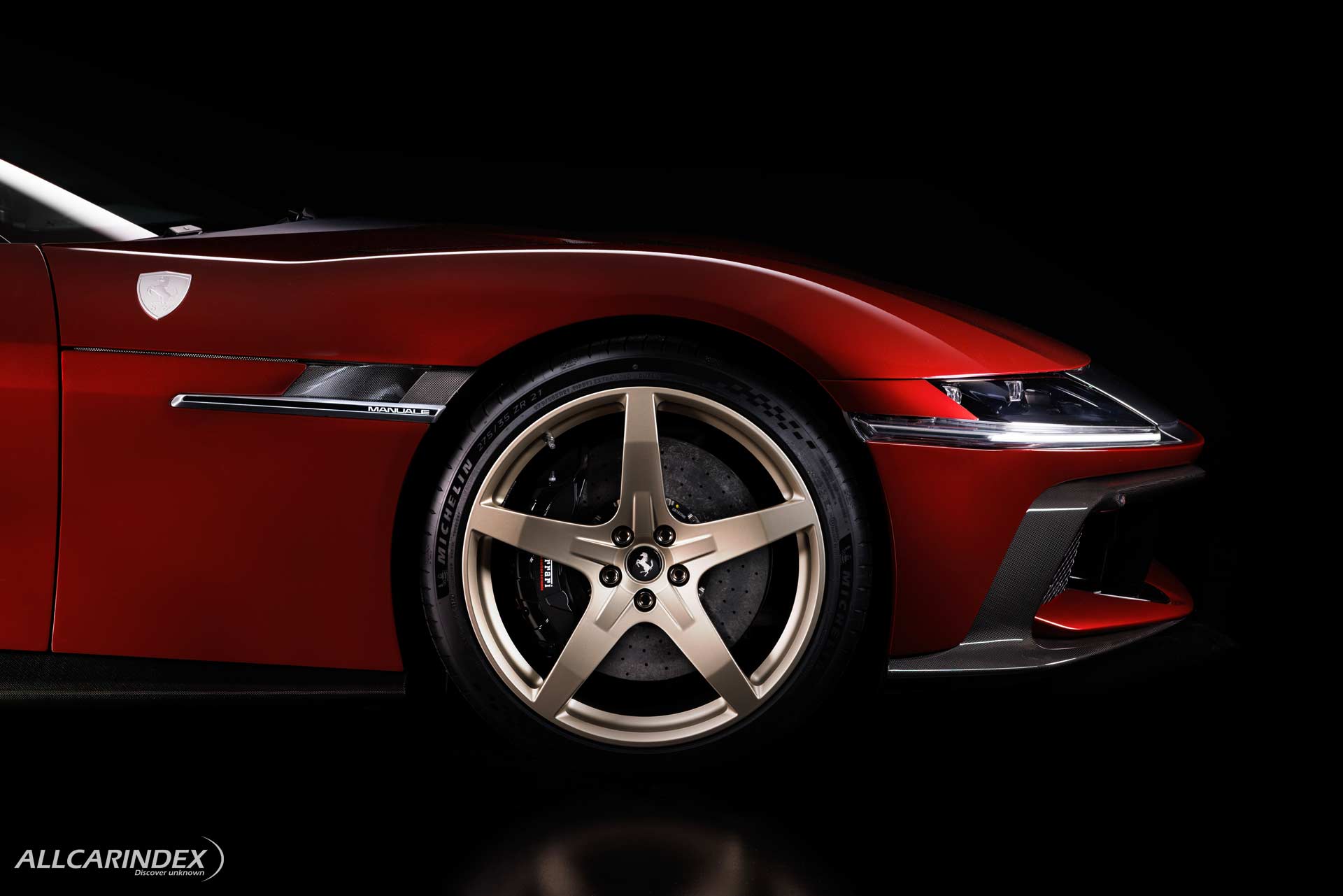
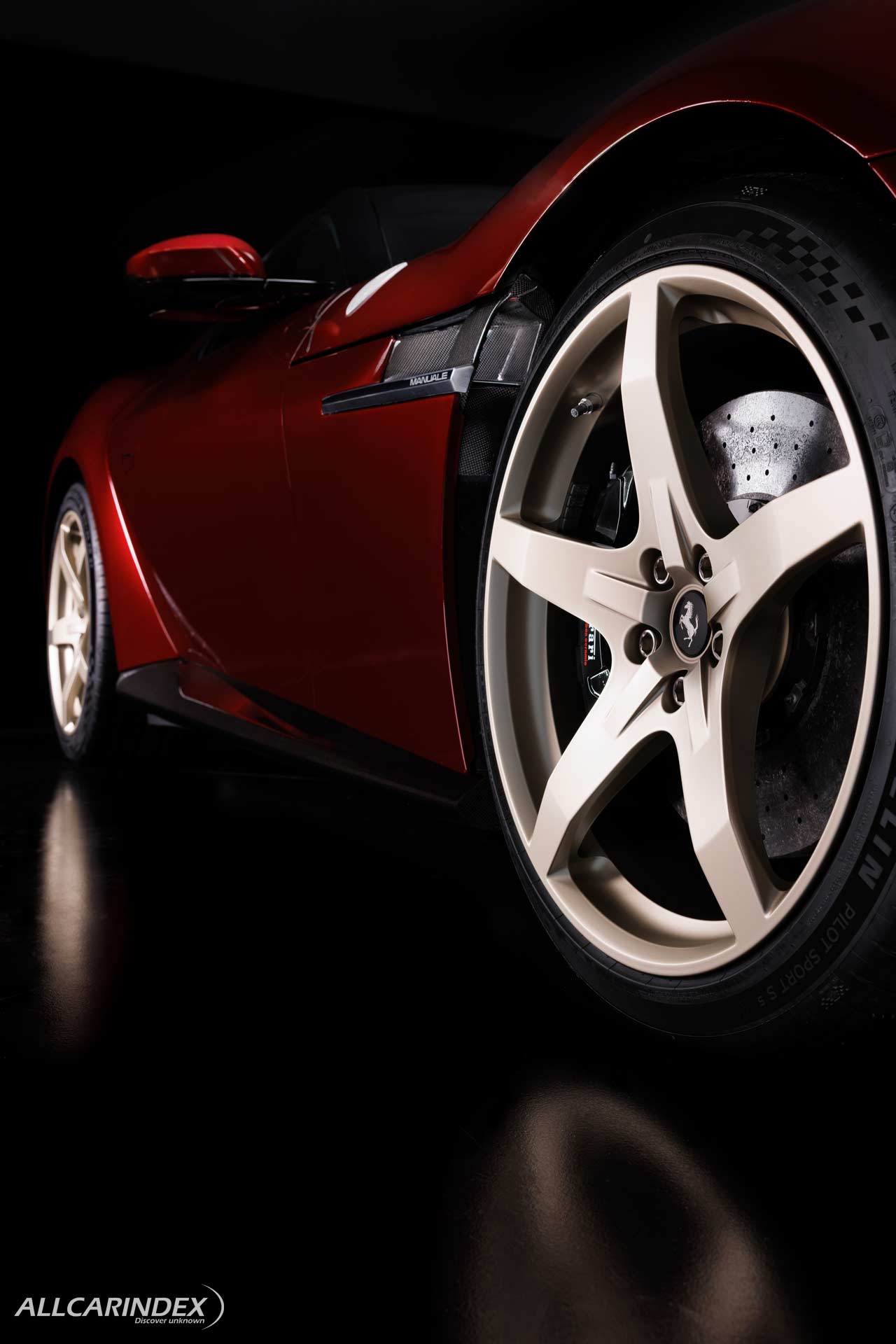
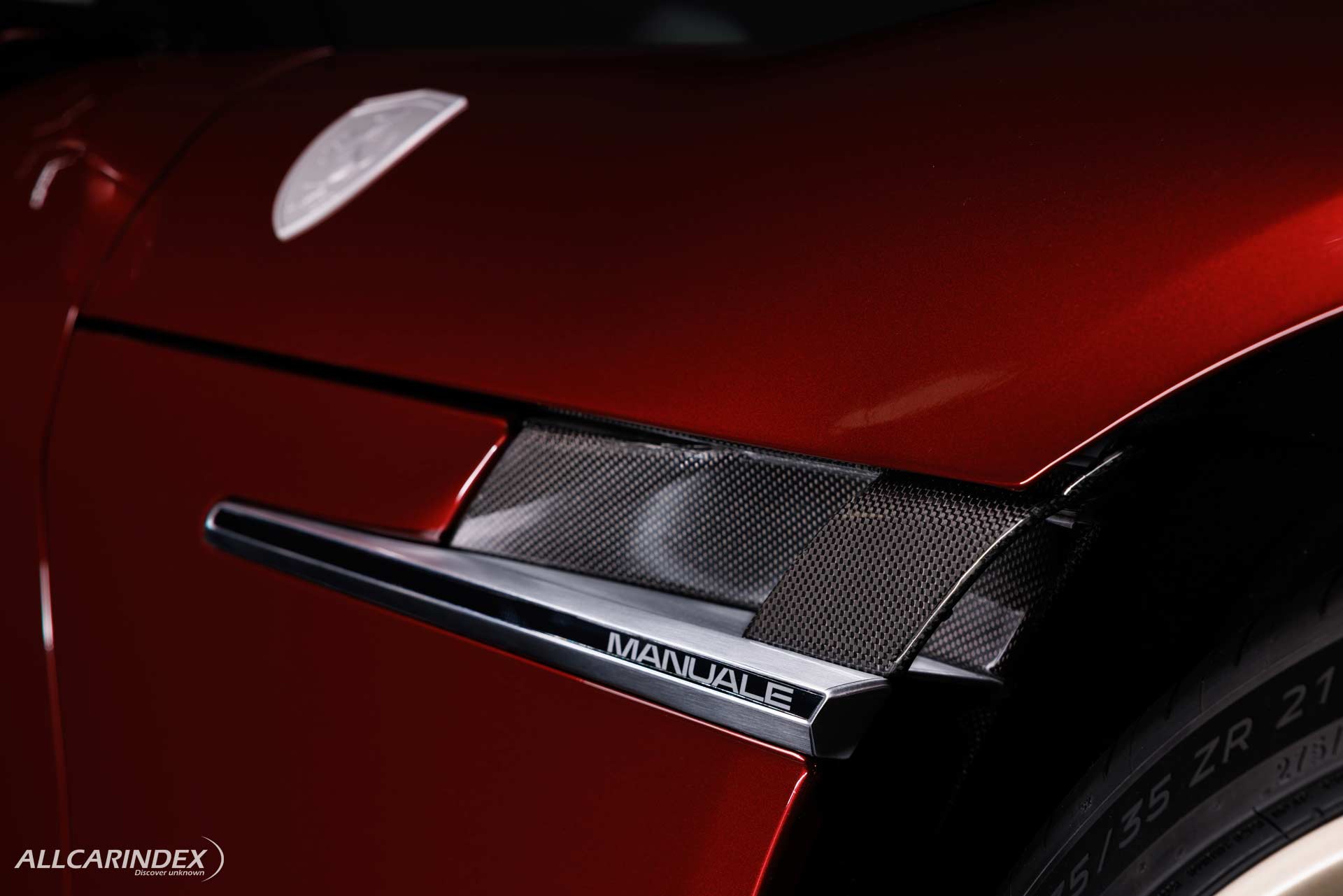
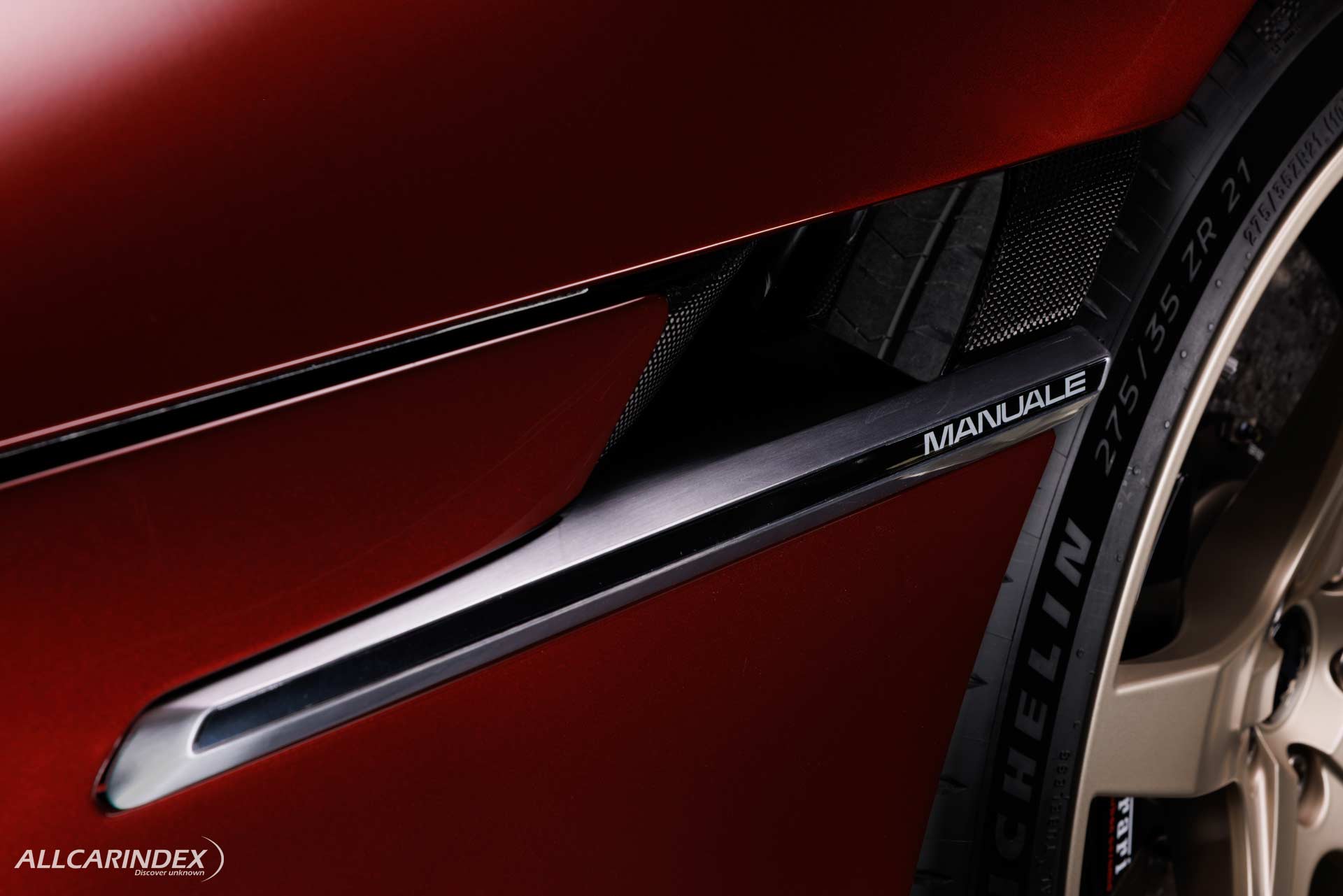
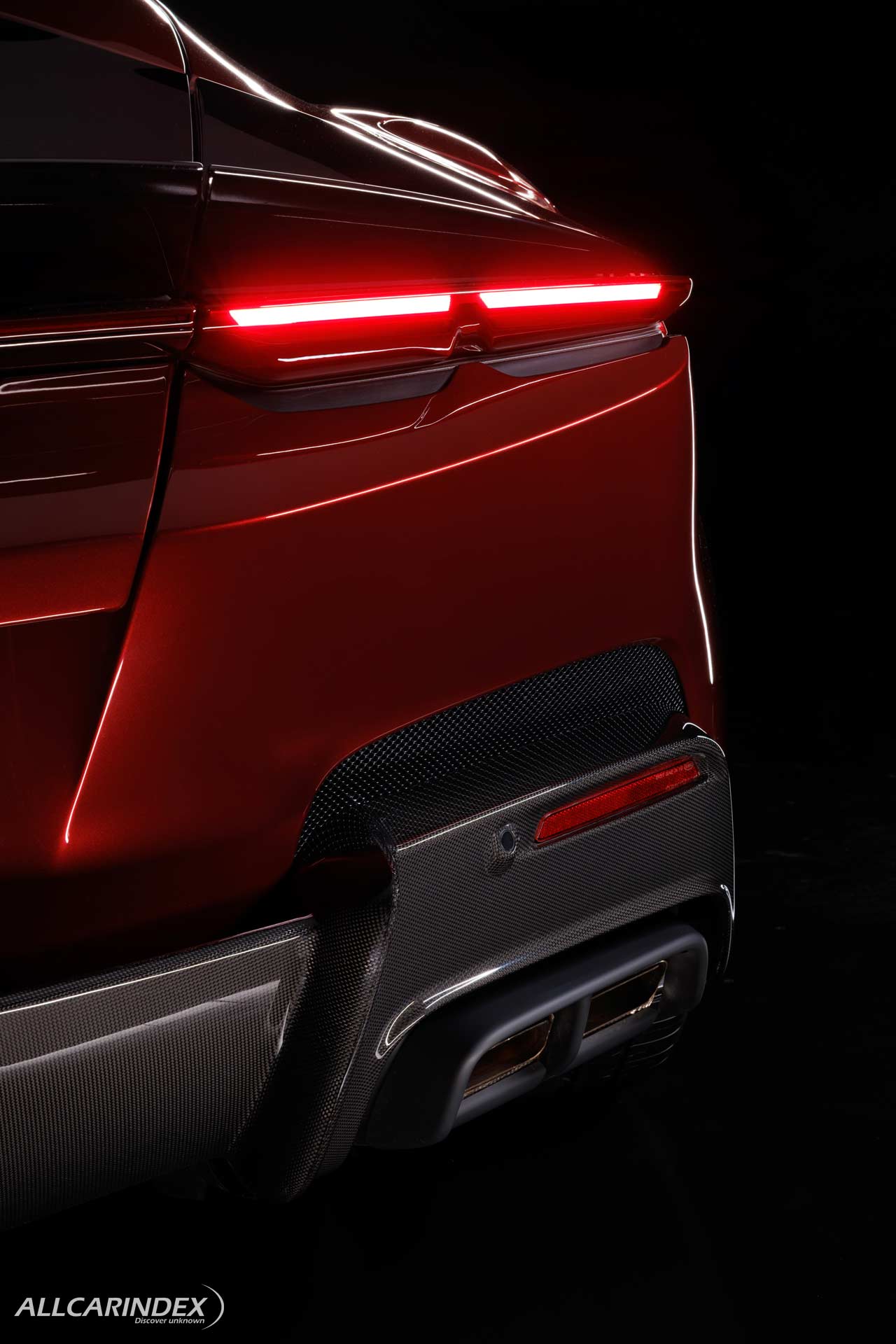
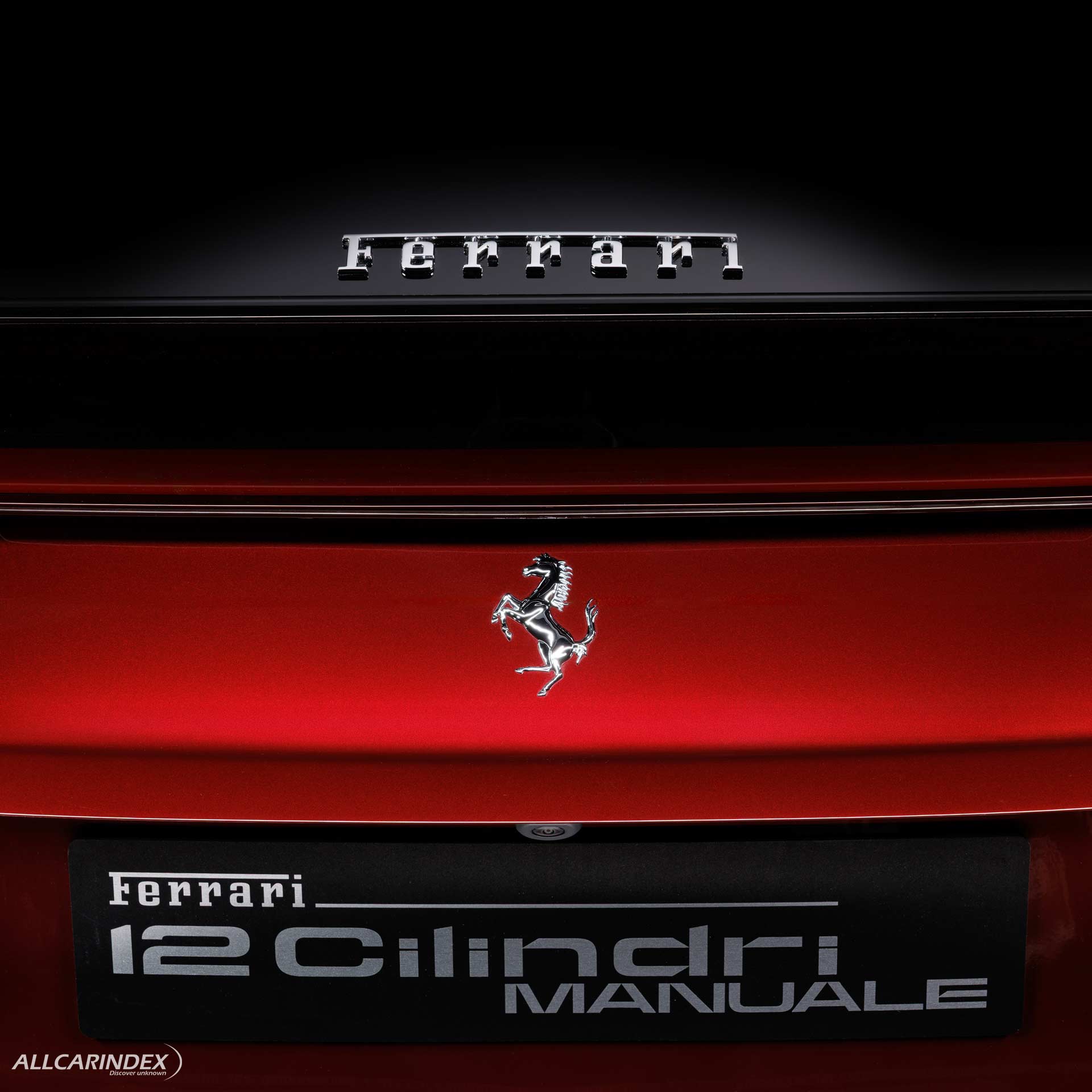
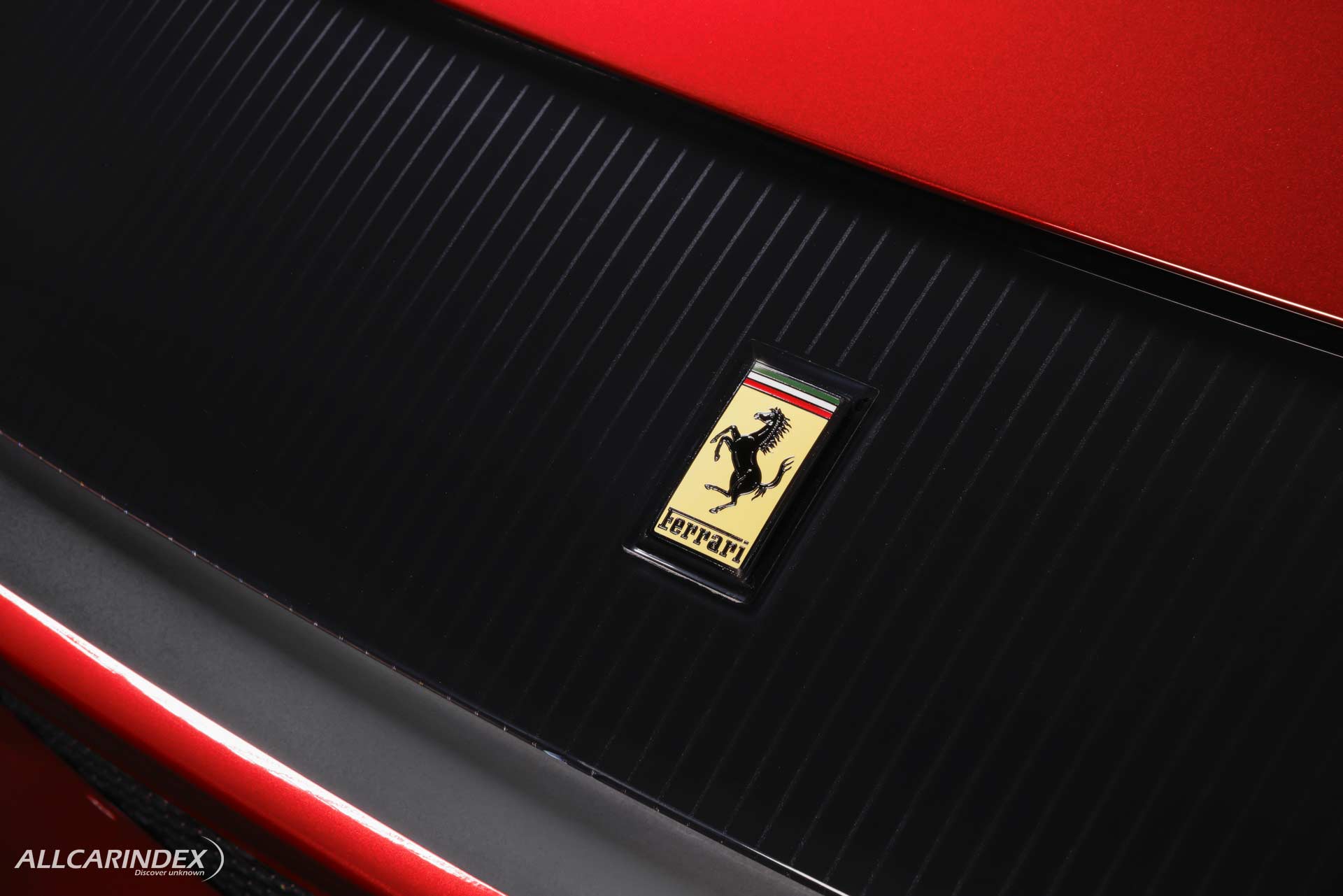
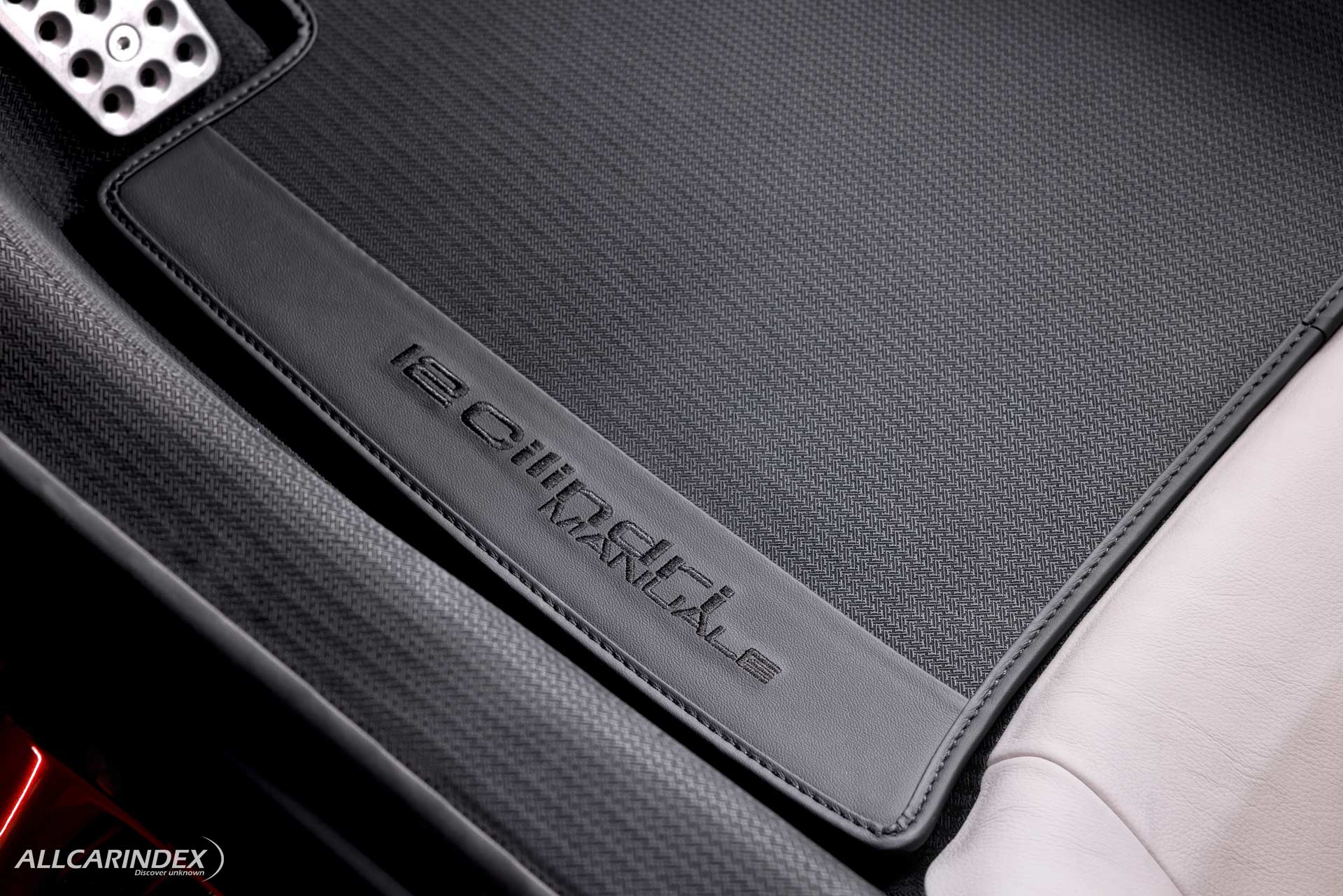
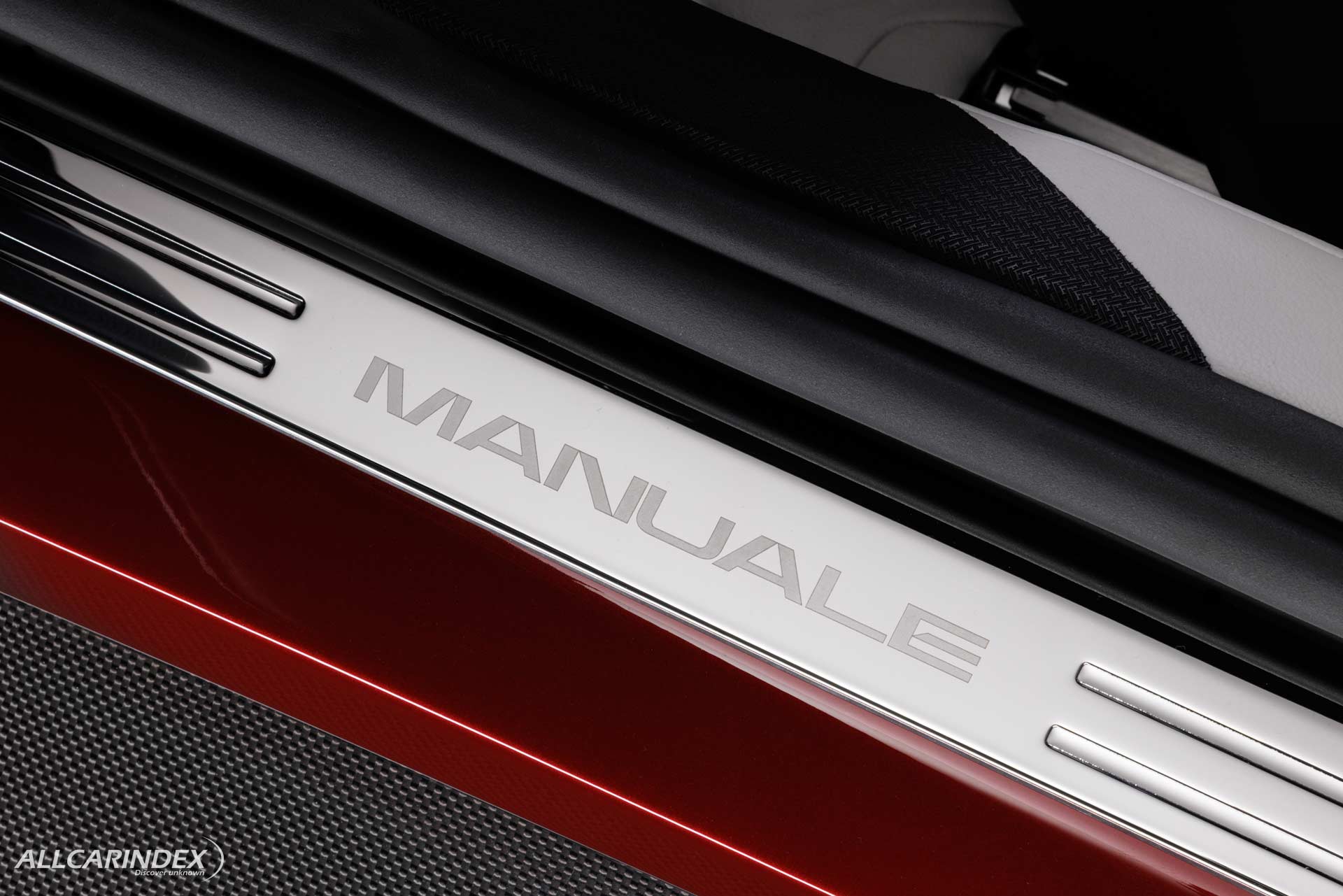
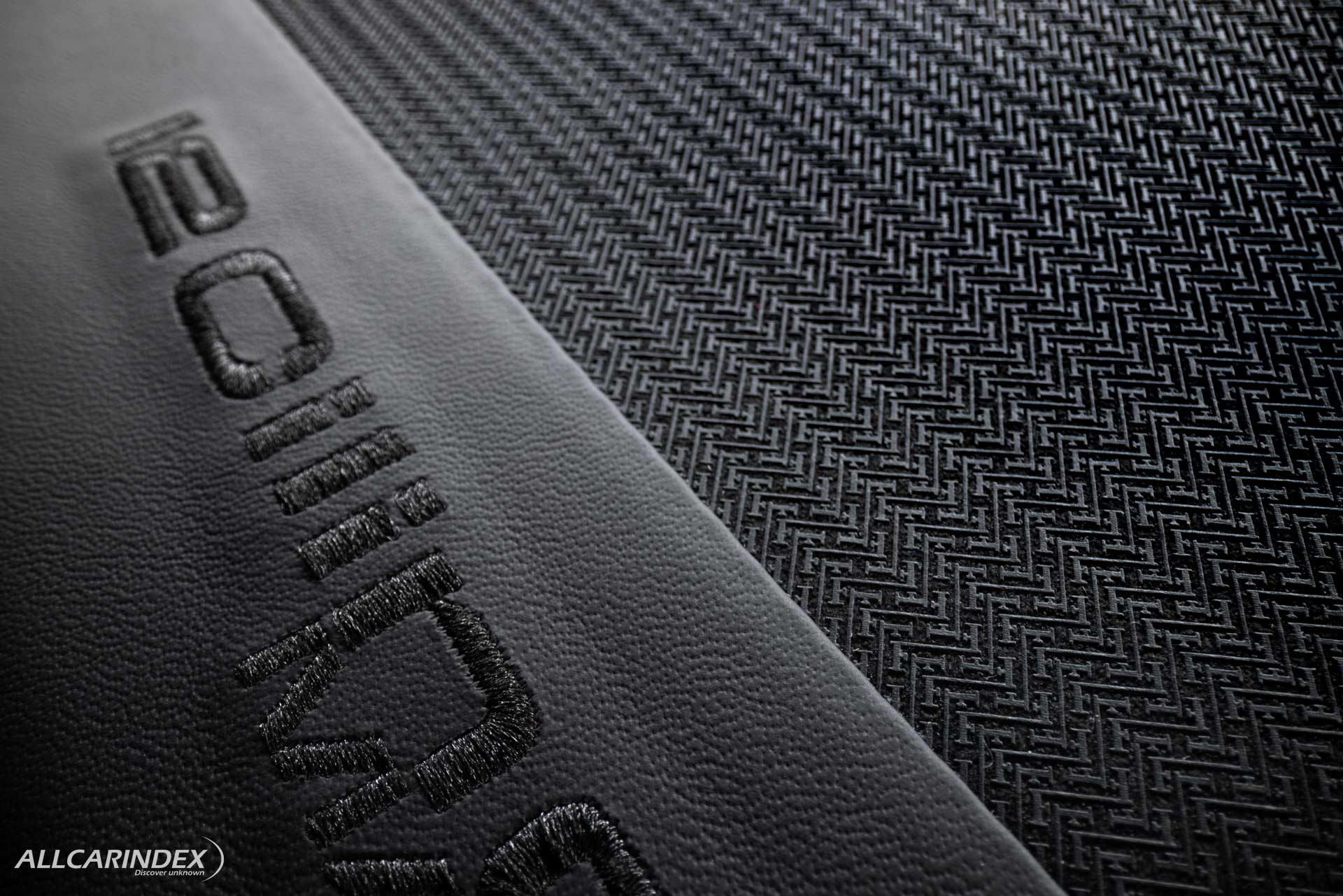
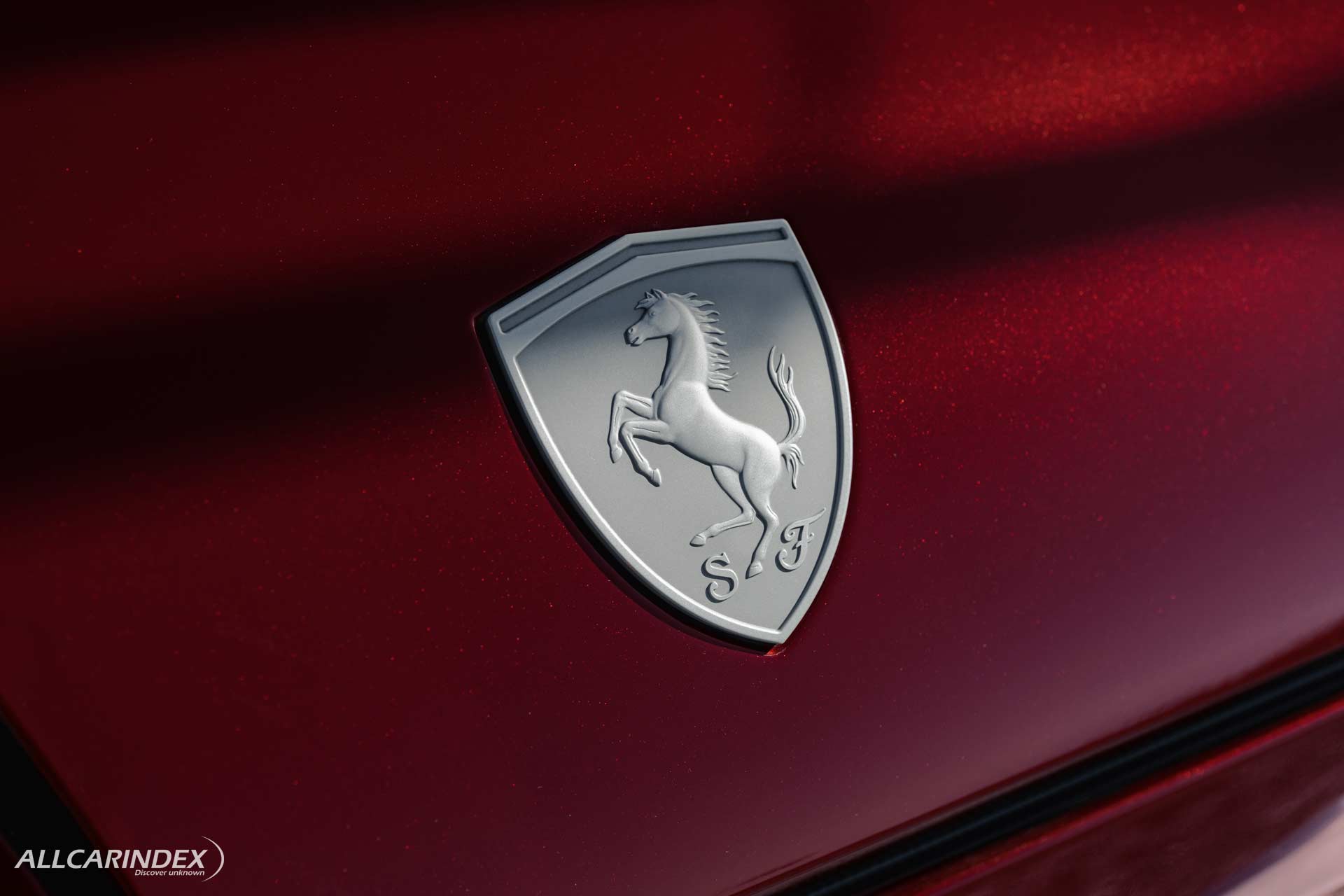
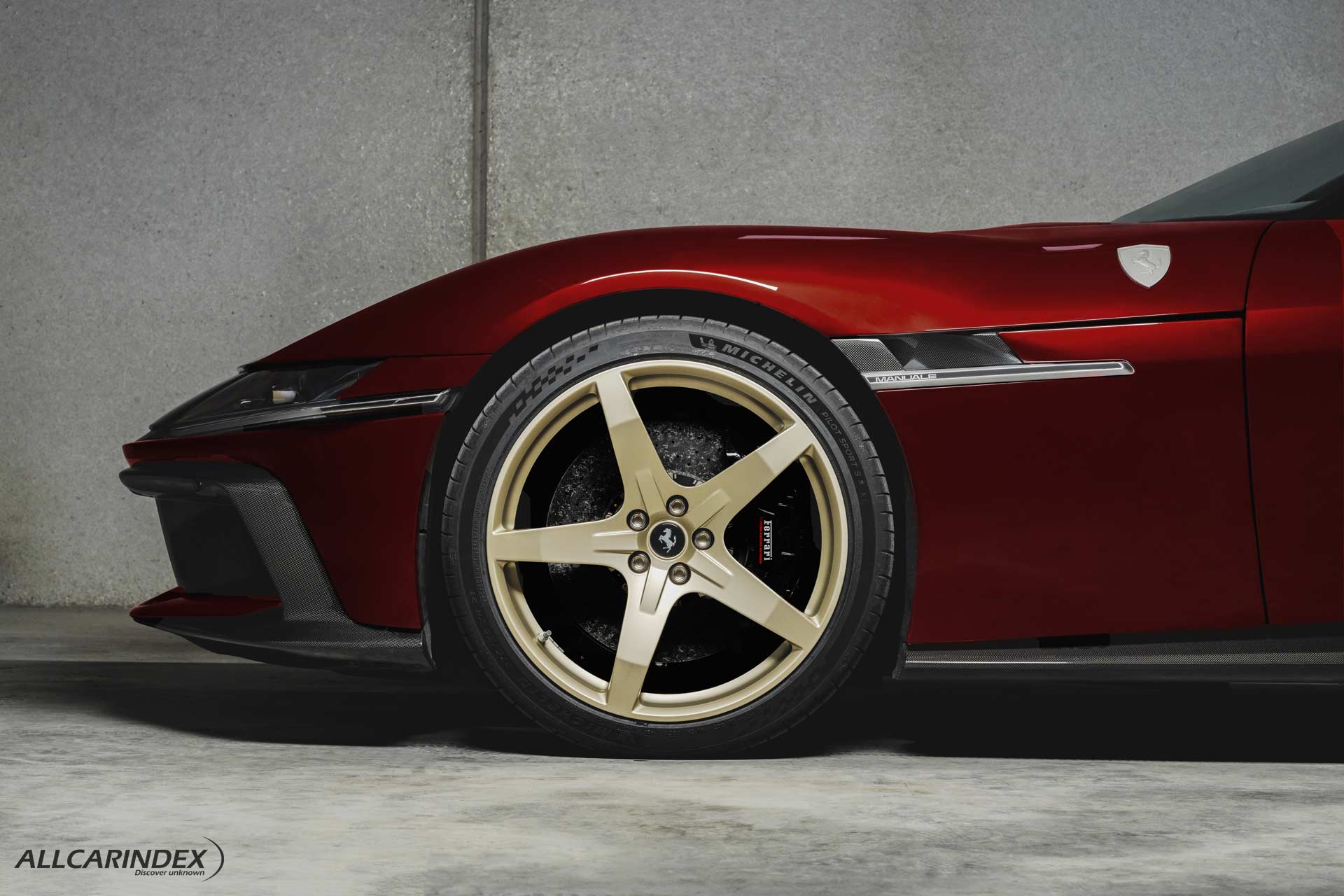
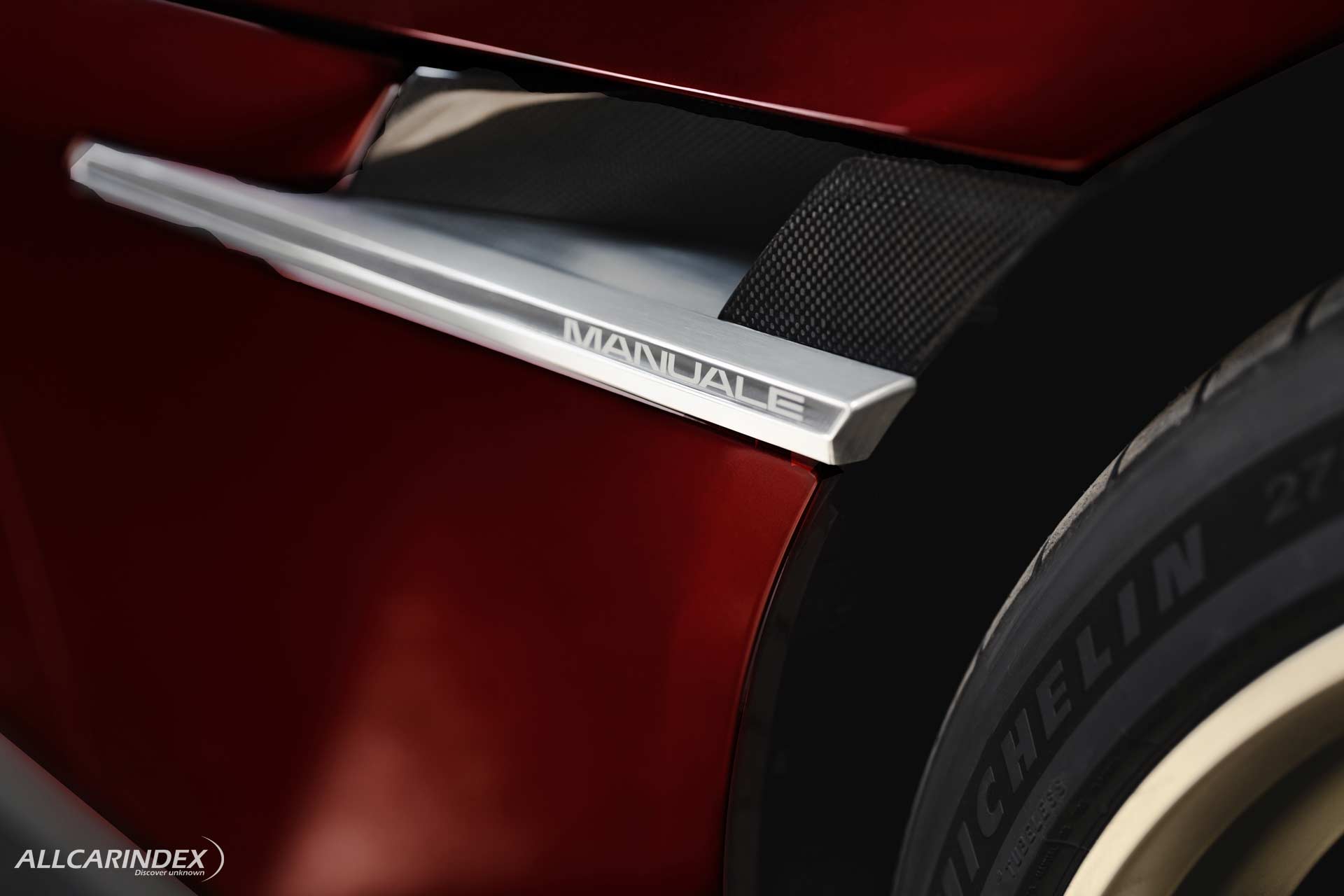
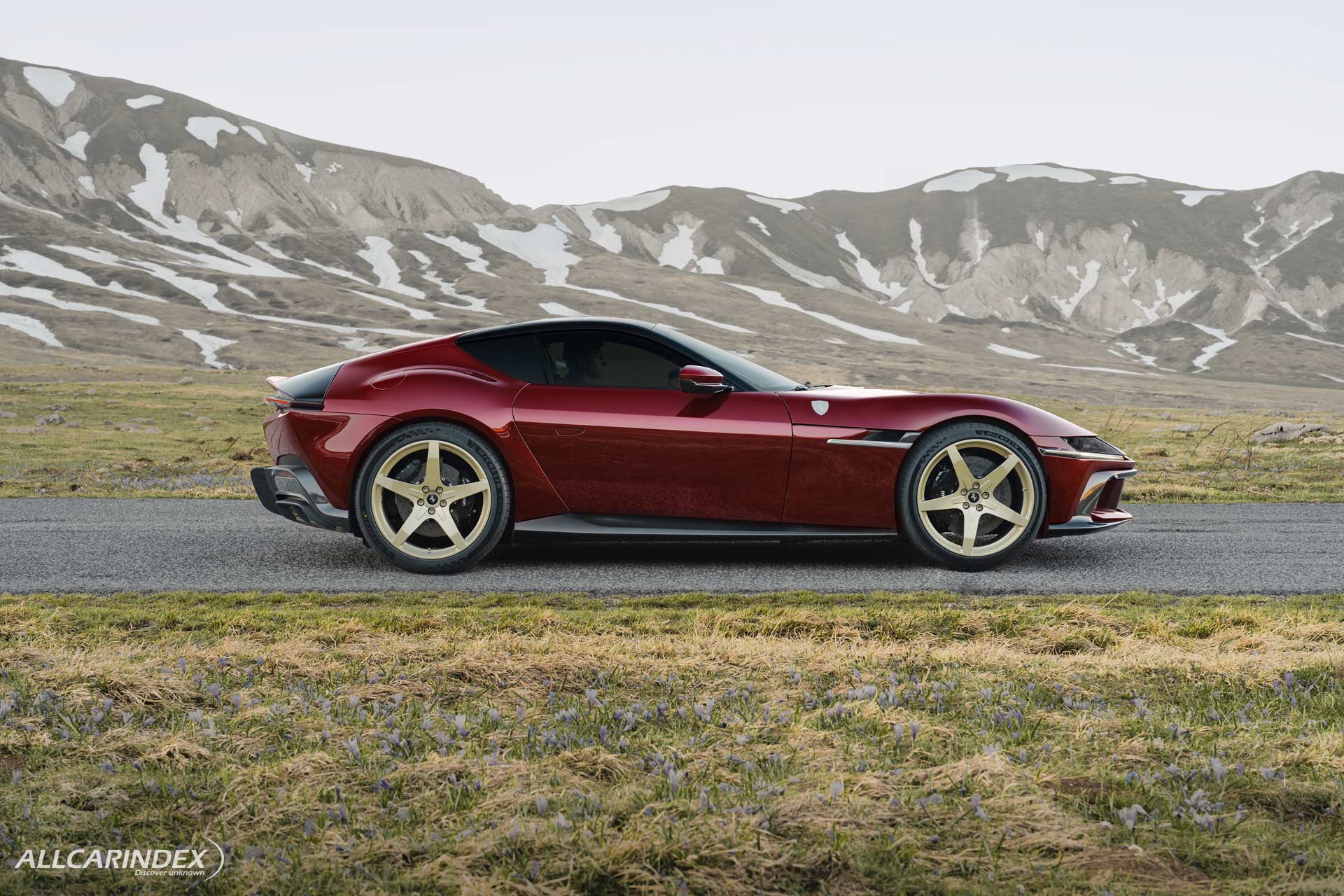
Ferrari has also given the model dedicated exterior and interior details. The side badge carries the car’s laser-etched logo, while the front splitter and rear wings receive a pinstripe finish inspired by the Ferrari 365 GTB/4. Other identifying elements include a special scudetto finish, five-spoke forged wheels created for the model and aluminium door sills engraved with the car’s logo.
The Tailor Made personalisation programme is part of the model’s identity, giving the limited series a more specific character than a standard 12Cilindri derivative. The emphasis is on craftsmanship, material selection and details that separate the Manuale from the regular range without changing the basic concept of the front-engined V12 berlinetta.
The Ferrari 12Cilindri Manuale stands in an unusual position. It does not simply revive the old manual transmission, and it does not remove the advantages of the modern dual-clutch gearbox. Instead, it creates a new interface between both ideas. The result is a V12 Ferrari that places the act of shifting back into the driver’s hands, while remaining part of the current 12Cilindri generation.