
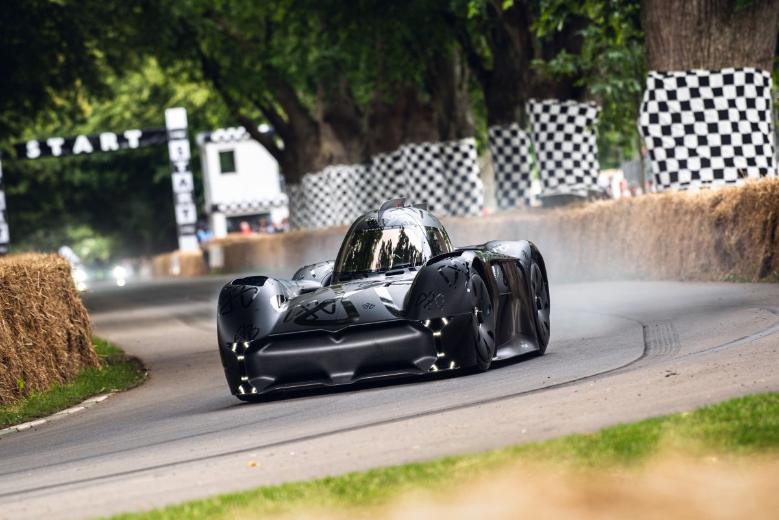
There are not many modern cars which have entered the automotive world with such an unusual technical idea and then continued to prove it in front of stopwatches. The McMurtry Spéirling first became globally known in 2022 when its prototype set a new Goodwood Festival of Speed Hillclimb record. Later, in 2025, another important mark was added when the same family of prototypes broke the Top Gear Test Track record, previously held by the 2004 Renault Formula 1 car. In the same year, the Spéirling also became the first car to drive upside down.
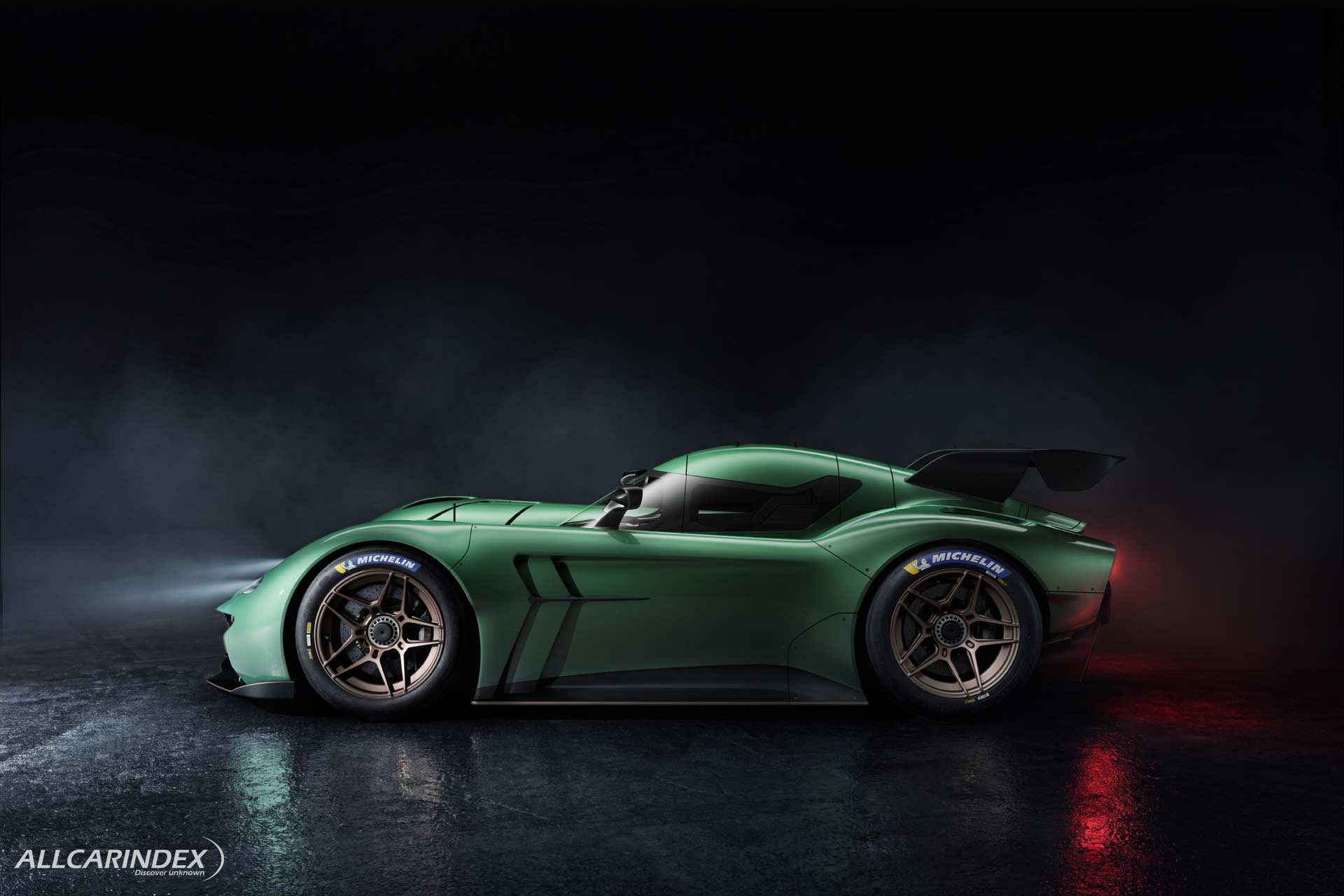
Now McMurtry Automotive has shown the final production form of the Spéirling PURE. This is not a road car, and it was not created to behave like one. It is a single-seat, closed-cockpit, electric track machine developed around a fan-based downforce system and built for private owners who want access to very high circuit performance without running a full racing programme.
The production version follows a long development period which began with the company founded in 2016 by Sir David McMurtry and Thomas Yates. McMurtry’s direction was different from the general movement towards larger and heavier performance cars. The Spéirling was built around compact dimensions, electric drive and active suction-generated downforce, taking inspiration from earlier fan-car ideas from Can-Am and Formula 1, but applying them in a modern electric track car.
Compared with the earlier prototypes, the production Spéirling PURE is said to contain 95 percent new components. The most important mechanical change is the move to a 100 kWh lithium-ion battery using Molicel P50B NCA 21700 cells. Earlier prototypes used 60 kWh packs, so the new battery gives the car a longer operating window on track. McMurtry quotes a run distance of 40 to 50 kilometres at LMP2 race car pace, while charging from 20 to 95 percent is listed at between 20 and 60 minutes, depending on ambient temperature and charger capacity.
Power is sent to the rear wheels by a twin-motor layout with an e-differential. Output is given as 1000 bhp, and the drivetrain now uses new Helix motors with more torque together with an upgraded gearbox. Regenerative braking has also been increased to as much as 200 kW at all states of charge. The cooling package has been moved from the rear to the front of the car, which allowed cleaner airflow through the rear tunnels even though the production car has grown to house the larger battery and additional systems.
The headline numbers remain severe. McMurtry quotes 0-60 mph in 1.55 seconds with one foot rollout, a top speed of 190 mph, 3g in cornering and 3g under braking. The car weighs approximately 1350 kg, subject to options. Length is 3815 mm, width is 1795 mm and height is 1056 mm, with a wheelbase of 2200 mm. This makes the production Spéirling PURE larger than the earlier prototypes, but still a very small car by the standards of modern high-performance machinery.
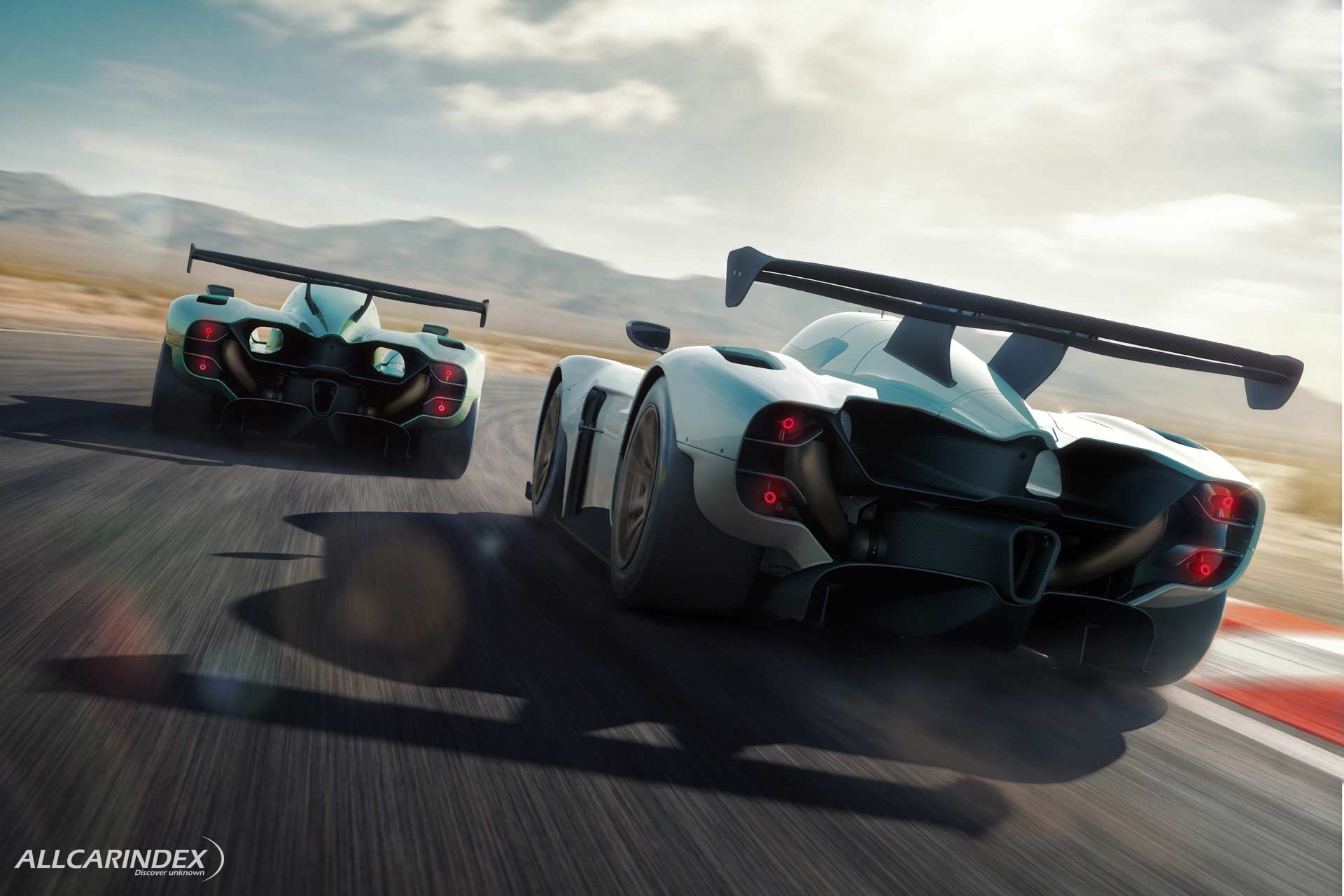
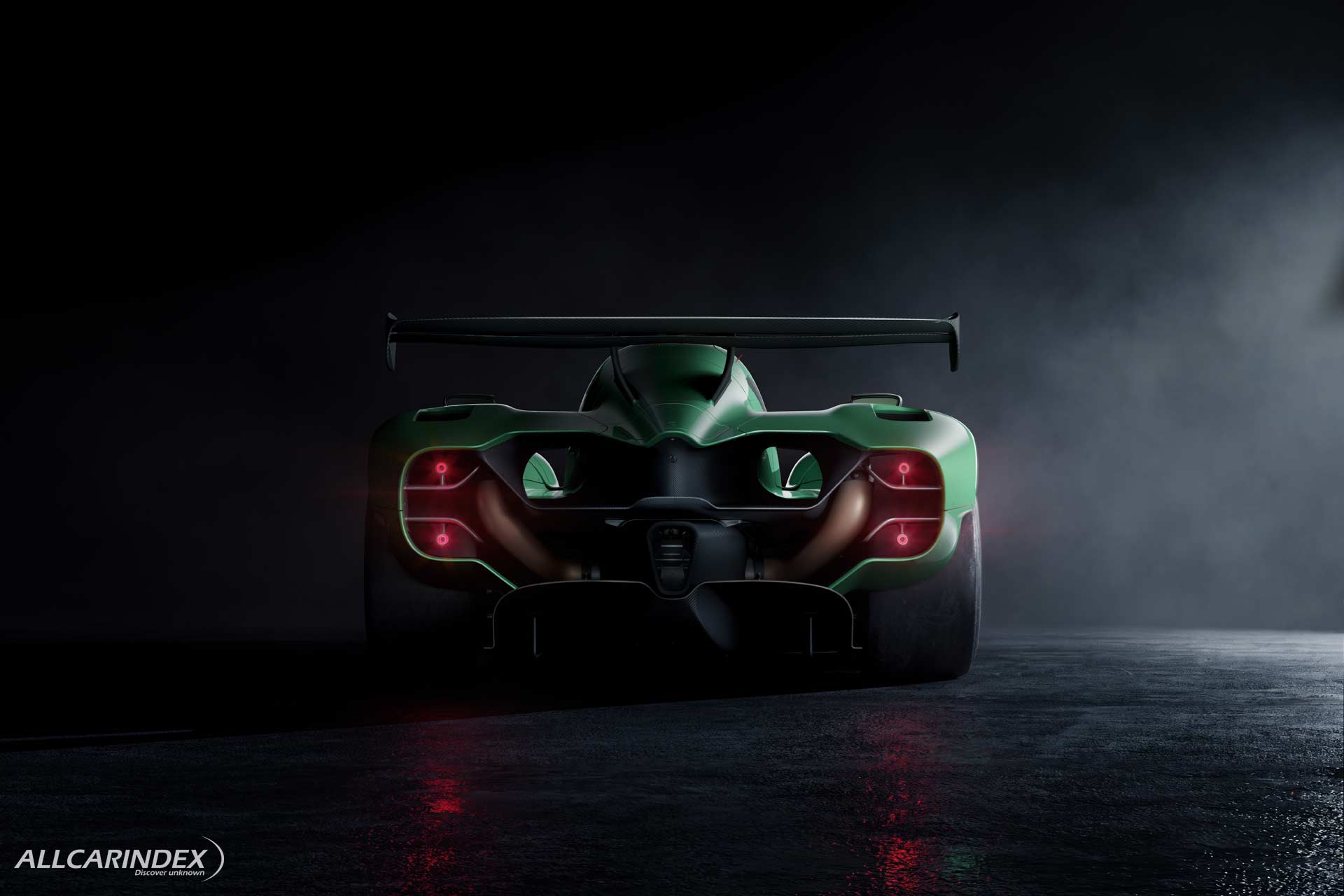
The defining system is still McMurtry’s Downforce-on-Demand technology. Two high-speed fans create suction beneath the car and generate as much as 2000 kg of downforce from standstill. The fans spin up to 23,000 rpm and draw air from a sealed area under the chassis through filters before exhausting it from the rear. This allows the car to create downforce without waiting for speed to build in the conventional way through wings and diffusers. The system also uses two fans for redundancy, so the car is not dependent on a single unit.
For production, this system has been reworked in several areas. The fan blades are new, the fan motors and cooling arrangement have changed, and the fan assembly has been relocated to improve the centre of gravity. The underbody skirt system has been redesigned for durability over thousands of kilometres, and the car now carries an onboard air compressor. This means the skirt can be retracted without an external air bottle, including for trailer loading, pitlane movement and other slow-speed use.
The chassis and bodywork are also new. The carbon fibre monocoque has been designed to meet global motorsport safety standards, while the cabin has been enlarged with more elbow room and leg room. The wider door opening and repositioned A-pillar are intended to make access easier and improve visibility. The secondary door is now hinged, with wider hinge spacing to help entry and exit.
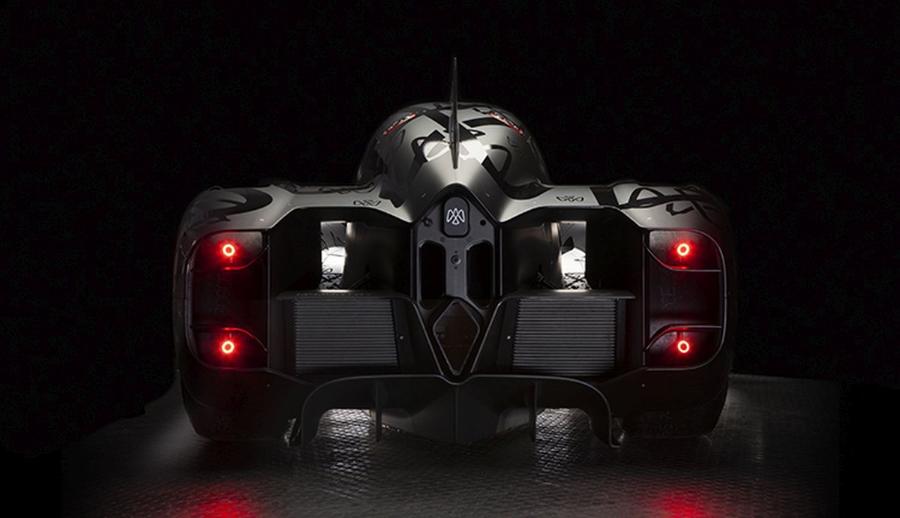
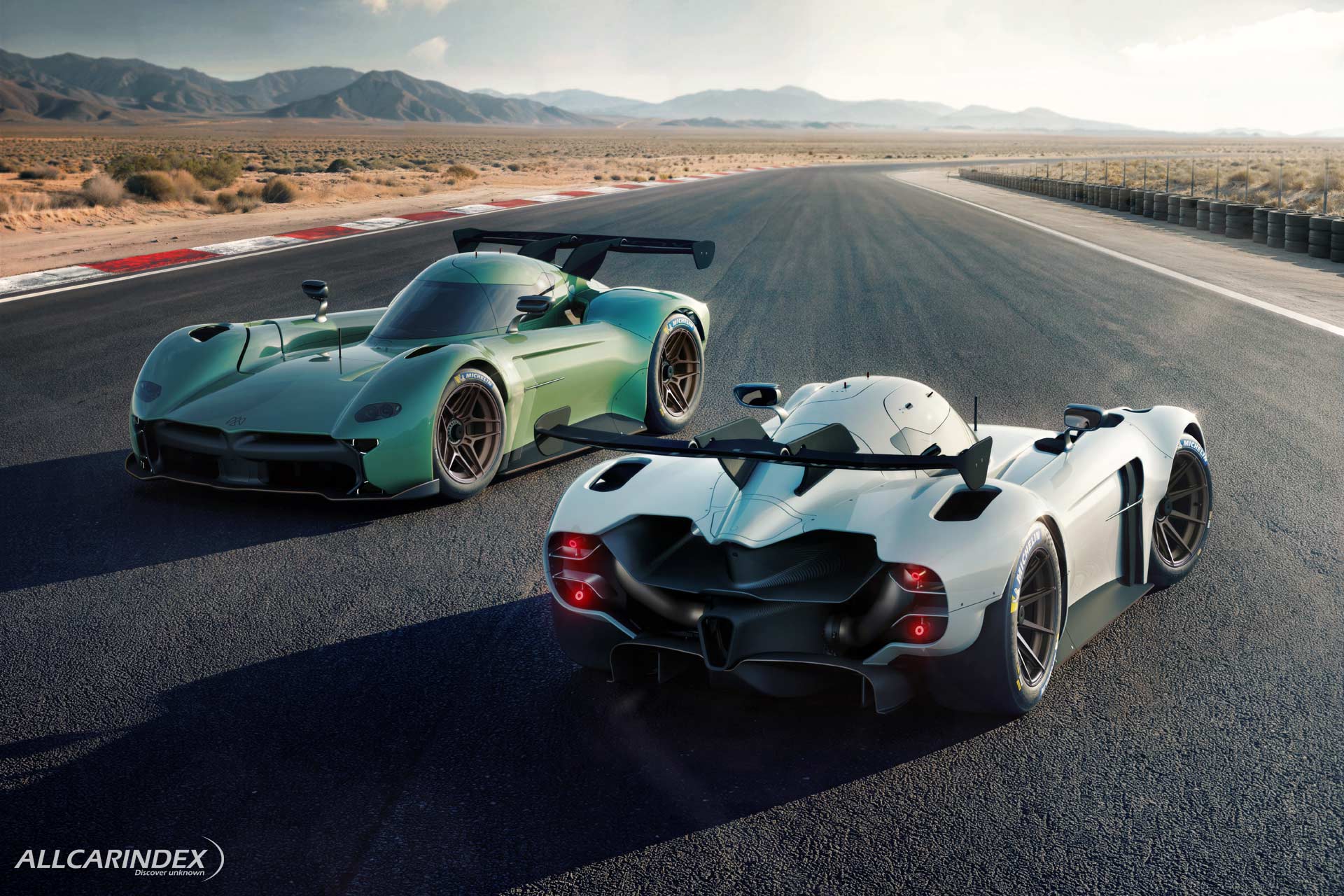
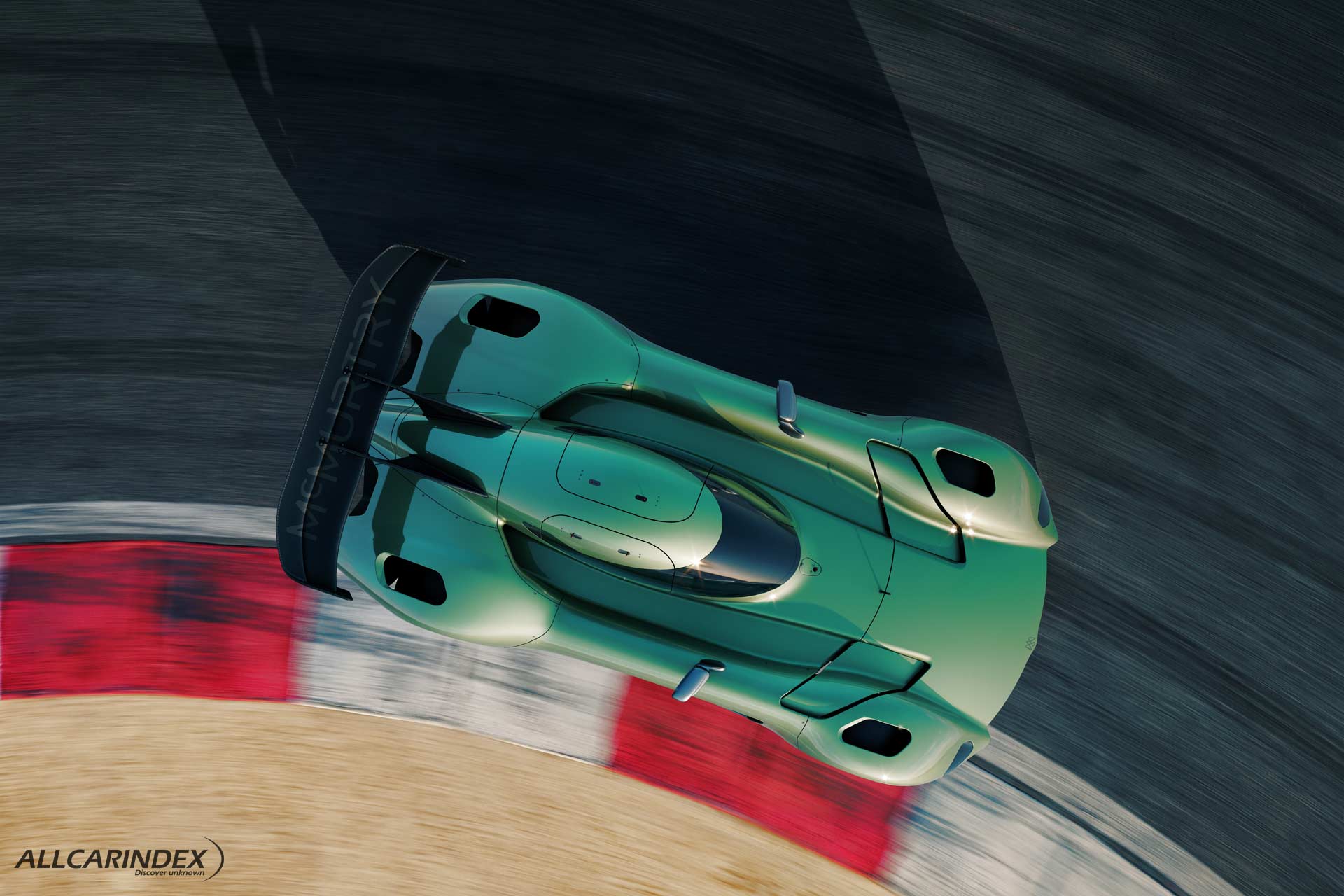
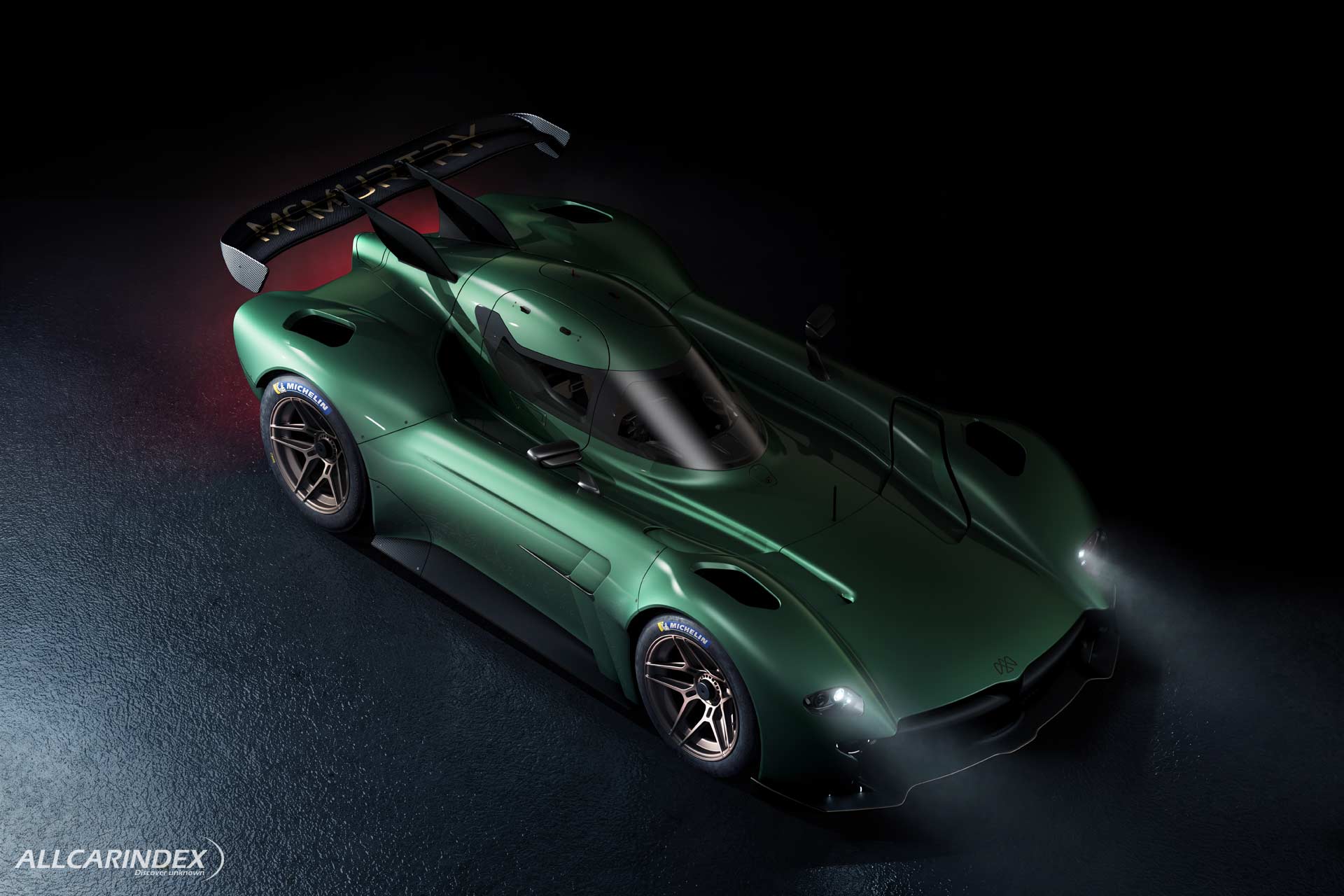
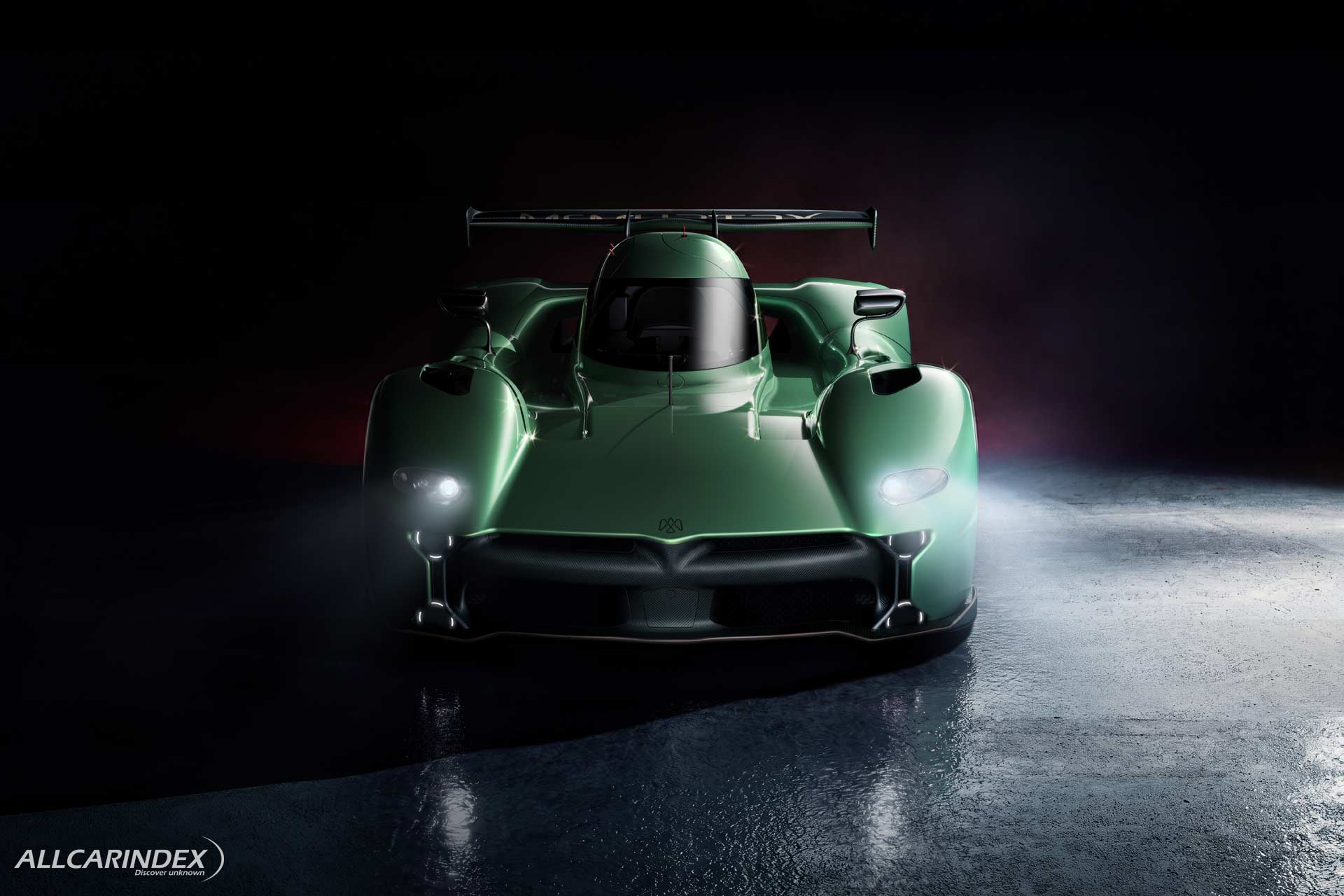
Visually, the production Spéirling PURE keeps the same basic philosophy of the prototype, but with changed proportions and more developed surfaces. The wheelbase has grown by 10 percent, the width by 14 percent and the length by 11 percent. New carbon bodywork has been shaped around these revised dimensions. One of the more obvious changes is at the rear, where the fan inlet ducting is now visible. The rear wing uses a swan-neck layout, and there is a small boot compartment beneath it with space for a helmet and HANS device.
The car also receives headlights for evening or night track running, along with indicators, hazard lights, brake lights and a main beam flash. These details do not change its purpose, but they show how the production version has been prepared for more realistic track-day operation.
Suspension and steering have also moved on from the prototypes. The production car has greater suspension articulation and a nominal ride height increase of 20 percent when in use. Tyre widths are up by 11 percent at the front and 3 percent at the rear, using off-the-shelf Michelin slicks available globally. The sidewall height has also increased by 15 mm at both ends. The front tyres are 30/68-18 Michelin Pilot Sport GT S8M items, while the rear tyres are 31/71-18 of the same type.
Another important change is the steering system. The earlier electric power steering has been replaced by hydraulic power assistance using Formula 1-style valving. Electronically adjustable dampers are available as an option. Braking hardware consists of 390 mm by 34 mm vented carbon ceramic discs with Brembo six-piston calipers.
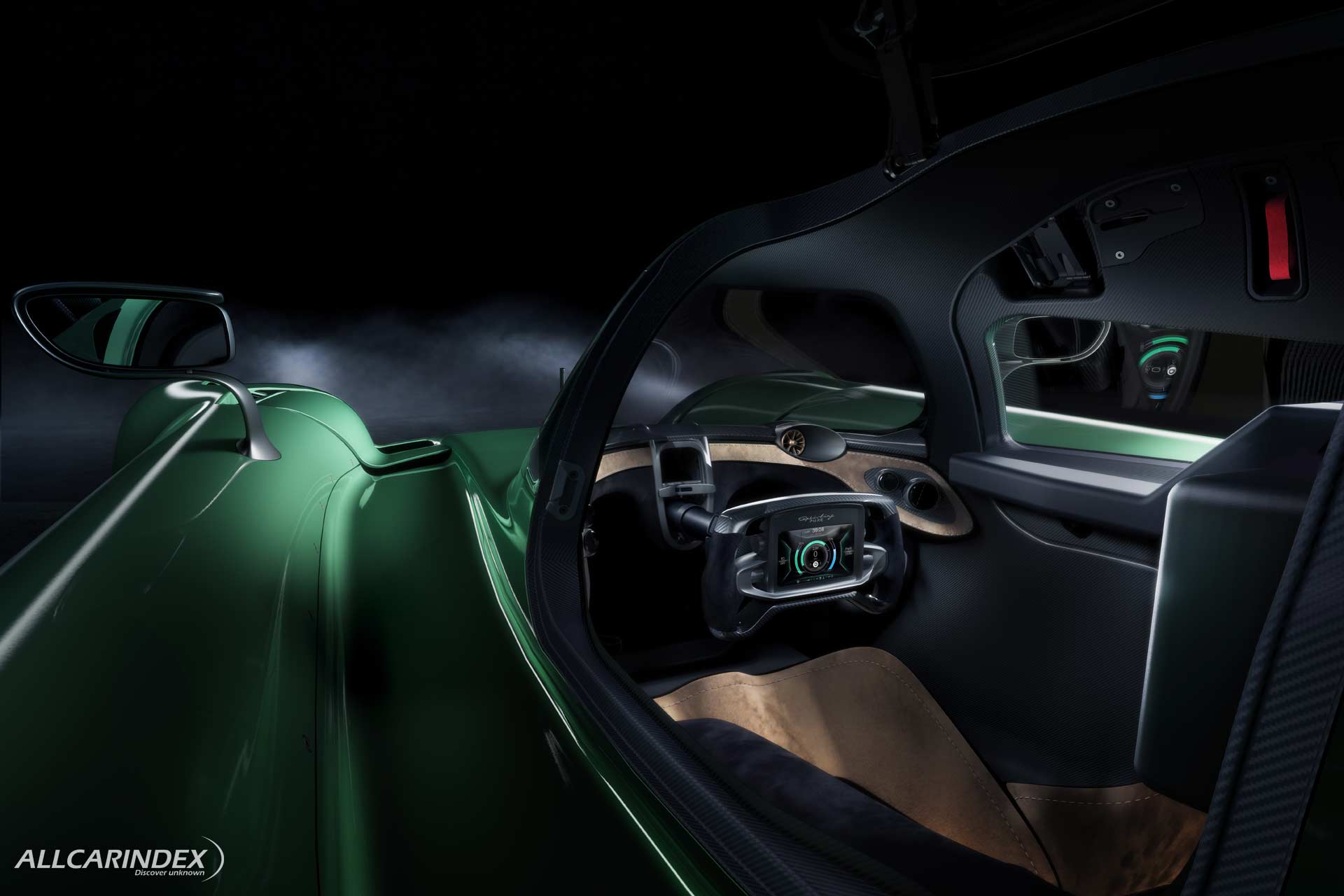
Inside, the Spéirling PURE remains focused on driving, but the final car is no longer just a functional prototype cockpit. Every seat is custom moulded for its owner in a way similar to Le Mans prototype practice. The pedals and steering wheel are adjustable, and the car can accommodate drivers up to 201 cm, or 6 ft 7 in. The steering wheel is a racing-style unit with key driving controls placed for use at speed, while a central screen displays information including power setting, fan setting, state of charge, speed and temperatures. Air conditioning is optional.
McMurtry has also worked on the ownership side of the car. The Spéirling PURE is intended to be run at track days or competitive events by a driver and one competent helper, though factory support is available. Service access has been improved through new panels in the monocoque and bodywork, including quick access to the fan filter cassette through the side pods. For venues without high-speed charging, McMurtry has developed an optional 100 kWh storage unit with 120 kW output, which can be charged from a conventional three-phase pit garage supply.
The production car is eligible for events including Global Time Attack in the USA and European Time Attack Masters at the Nürburgring. McMurtry also lists GT1 Sports Club as a suitable non-competitive, race-inspired environment. Owners will also have access to the McMurtry Owners Club, with factory-supported track events, driver training, engineering briefings and international logistics support.
Personalisation is part of the final customer programme. Buyers work with an in-house designer on paint, graphics, wheel designs and interior trim. Seat colours, stitching, stripes and logos can also be selected, along with steering wheel and dashboard trim options.
The Spéirling PURE will be displayed at the Goodwood Festival of Speed from 9 to 12 July, with its full production public debut scheduled for The Quail in Monterey on 14 August. The price is £995,000, or approximately $1.3 million and €1.15 million, before local taxes, shipping and options. First deliveries are due later in 2026.
For a project that began around a compact electric fan car and moved through hillclimb records, circuit records and unusual demonstration runs, the production Spéirling PURE is now the version intended for private customers. Its specification remains centred on the same idea that defined the prototype: a small single-seat electric track car using suction downforce from zero speed, developed not as a racing category car, but as McMurtry’s own interpretation of extreme private track machinery.