

There are tribute cars, and then there are cars that feel like somebody has smuggled a family story into a 1,600-horsepower weapon. The Bugatti W16 Mistral ‘Caroline’ is the latter.
On paper, this is already a heavyweight. The W16 Mistral is the final open-top Bugatti built around the marque’s monumental quad-turbo W16, which means it isn’t merely another ultra-expensive roadster for collectors with climate-controlled garages and a fondness for monocles. It is the last deep breath of an engine architecture that spent two decades dragging the hypercar world into absurd new territory. That alone gives the Mistral historic heft.
But ‘Caroline’ is interesting for a different reason. It shows what happens when Bugatti’s Sur Mesure division is not asked to make something louder, more aggressive, or more jeweled-up for the valet line. Instead, it has been asked to make something intimate.
And that changes everything.
Not just a spec, a point of view
This particular W16 Mistral was commissioned by a long-standing Bugatti client who wanted something unique, yes, but more importantly something gentle. That word hardly ever appears in the same sentence as a Bugatti, which is precisely why it matters here. The brief was shaped around flowers, Haute Couture, and a tribute to the owner’s daughter, whose name the car carries.
That could have gone very wrong.
At this level, bespoke can tip into the sort of money-no-object delirium that leaves you with diamond-pattern seat inserts, mismatched metallic paint, and a dashboard that looks like it was attacked by a luxury gift shop. But the ‘Caroline’ seems to have avoided that fate by committing to an actual design idea rather than a list of expensive preferences.
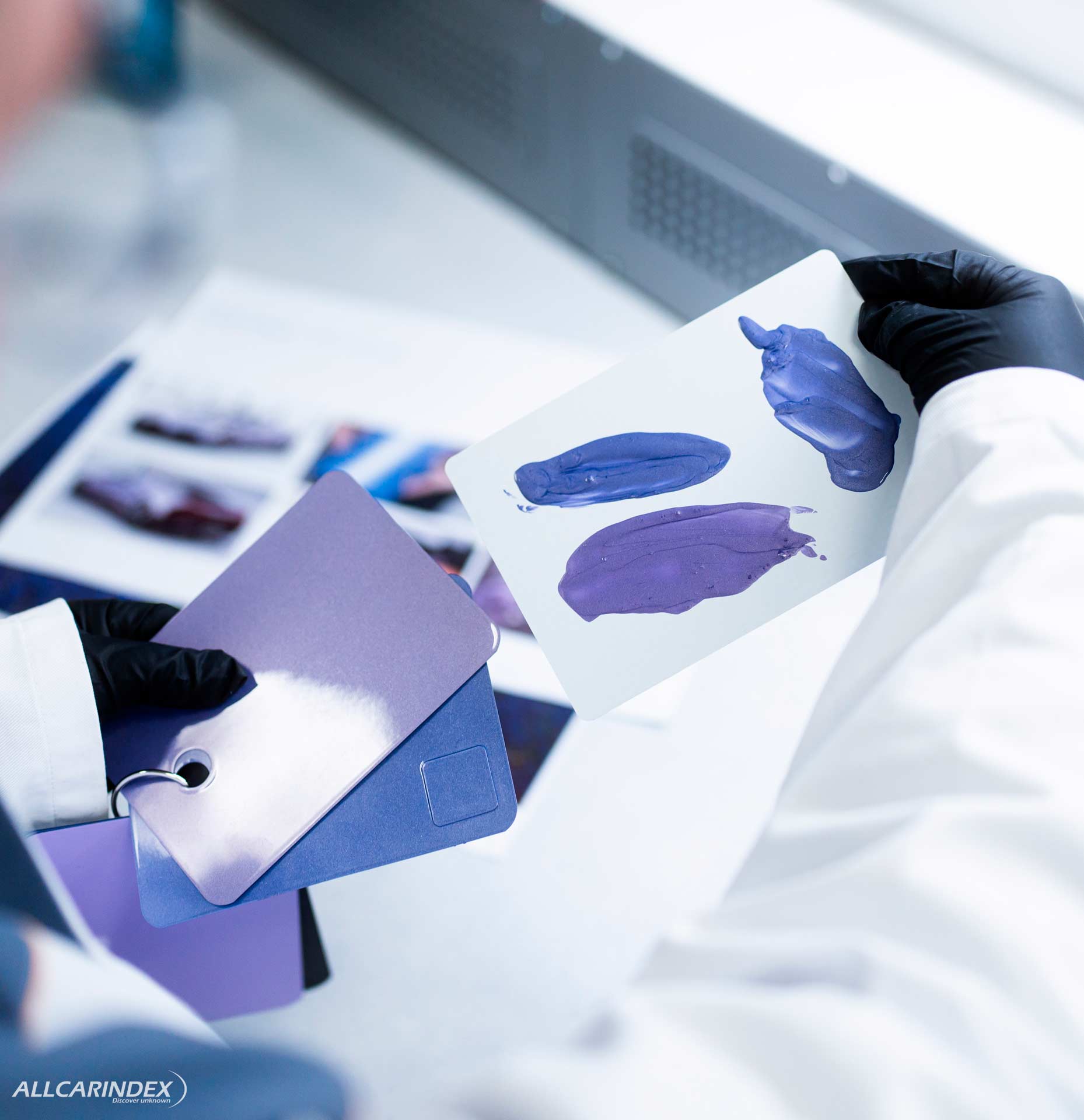
Bugatti’s color and materials team, led by Sabine Consolini, developed the car around the visual language of flowers and fashion. That sounds suspiciously like press-release perfume until you look at the details. The inspiration wasn’t generic “floral luxury” nonsense. It was pulled from lavender fields in Provence, Parisian gardens, and the tonal sophistication of Haute Couture fabrics. In other words, they were chasing not just prettiness, but texture, shade, depth, and movement.
That is how you stop a theme from becoming a gimmick.
Lavender, but not the twee sort
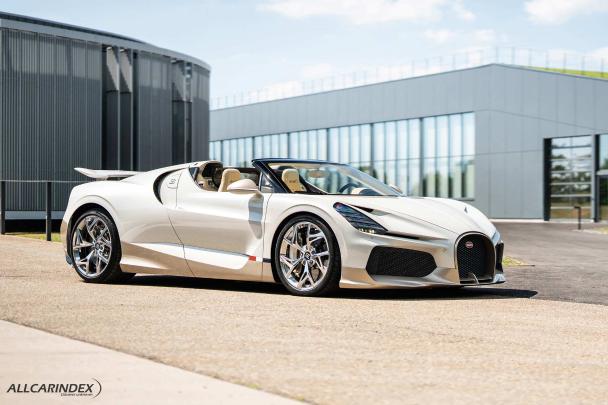
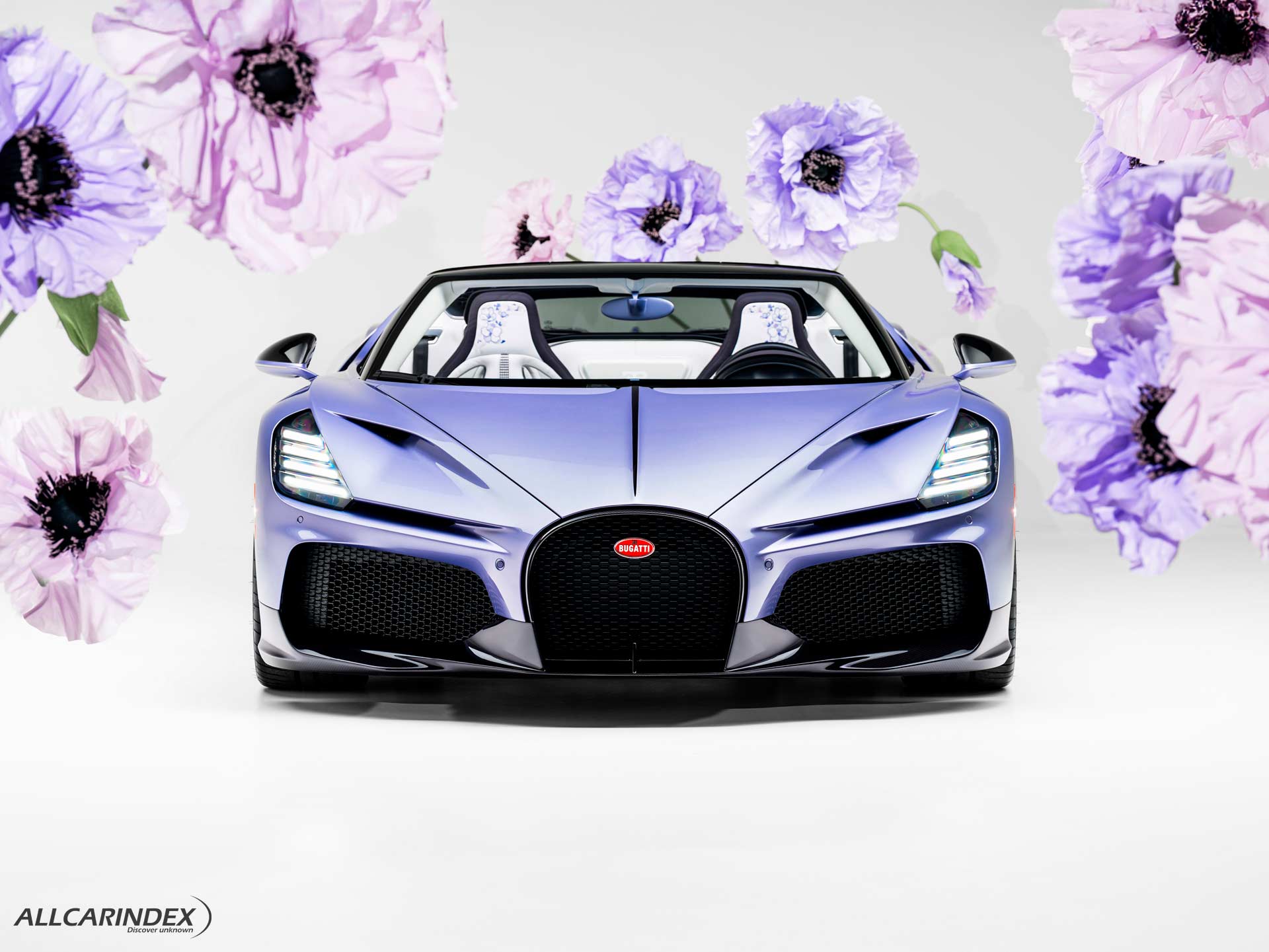
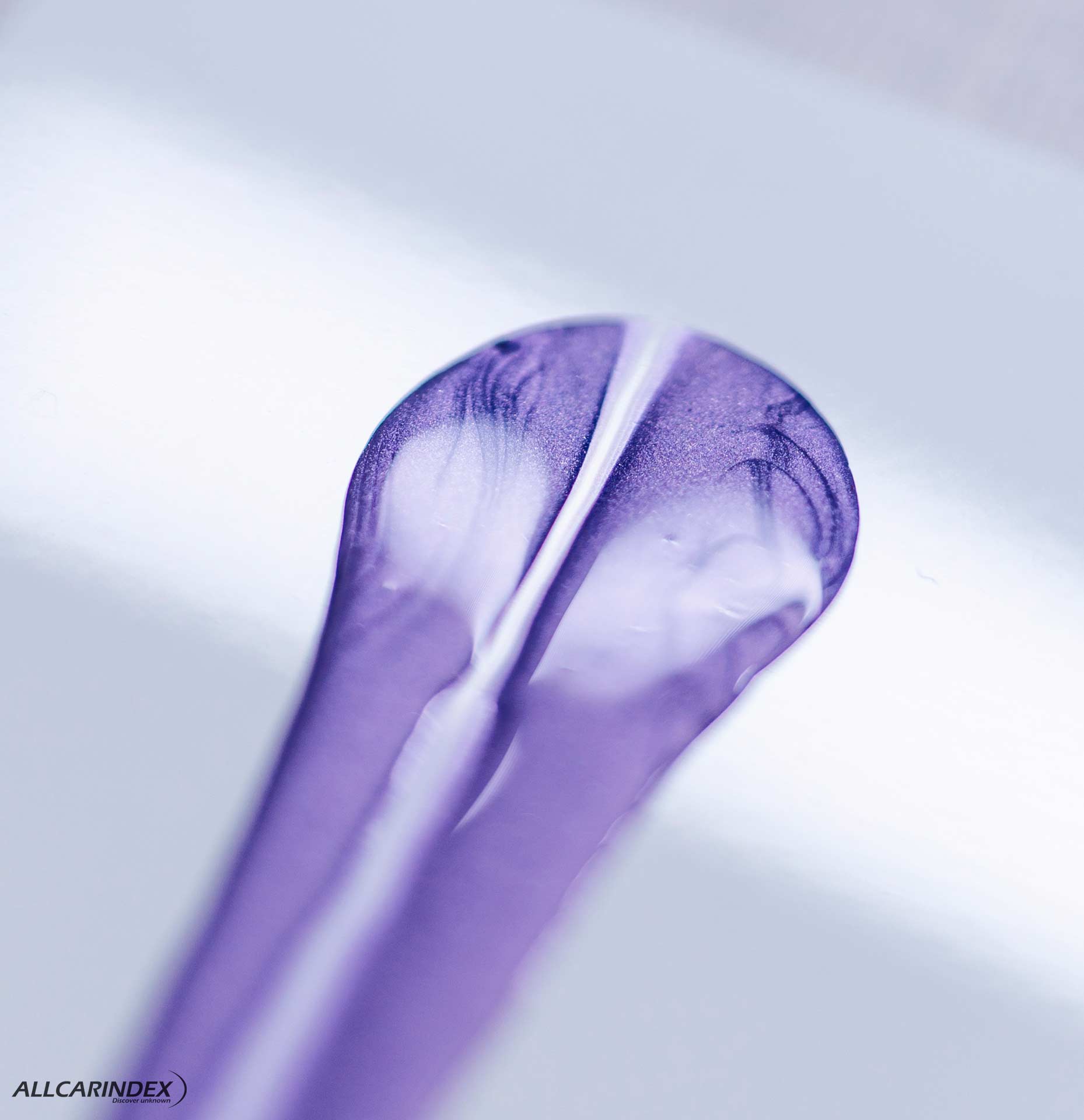
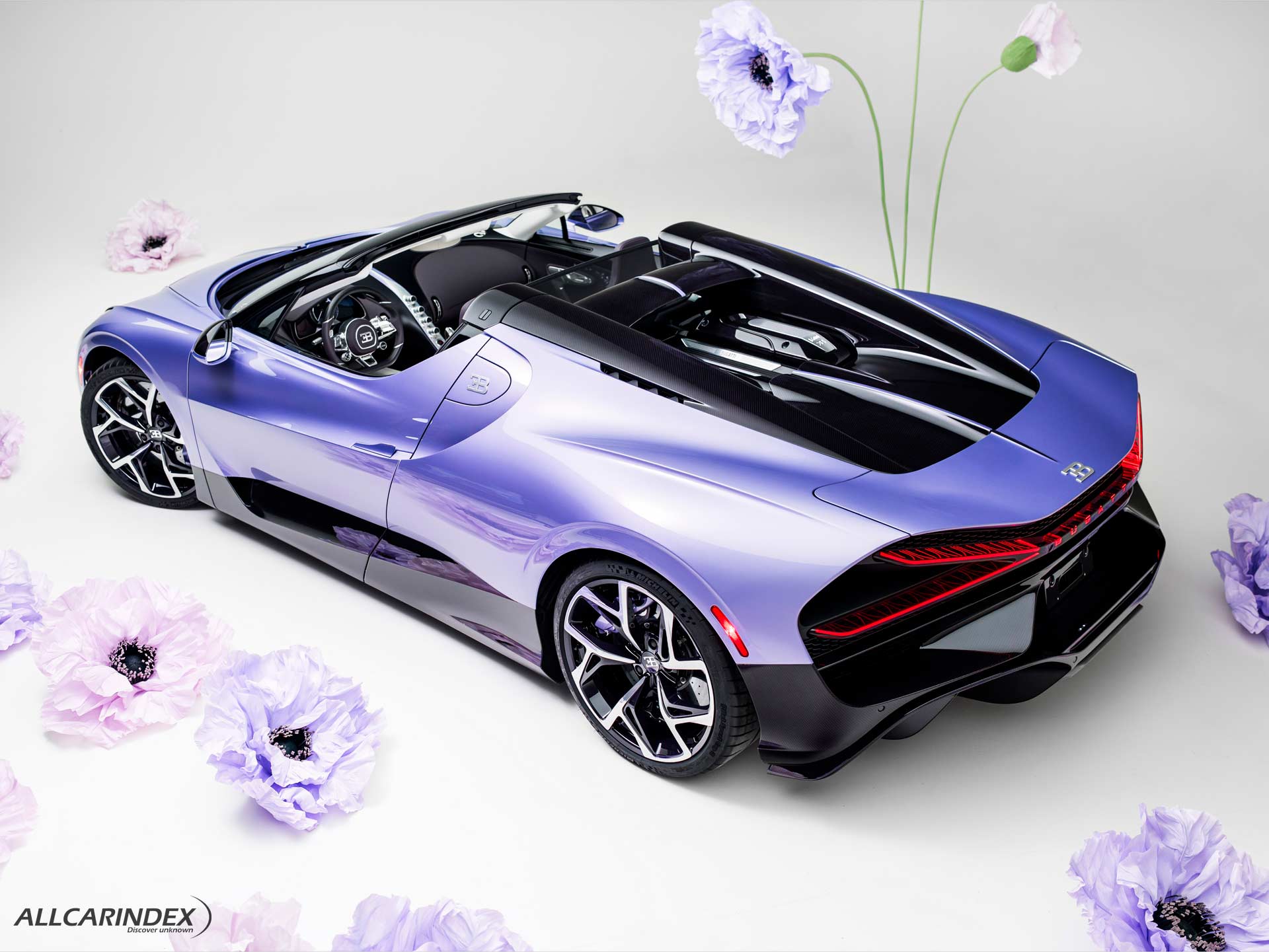
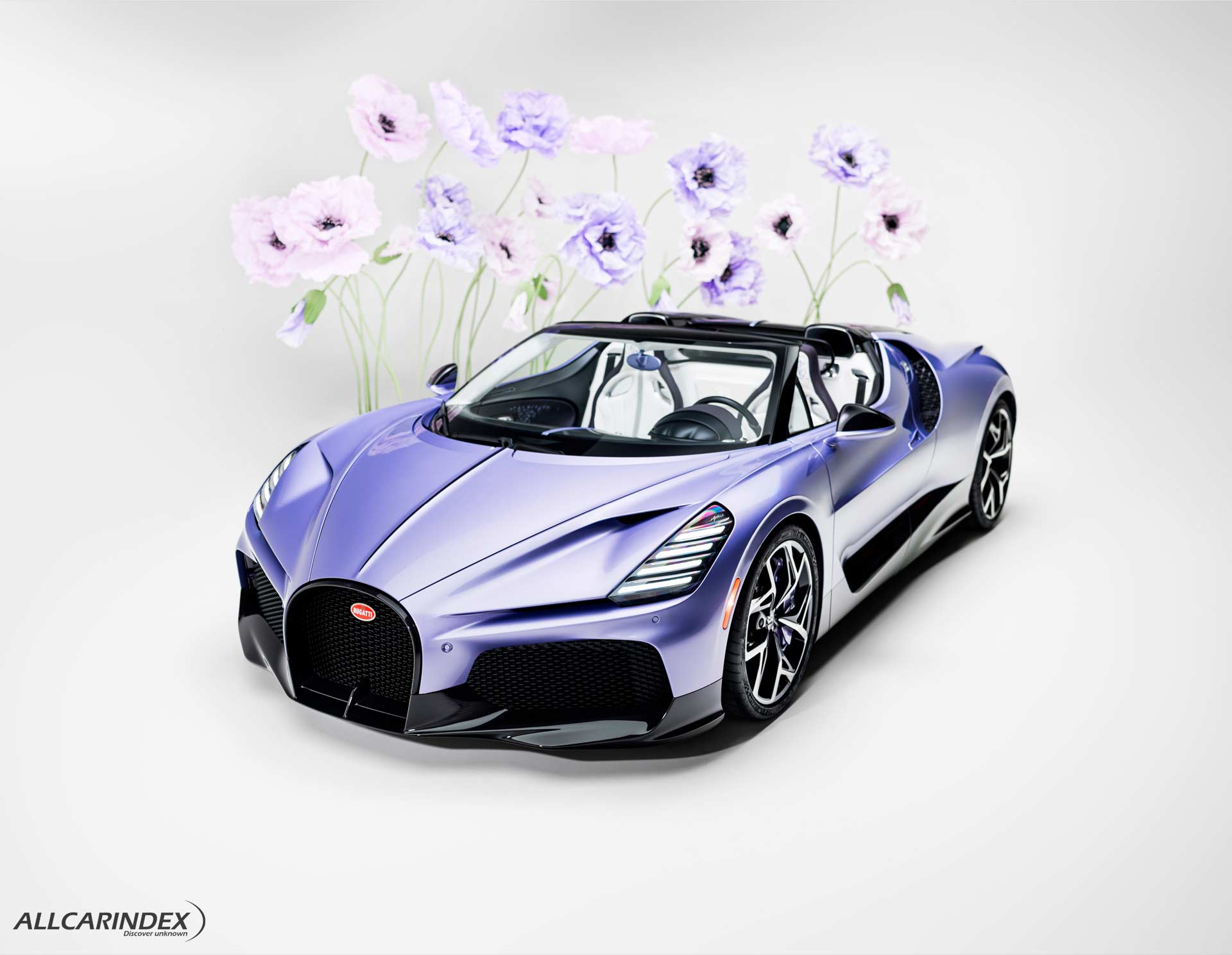
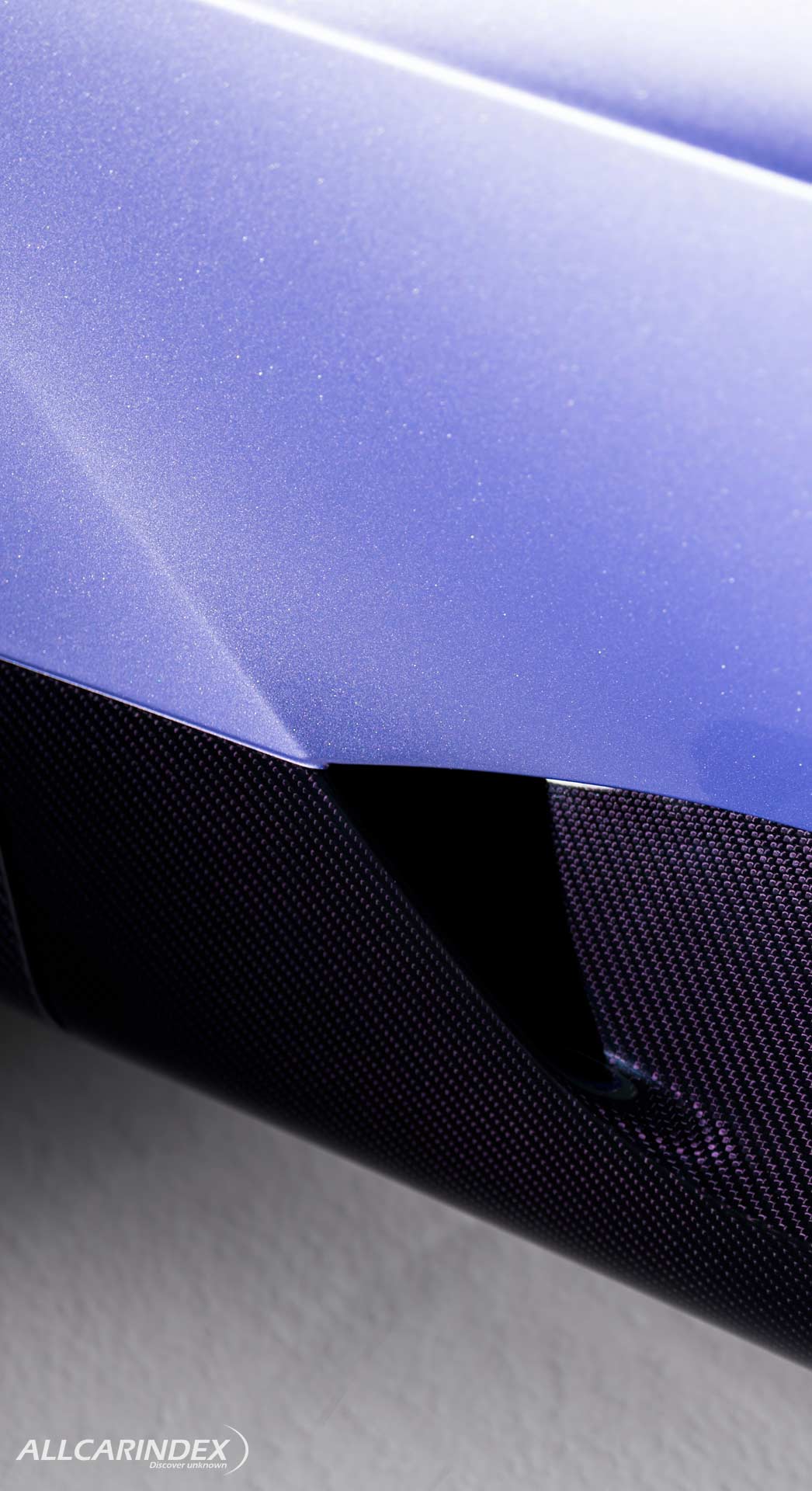
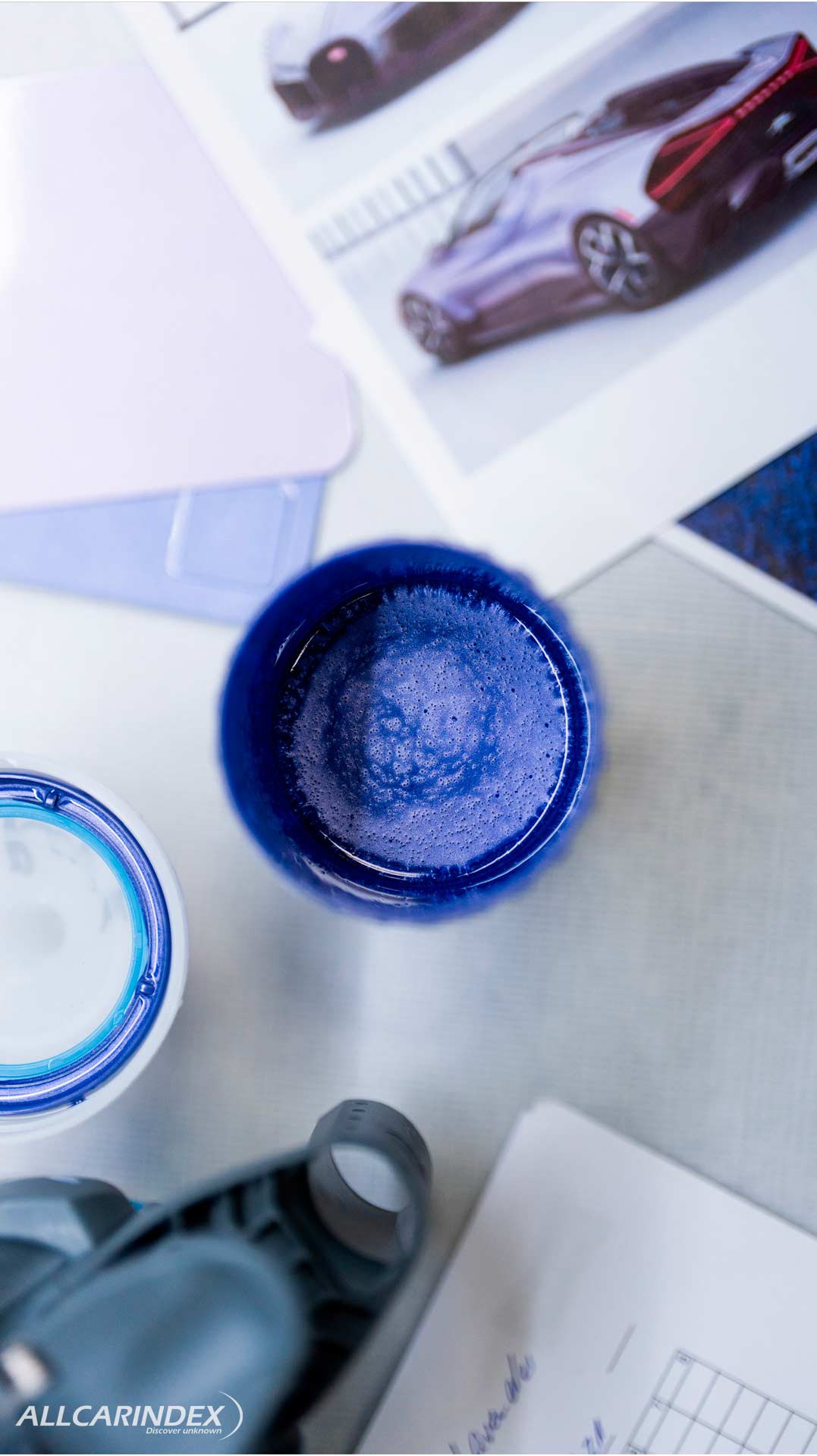
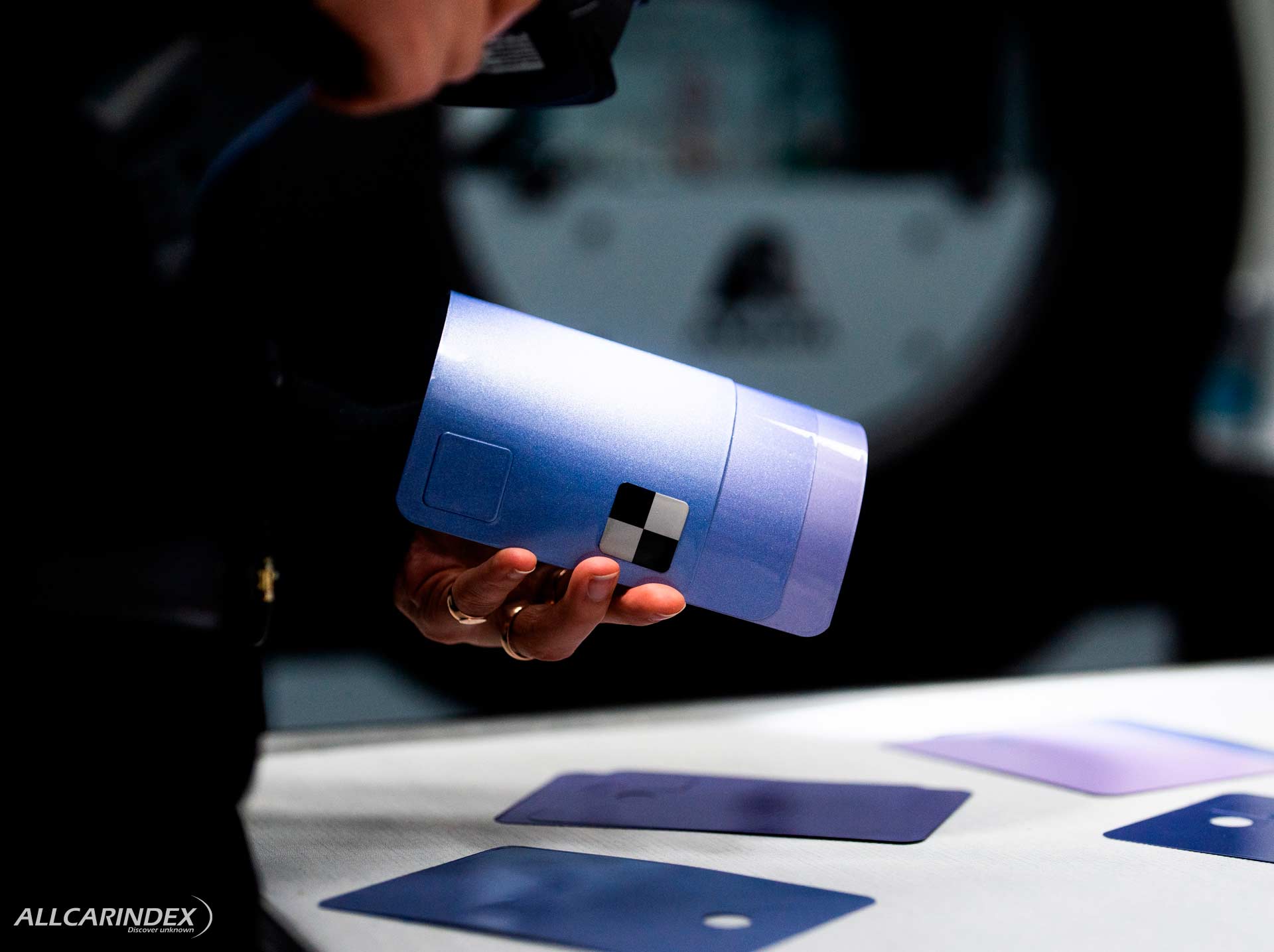
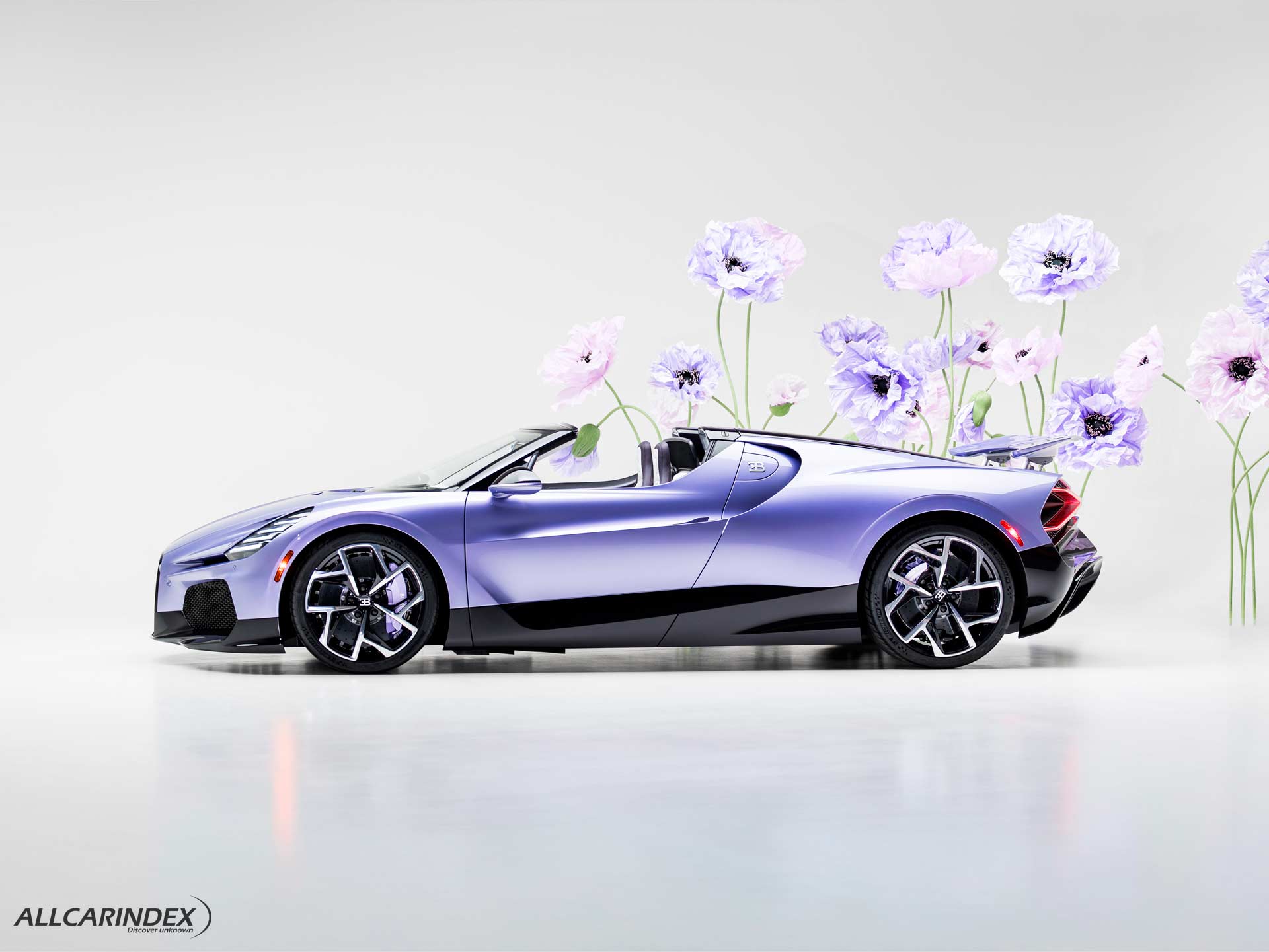
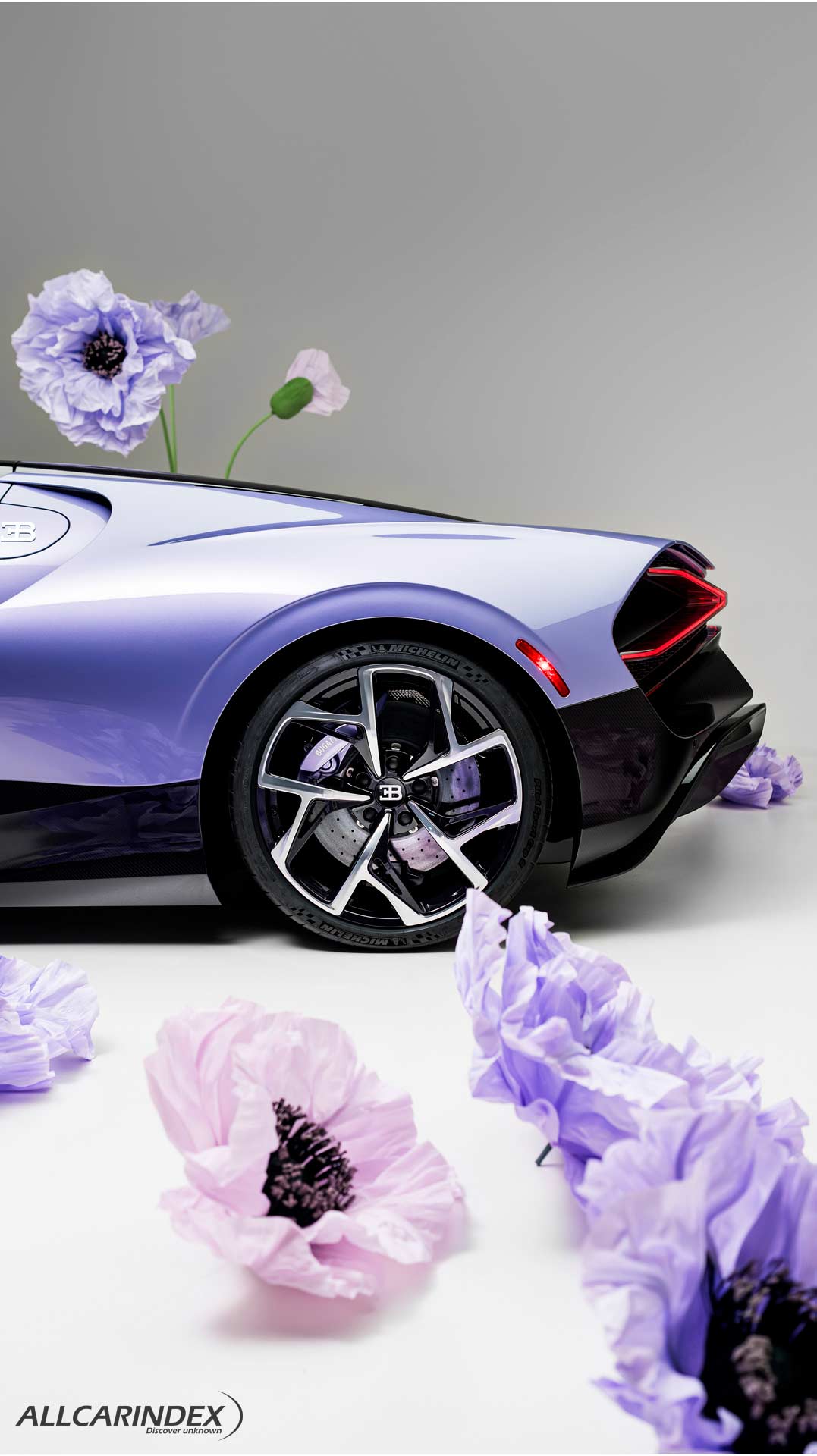
The defining gesture is the exterior paint: a bespoke shade called ‘Lavender’. Now, lavender on a Bugatti sounds like the kind of sentence that would make internet comment sections spontaneously combust. Yet the clever bit is that this isn’t a flat, novelty purple trying to be quirky. It was evidently developed through an exhaustive process of testing floral-inspired tones across the Mistral’s bodywork until the final balance was found.
And that balance matters, because the Mistral is not a timid shape. It has the sort of surface drama and airflow-led sculpture that can make subtle colors look washed out or slightly apologetic. The chosen finish apparently shifts in the light between bluish and reddish violet, which is exactly what a sophisticated color should do on a car this theatrical. It adds movement without needing stripes, contrast packs, or some daft exposed-for-the-sake-of-it carbon overload.
Well, mostly.
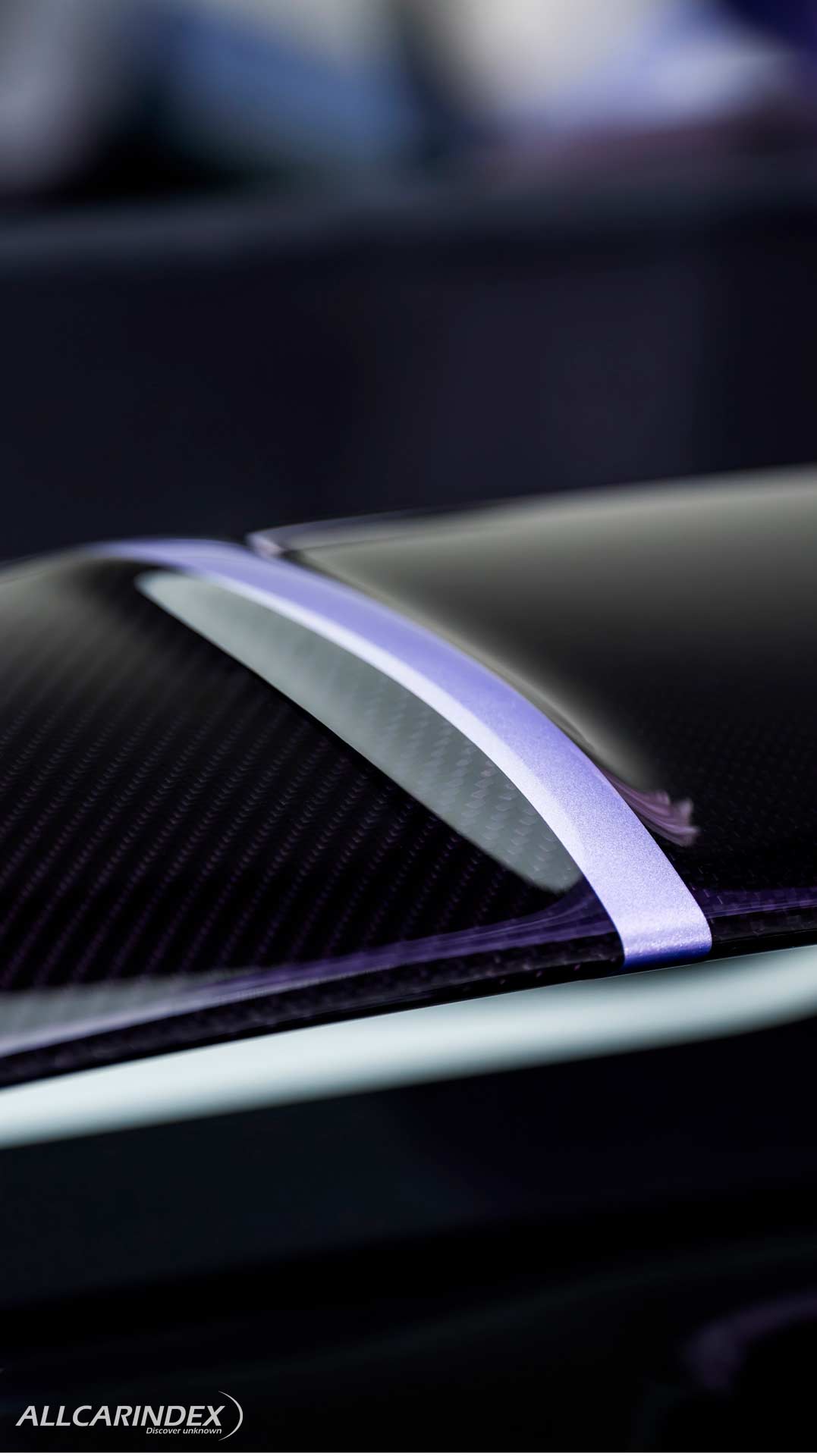
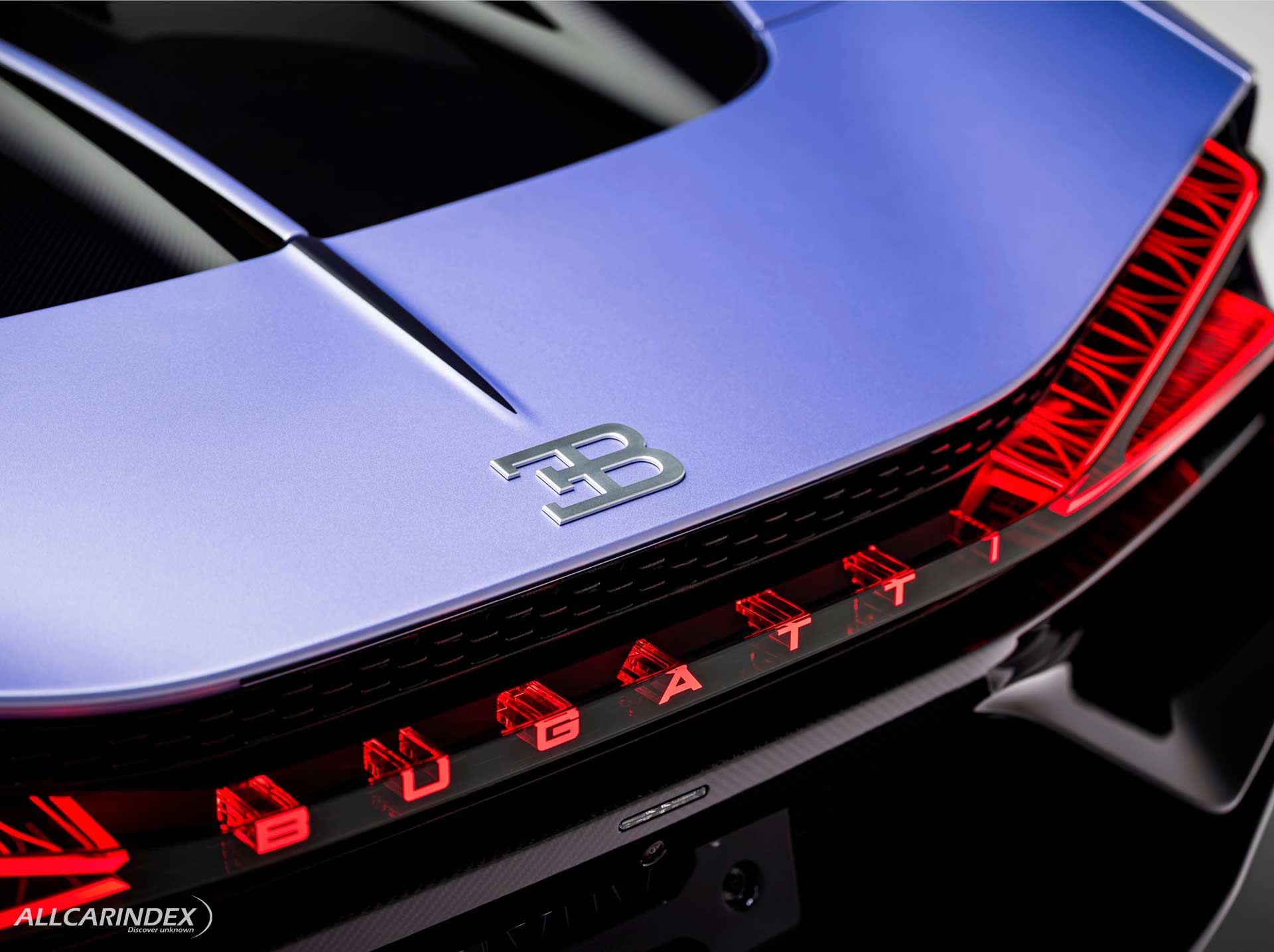
Below that luminous upper body sits exposed ‘Violet Carbon’, tinted to complement the paint. Normally, dyed carbon fiber can feel like a flex too far, but here it seems to serve an actual design purpose. The darker, more textured lower section grounds the car and stops the whole thing floating off into pastel fantasy. It gives the Mistral a visual base note. Without it, the lavender body might have looked decorative. With it, the car keeps a sense of tension and seriousness.
That is the trick throughout this build: softness without weakness.
The rear wing is where it gets properly mad
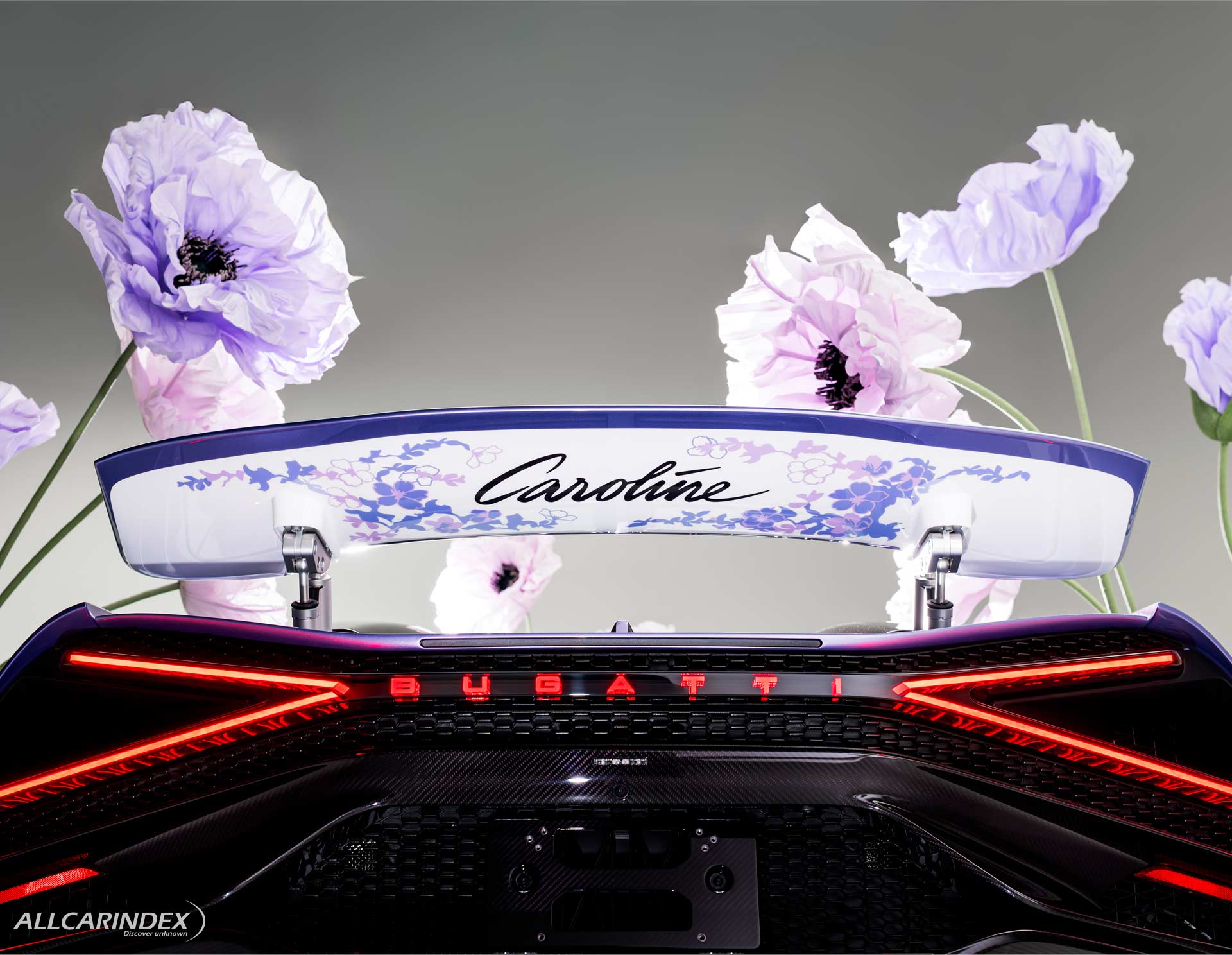
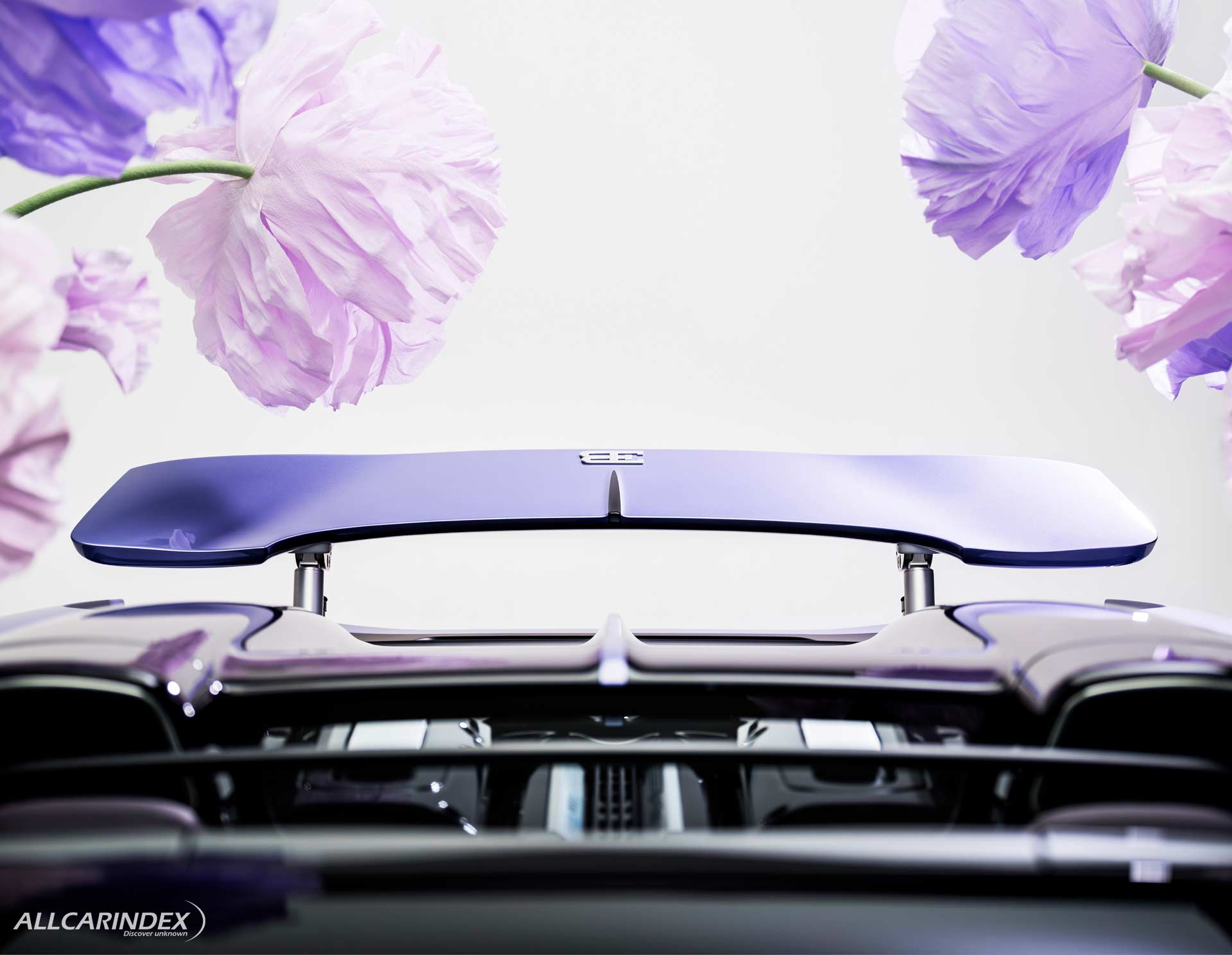
If there is one detail that tips ‘Caroline’ from tasteful one-off into genuinely memorable object, it is the rear wing. Bugatti has turned the retractable wing into a hand-painted canvas, layering lilac and iris tones into a floral composition with the name ‘Caroline’ inscribed at the center in Bugatti’s signature style.
This is a gloriously odd thing to do on a machine whose active aero is designed to help manage vast speed and violence. Most manufacturers would hide the mechanism, or at best paint it body color and move on. Bugatti has instead treated the air brake as a reveal, like the punchline in a very expensive magic trick. Press on, get speed, and a hand-finished floral artwork rises from the tail.
That sounds ludicrous. It is also fantastic.
The craftsmanship behind it appears especially exacting, involving multiple masking stages and careful layering by master technicians. The key point is not merely that it is hand-painted, because “hand-painted” is one of those phrases luxury brands fling around like confetti. The point is that this surface only fully announces itself when the wing is deployed. It is integrated into the car’s function. The artwork is not applied despite the engineering, but through it.
That is far more compelling than a static mural on a bonnet.
Inside, the theme keeps its nerve
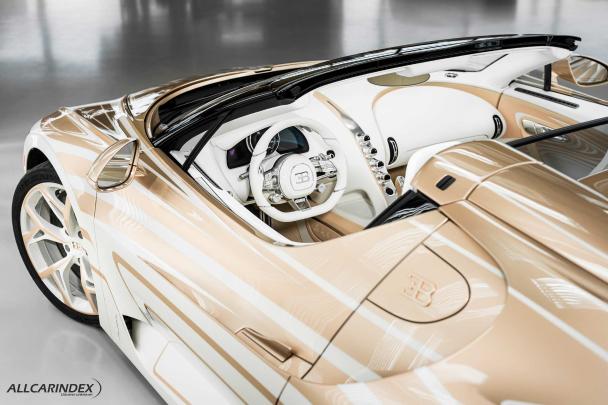
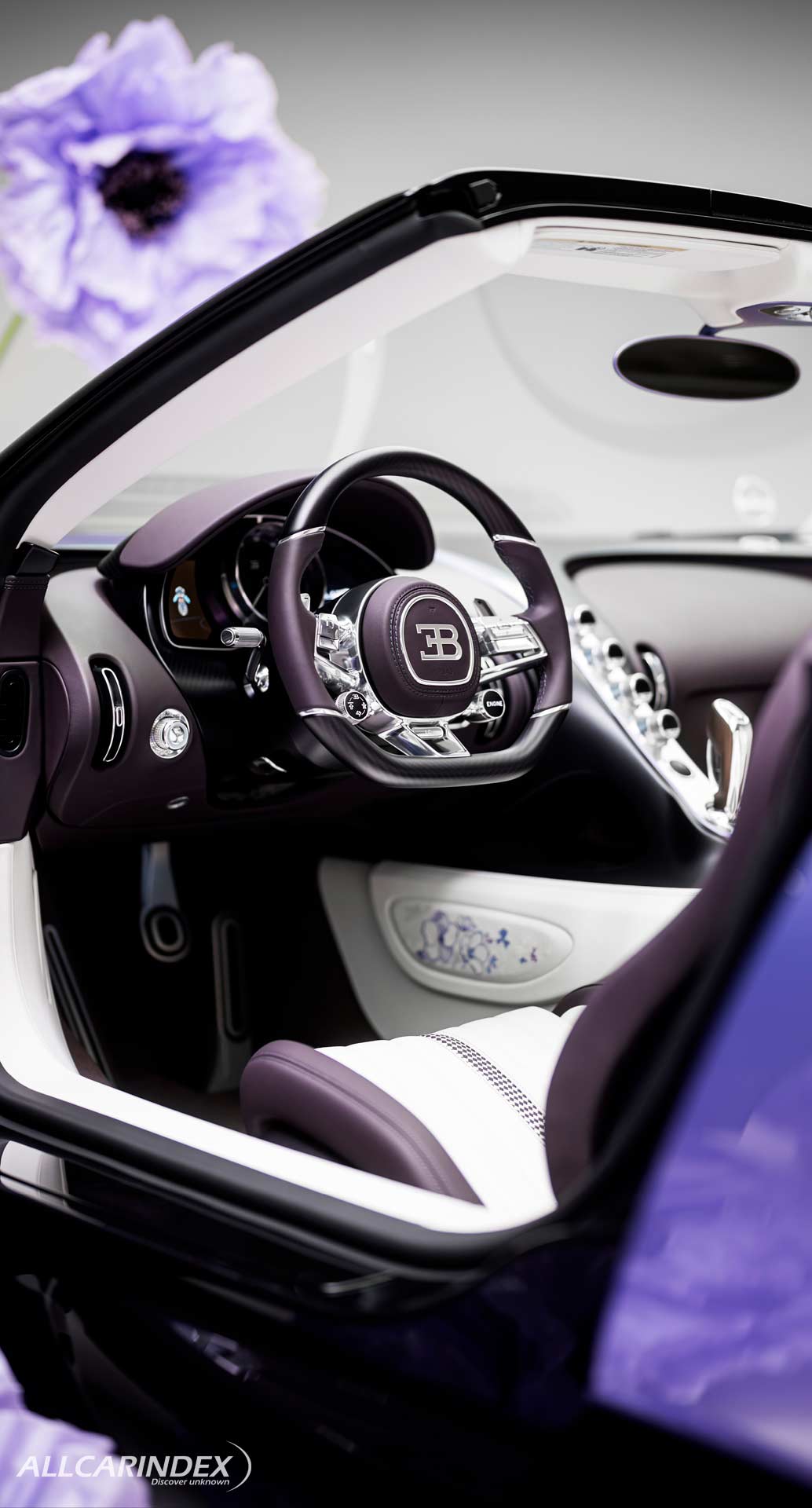
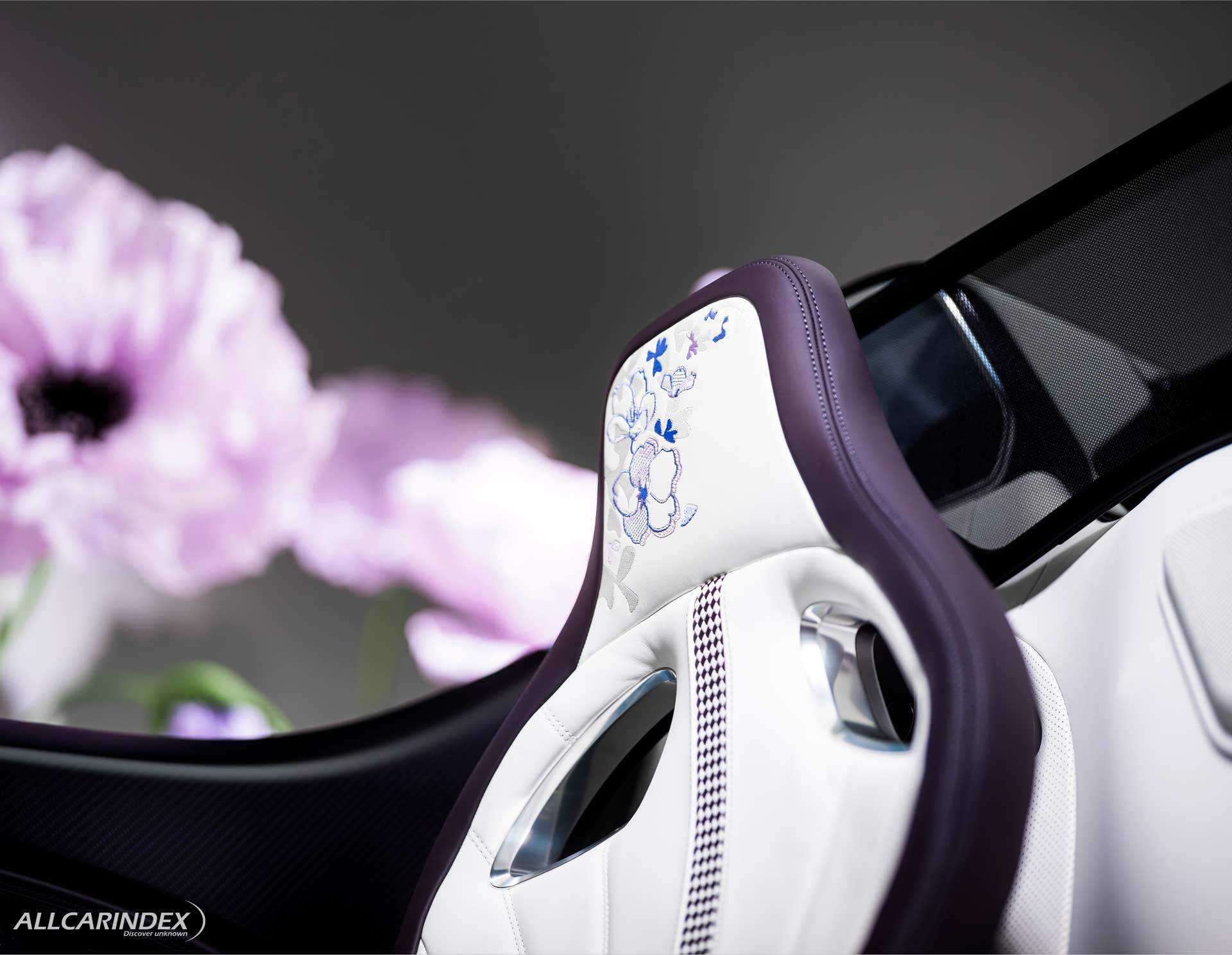
The cabin continues the same story without collapsing into thematic overkill. That is harder than it sounds. Plenty of bespoke interiors begin with restraint and end with embroidered chaos. Here, the palette of ‘Blanc’ and ‘Minuit’ leather, violet tones, and violet-tinted carbon seems to keep things coherent.
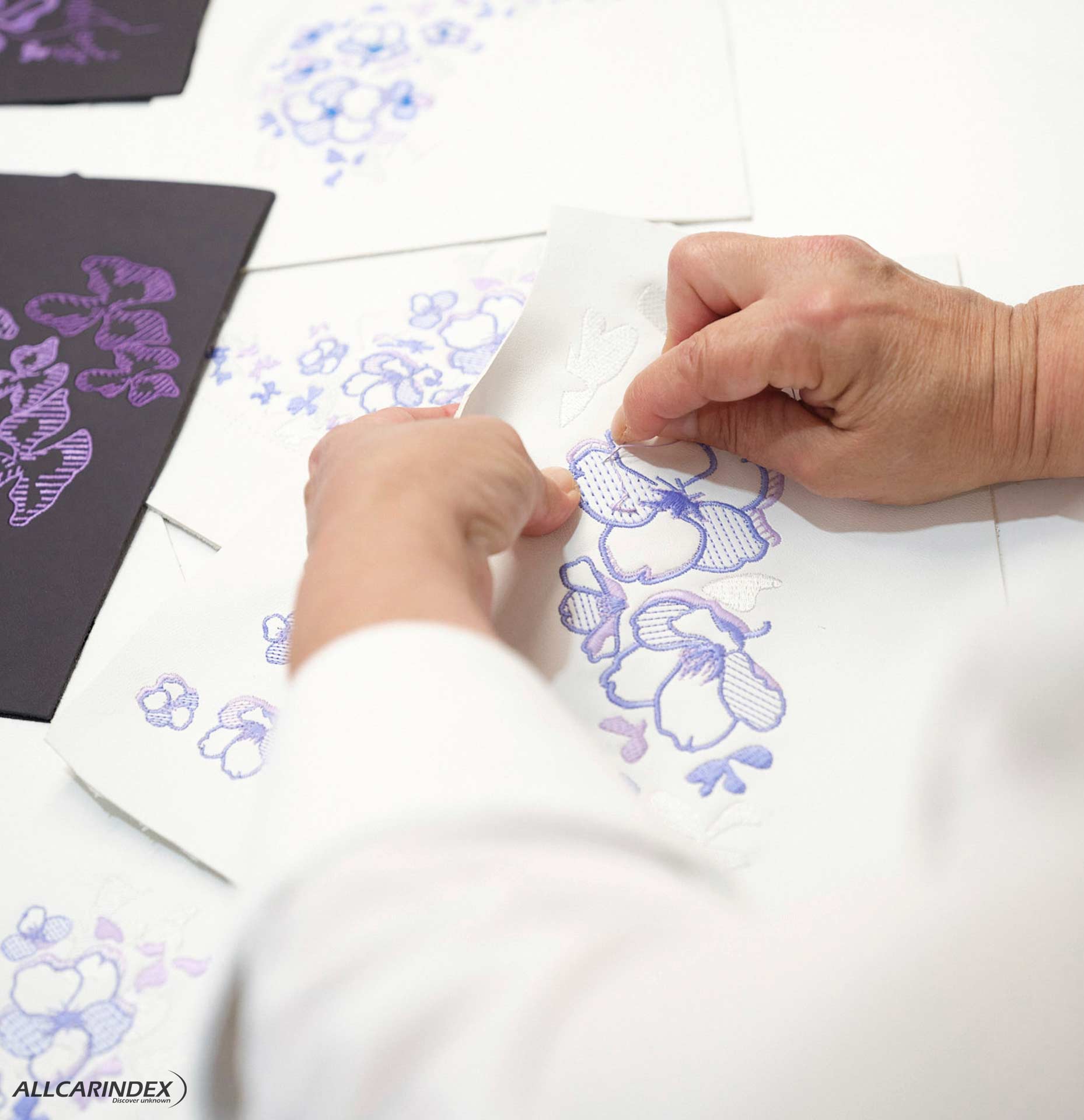
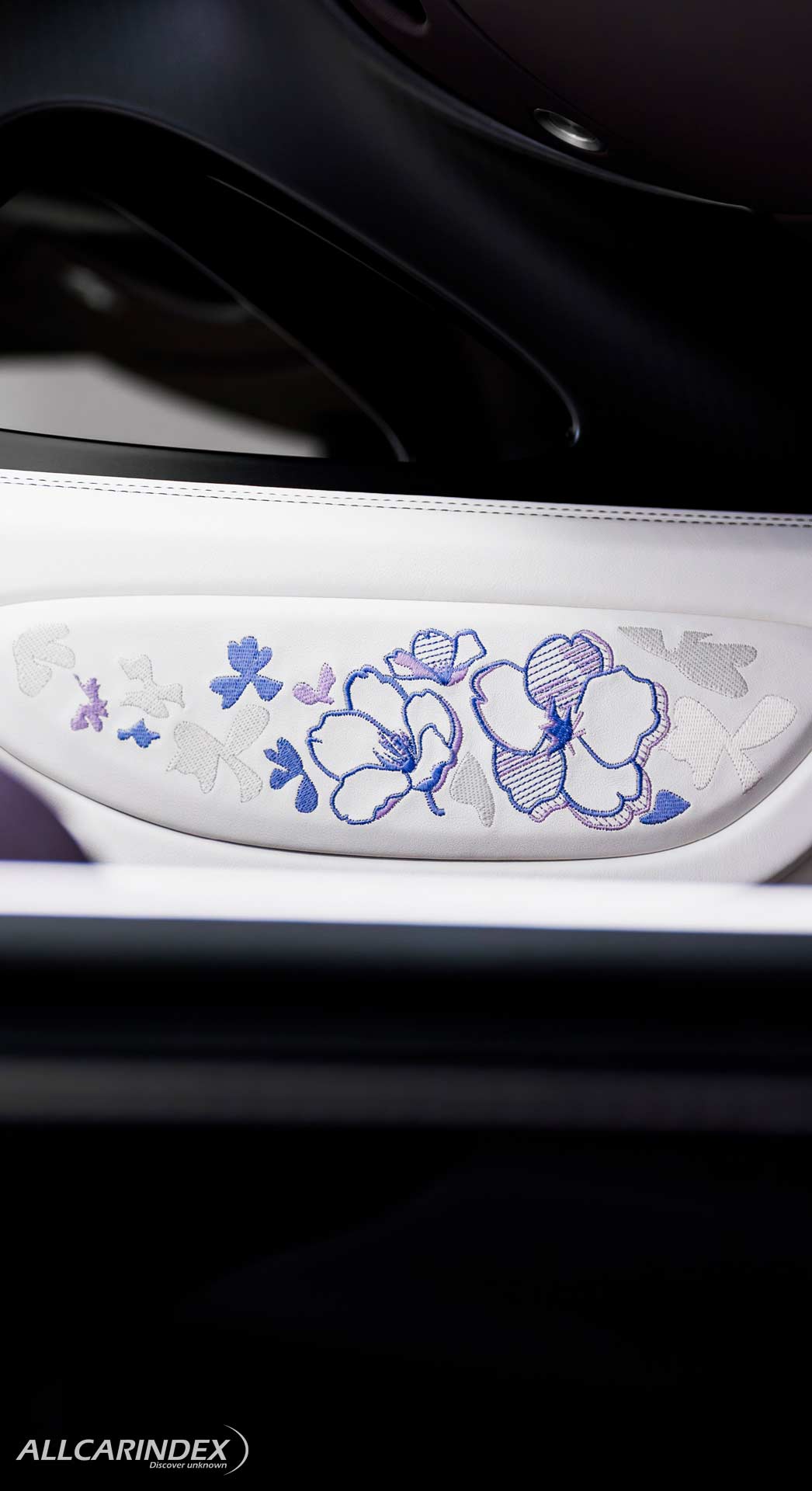
The headrests carry mirrored floral motifs, hand-stitched using layered embroidery techniques and, crucially, multiple tonal shifts. This matters because good embroidery in a car should not look like it came from an options catalogue or a luxury bathrobe. The best examples have relief, shadow, and a certain depth when viewed up close. It sounds as though that is what Bugatti was chasing here, using sketching, digital mapping, stitching, and extensive quality control to build something with proper visual complexity.
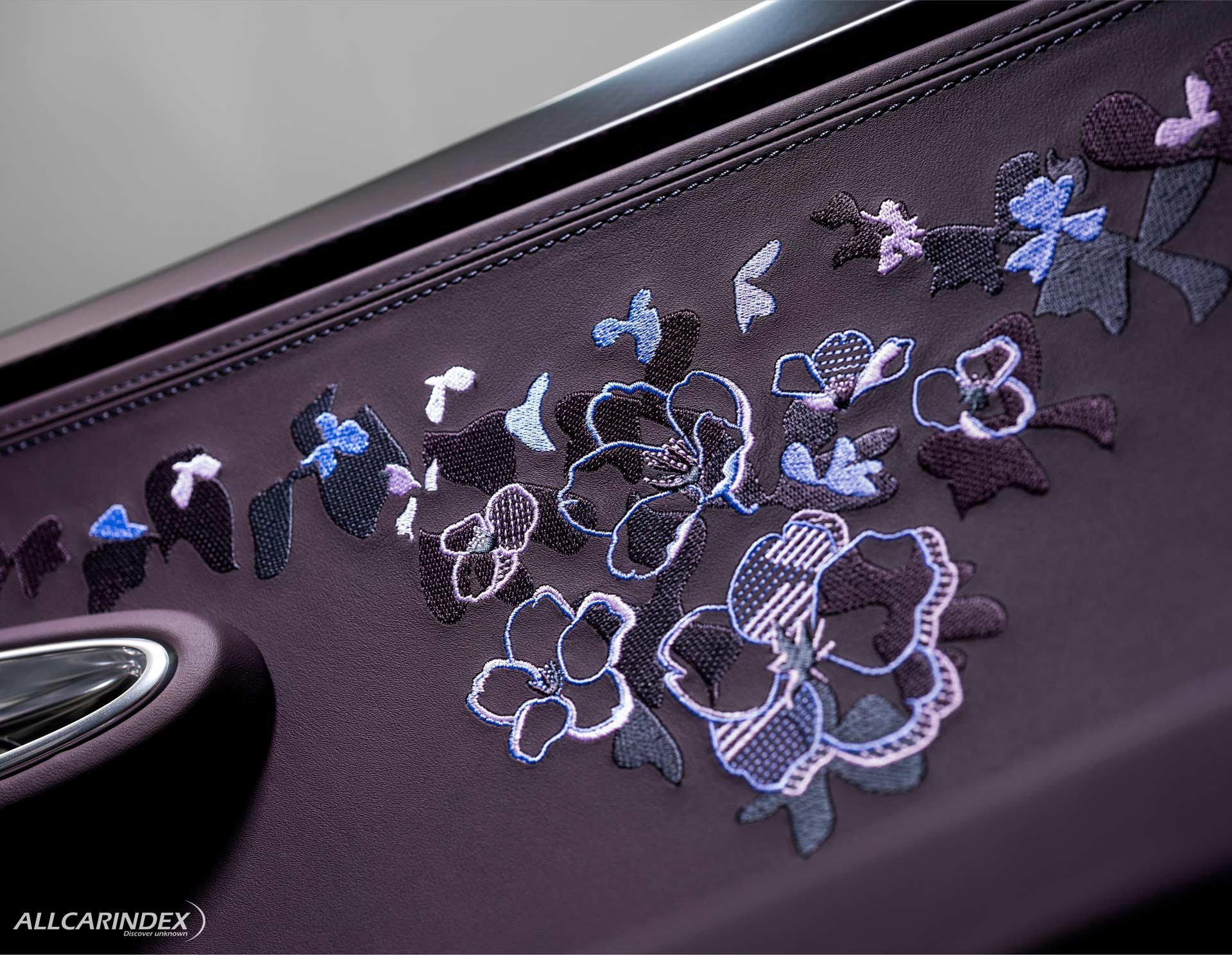
The door panels are even more interesting. Rather than repeating static floral emblems, the embroidery is said to create the sense of petals drifting in the wind. That could sound unbearably precious, but it neatly ties back into Bugatti’s own design language, which has always been obsessed with motion, airflow, and the way surfaces seem to pull the eye along the car. In that context, the flowers are not decoration slapped on top. They become another expression of movement.
That is the difference between ornament and design.
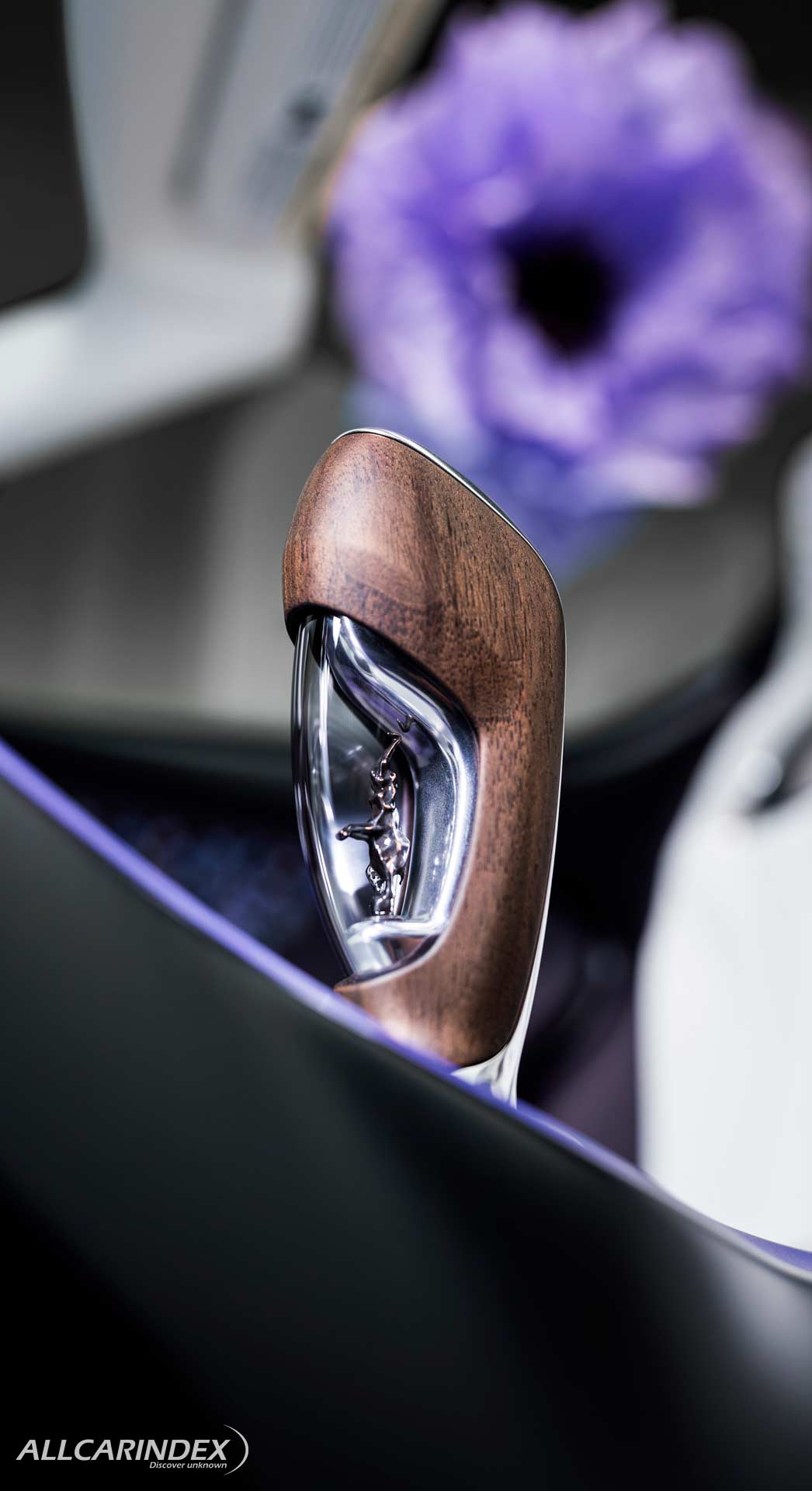
Then there is the gear selector, which houses Rembrandt Bugatti’s ‘Dancing Elephant’ under tinted glass. This is one of those Bugatti details that could easily be dismissed as house-style theatre, but it works here because it bridges the brand’s artistic lineage with the car’s violet-heavy interior theme. It is not subtle, exactly, but it is rooted in Bugatti history rather than added as a random luxury token.
Why this one matters beyond the owner
The easy reading of the W16 Mistral ‘Caroline’ is that it is a rich man’s sentimental one-off, exquisitely executed and largely irrelevant to everyone else. That would be missing the point.
Cars like this matter because they show what bespoke work looks like when it is driven by a clear emotional premise rather than status anxiety. The best Sur Mesure commissions are not the ones with the most visible effort. They are the ones where every detail appears to belong to the same universe. Here, the floral language changes scale and material depending on the surface, but never loses its identity. Paint, carbon, embroidery, and hand-painted aero all speak the same visual dialect.
That coherence is surprisingly rare.
It also reveals something useful about Bugatti’s current place in the world. The W16 era has often been defined by numbers: power, top speed, cylinder count, price, production totals. And fair enough, because the Veyron and Chiron rewrote the rules by using engineering excess as a philosophy. But the final act of that story, at least in this car, is not really about numbers at all. It is about texture, memory, craftsmanship, and the ability to turn impossible mechanical theatre into something personal.
In other words, the last W16 is ending not with a bang, but with embroidery, lavender, and a daughter’s name painted into an air brake.
Which is somehow even more dramatic.
A Bugatti for people who look twice
For enthusiasts, the obvious fascination is the context. The Mistral is the end-of-era open-top Bugatti, the final roadgoing flourish of an engine that became a modern myth. For the more obsessive sort of car person, the ones who care about obscure trim codes, one-off paint processes, and the politics of coachbuilt modern specials, ‘Caroline’ is catnip because it gets the hard thing right: restraint inside extravagance.
It would have been easy to make this car louder. More contrast, more gold, more carbon, more statements. Instead, Bugatti has produced something unusually delicate for a machine of such ludicrous capability. Not soft in the sense of diluted, but soft in the sense of controlled. It knows exactly what it wants to be.
And that, more than the horsepower or the provenance, is what makes the W16 Mistral ‘Caroline’ stick in the mind.
It is not merely the last of a mighty bloodline. It is proof that even at the manic outer edge of hypercar culture, where everything is usually quantified, someone can still commission a car around feeling.
A flower-themed, lavender-toned, hand-painted, elephant-topped tribute car with a quad-turbo W16 should not work.
But this one rather beautifully does.