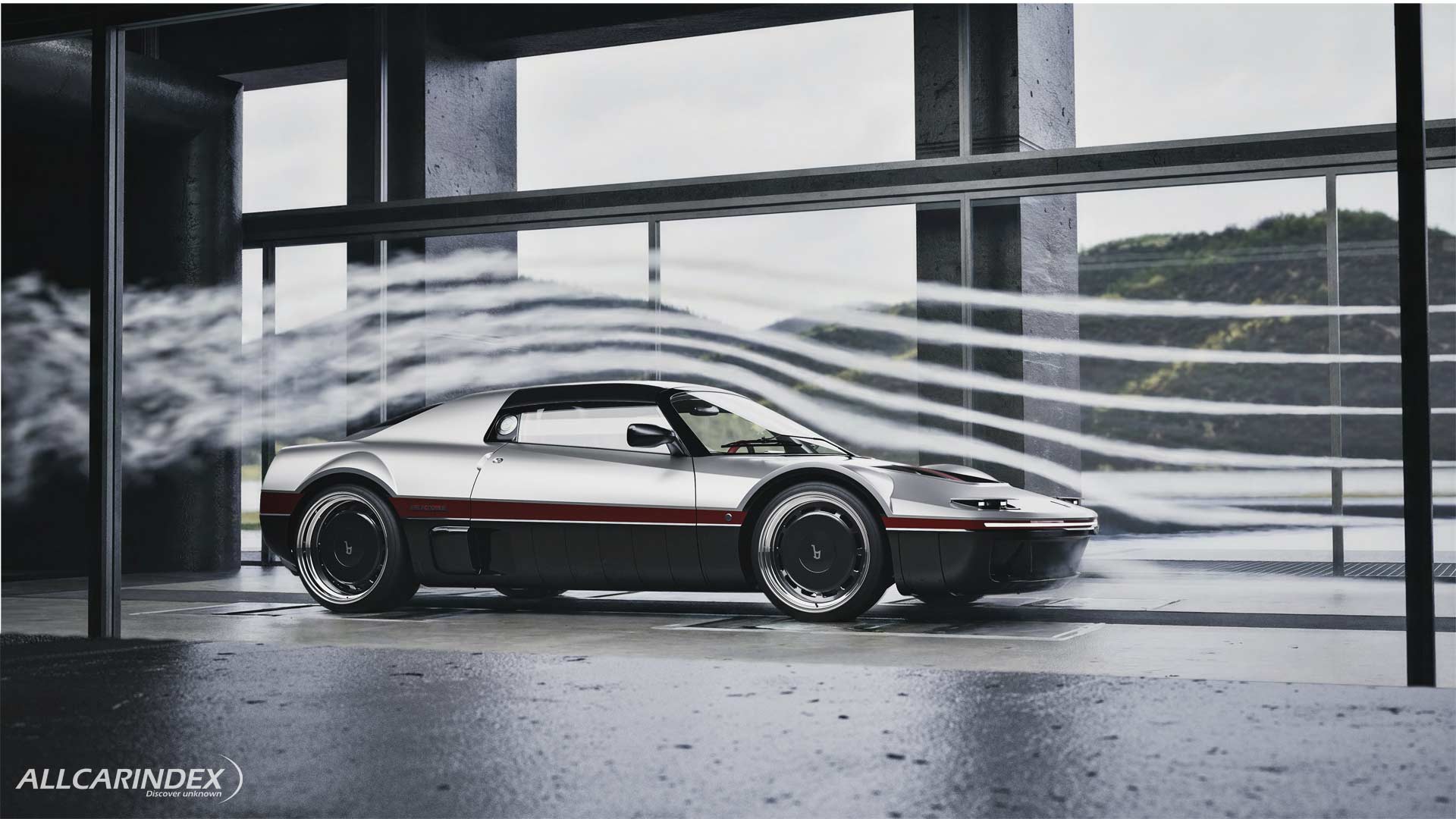
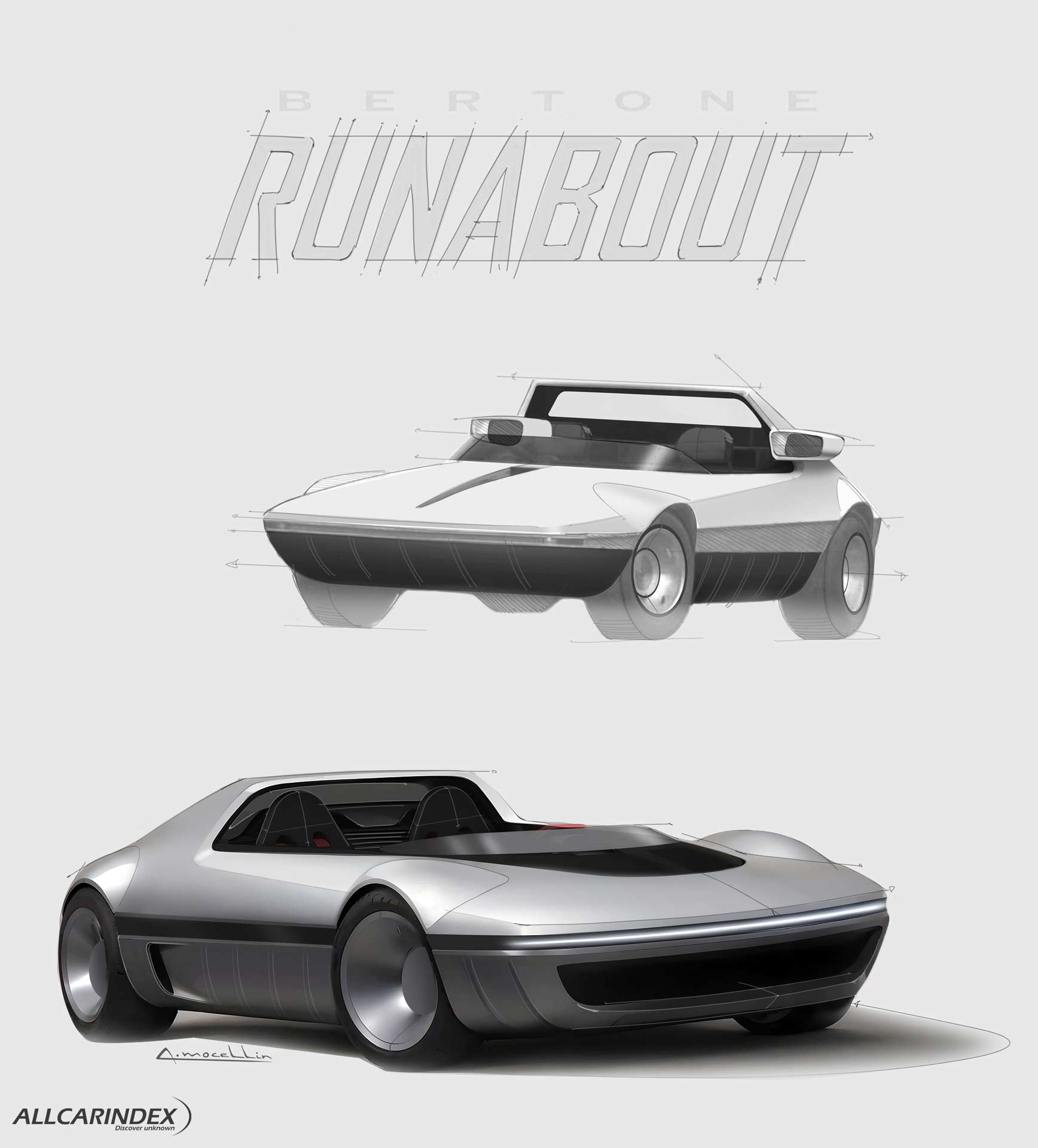
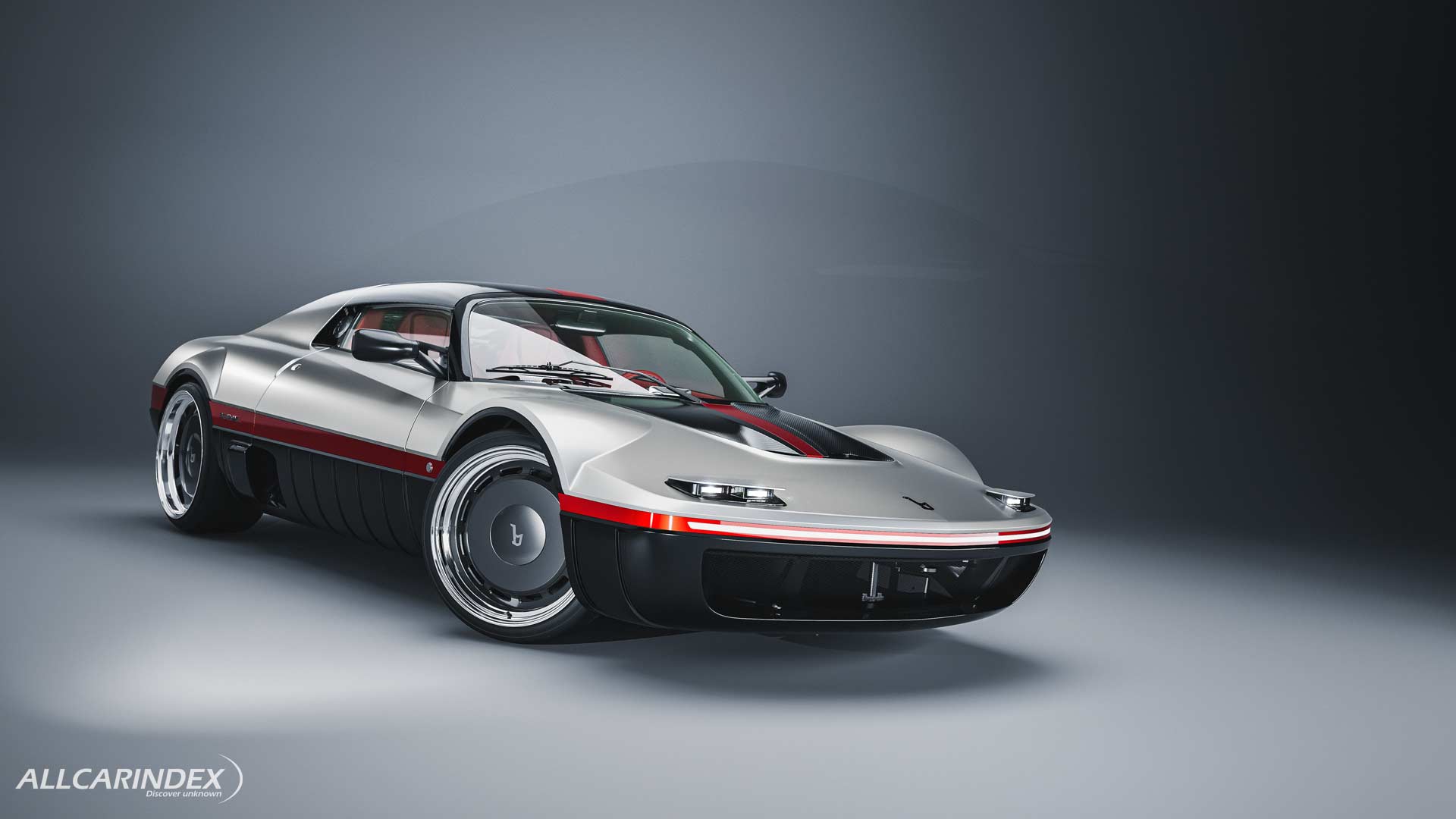
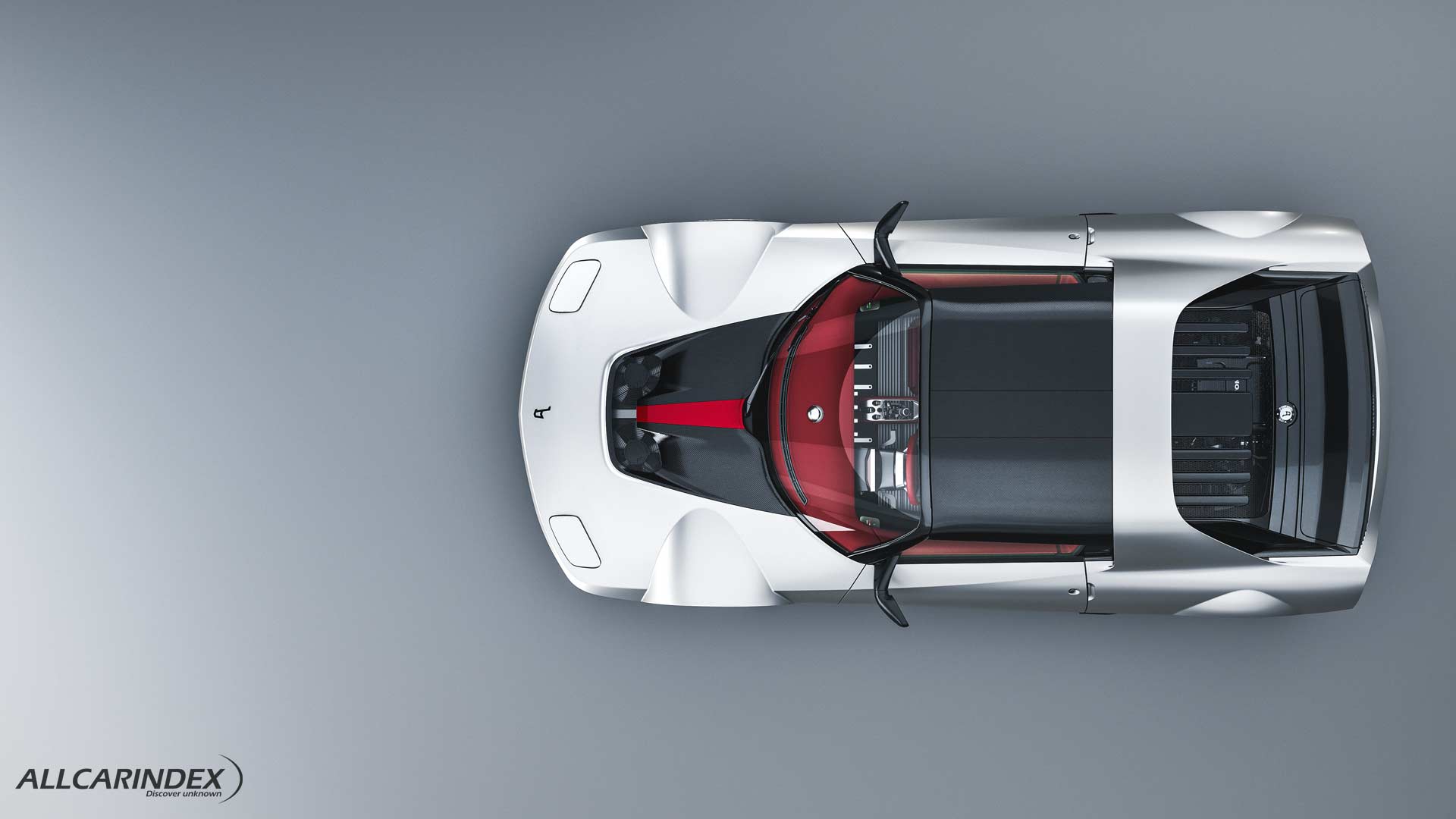
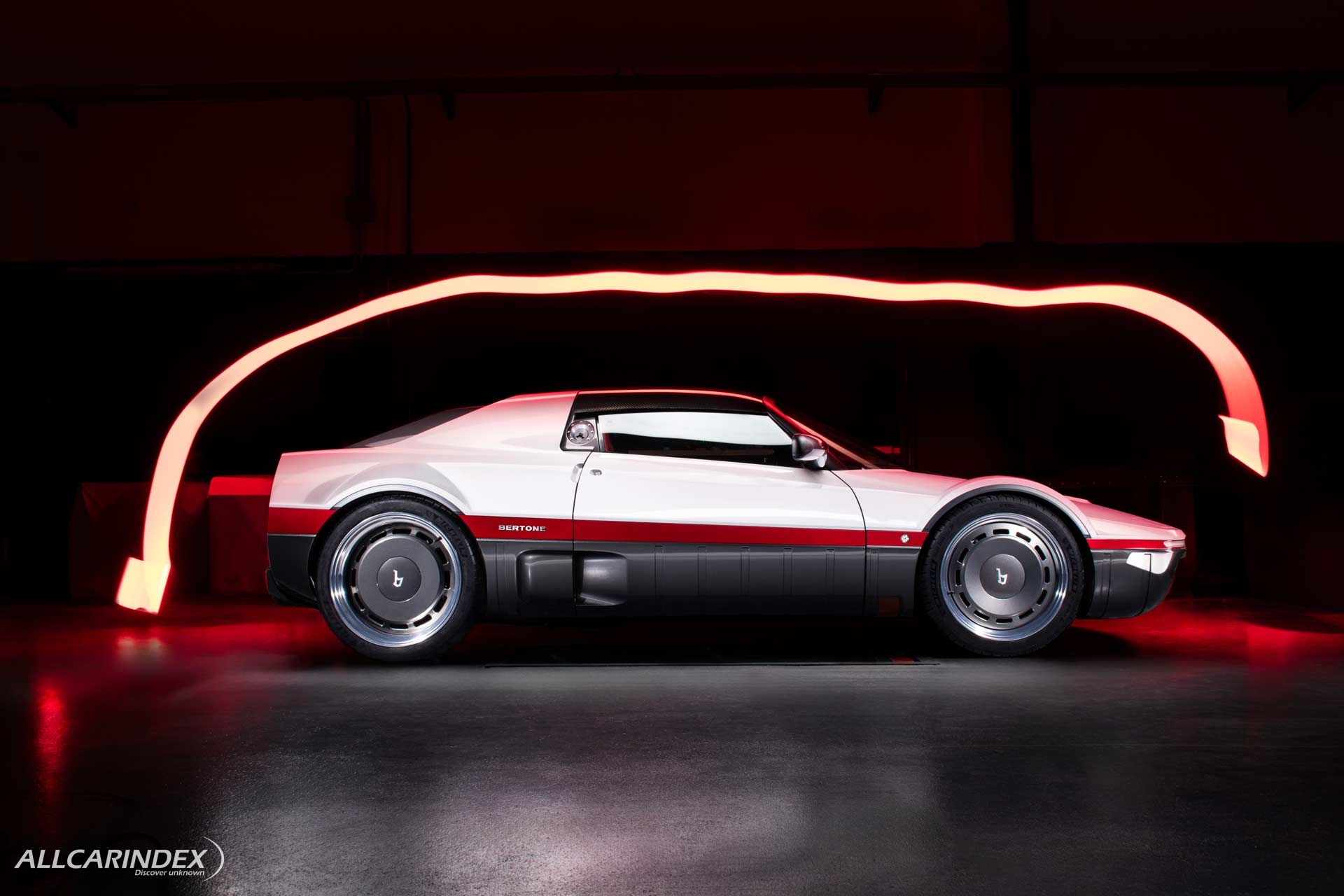
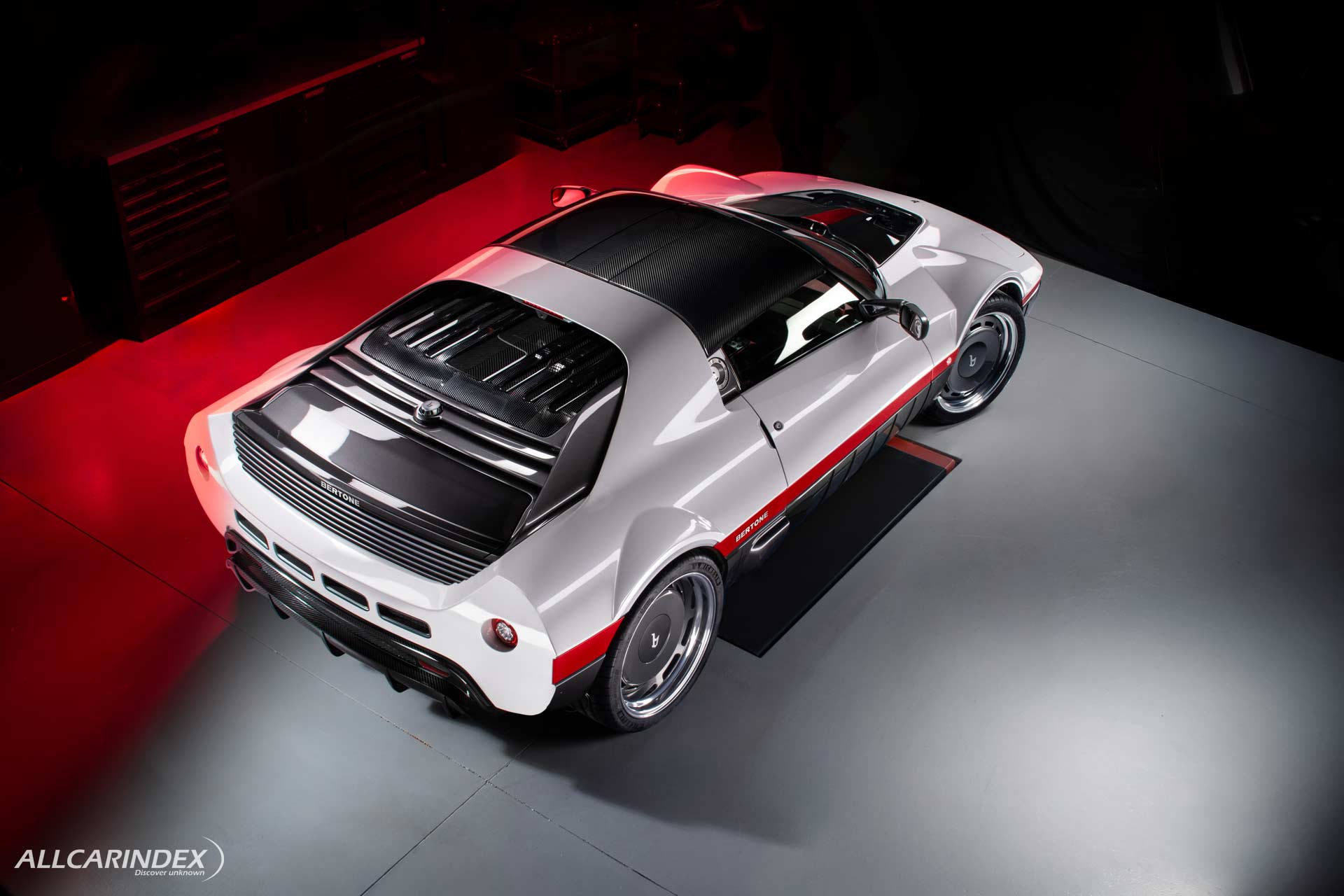
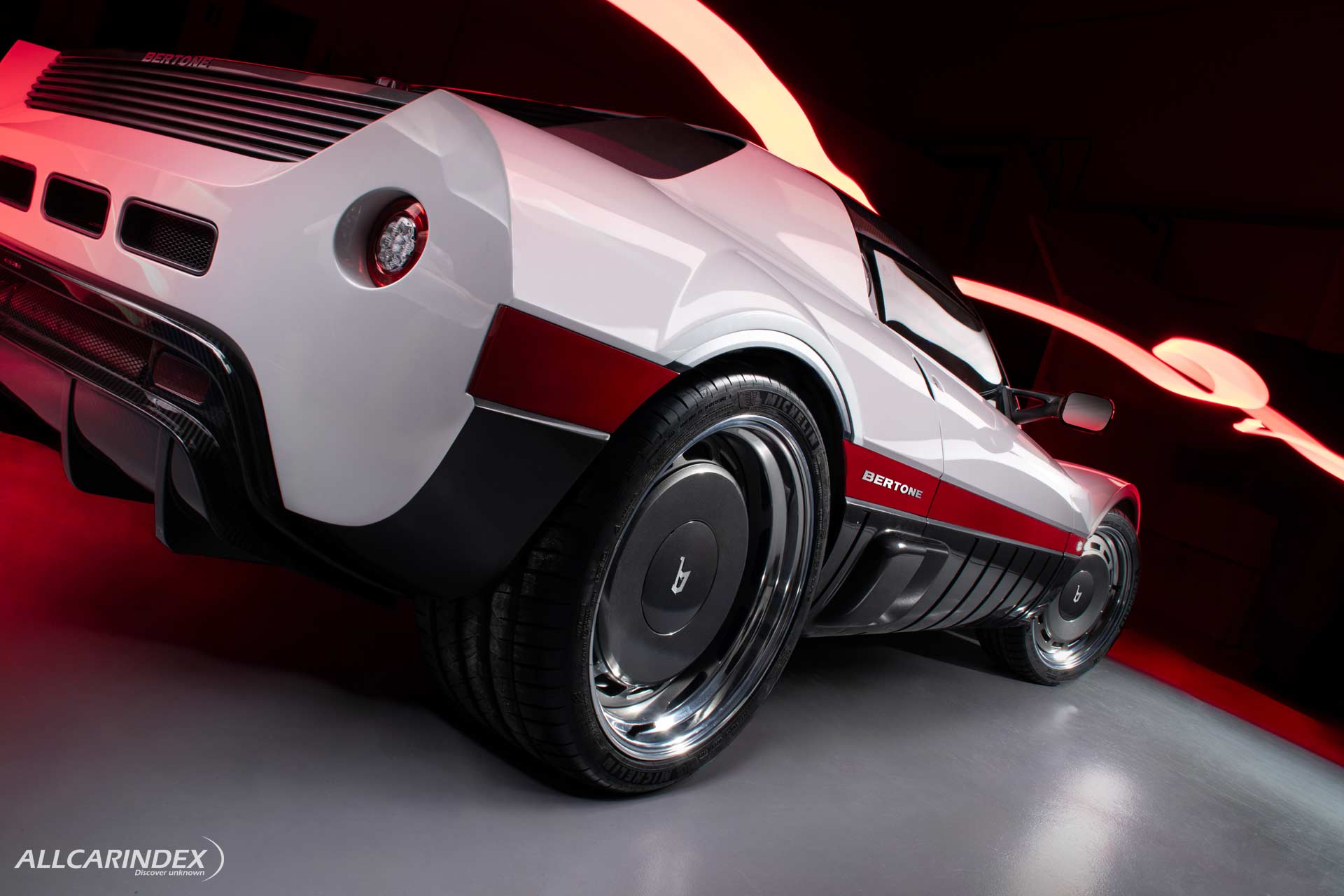
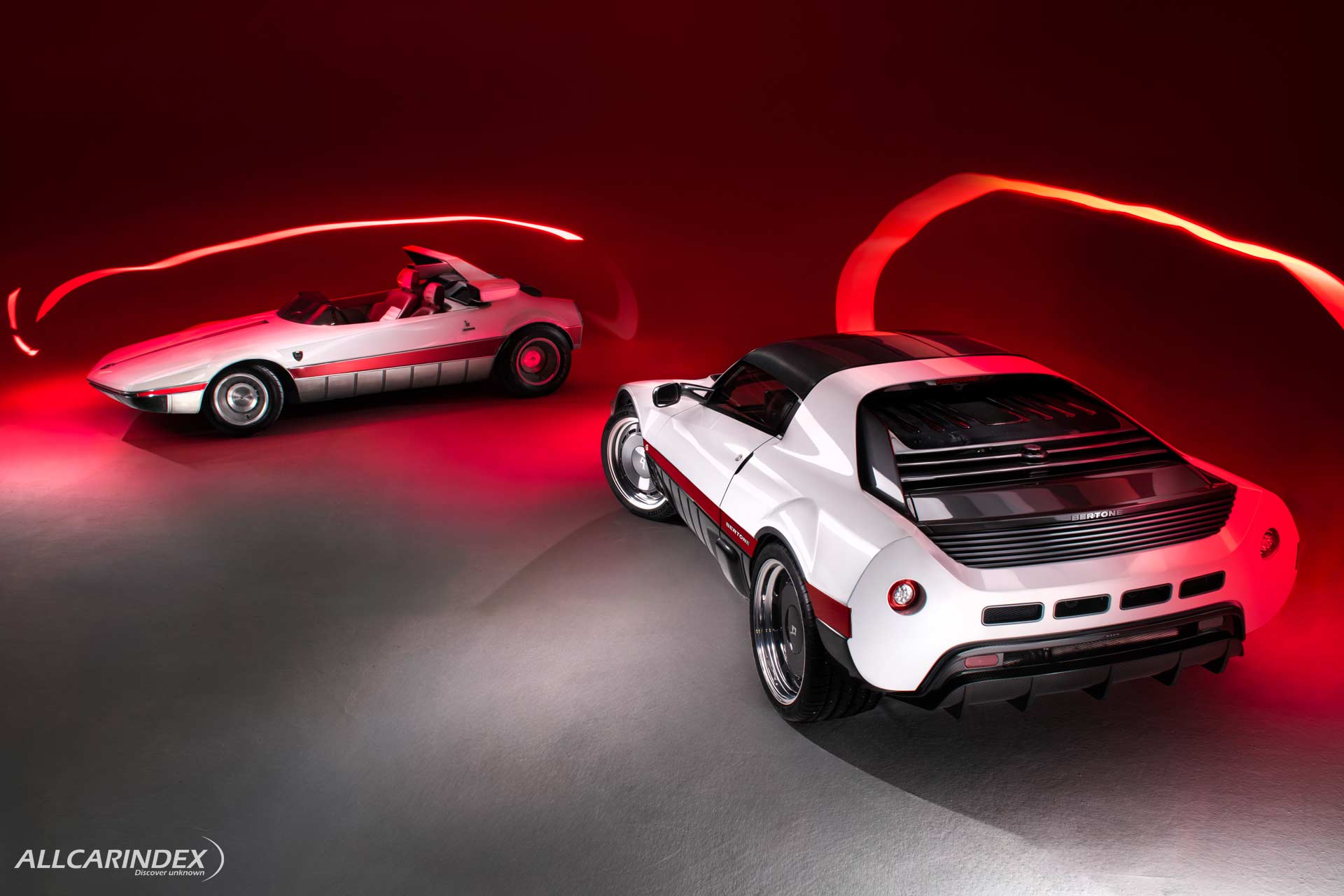
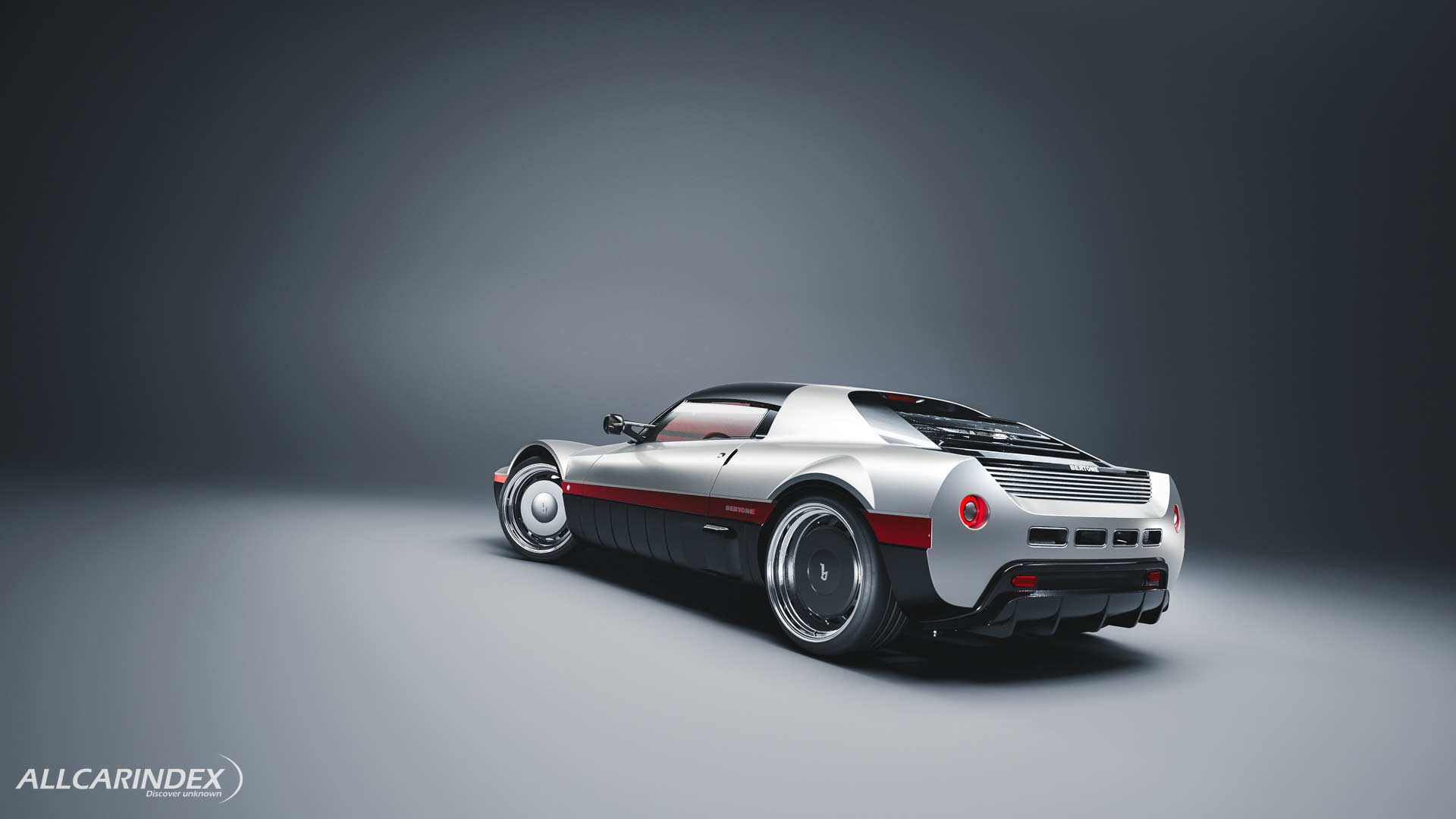
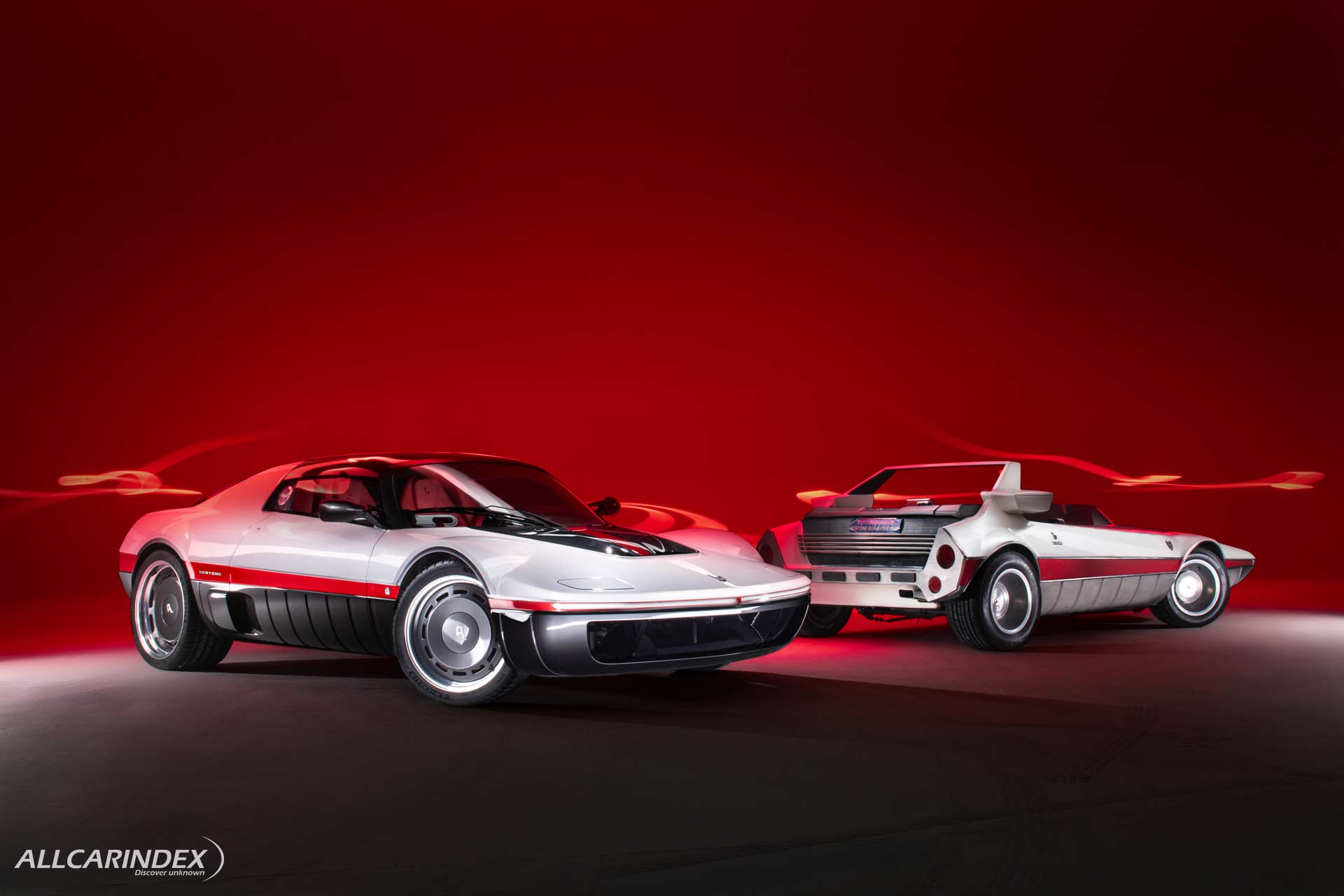
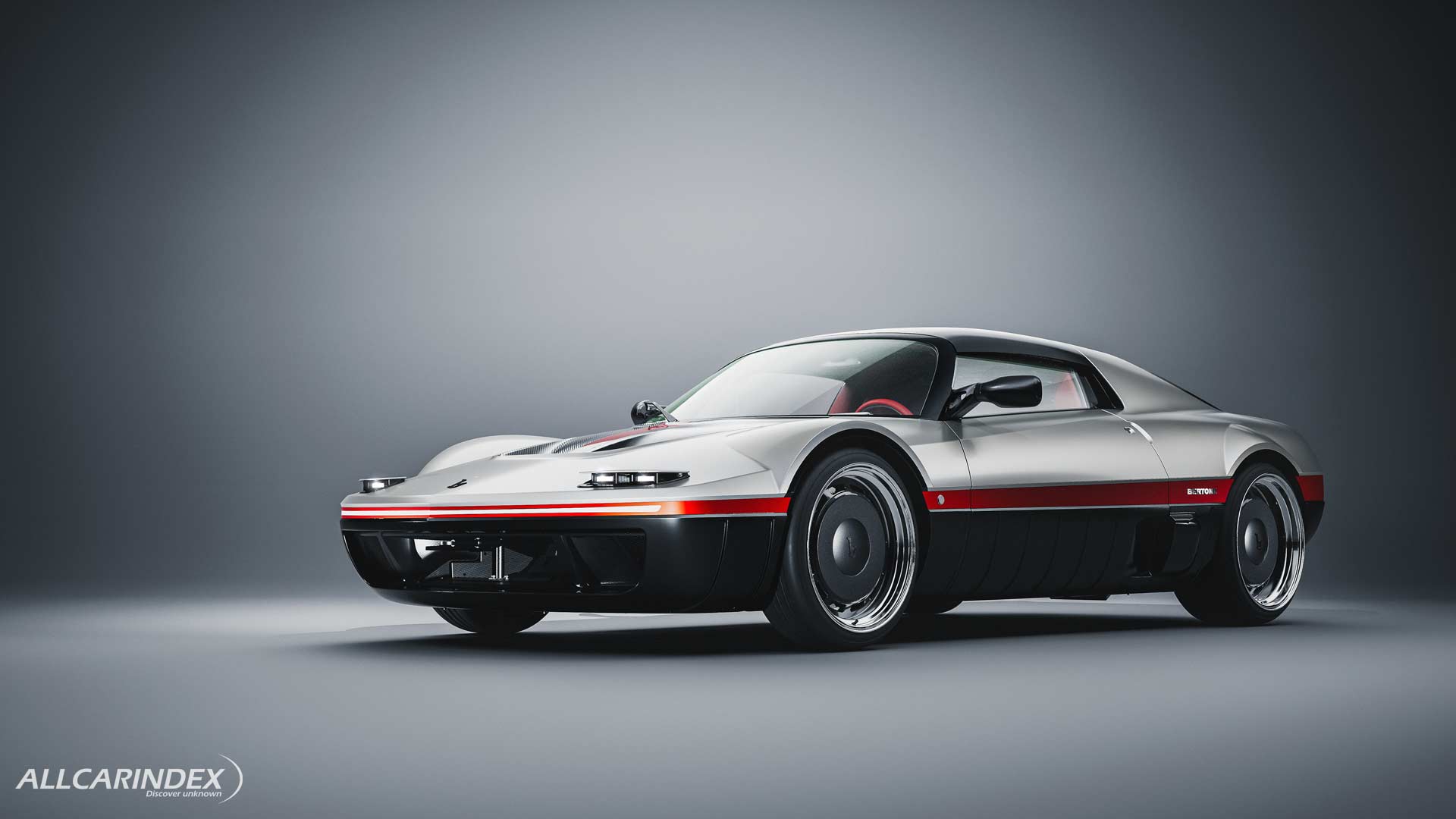
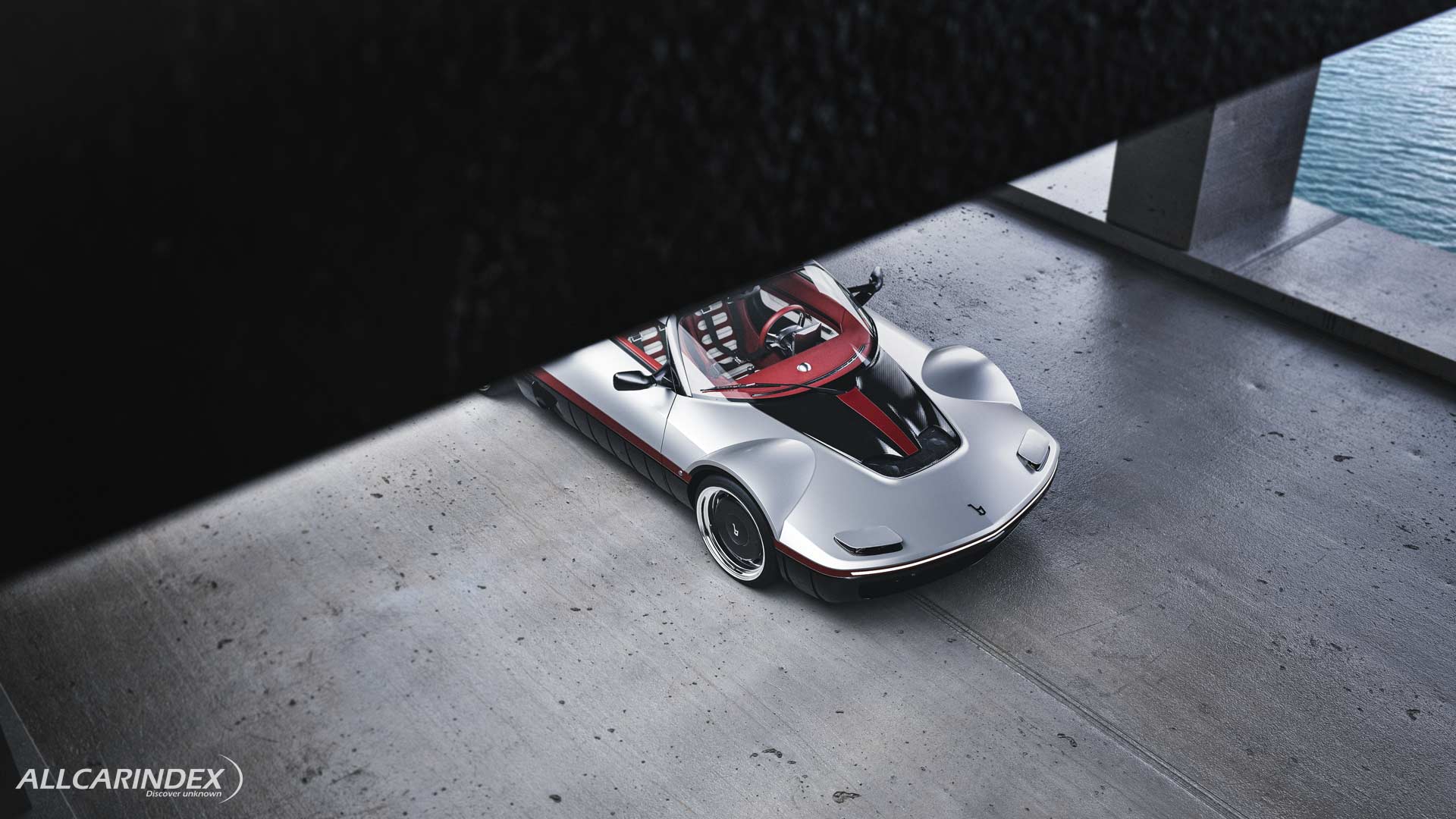

At Rétromobile 2026 in Paris, Italian design house Bertone presents the new Runabout, a contemporary reinterpretation of its 1969 concept car. The limited-production sports car marks the first model in Bertone's Classic Line, combining historic design principles with modern engineering.
Historical Context and Design Philosophy
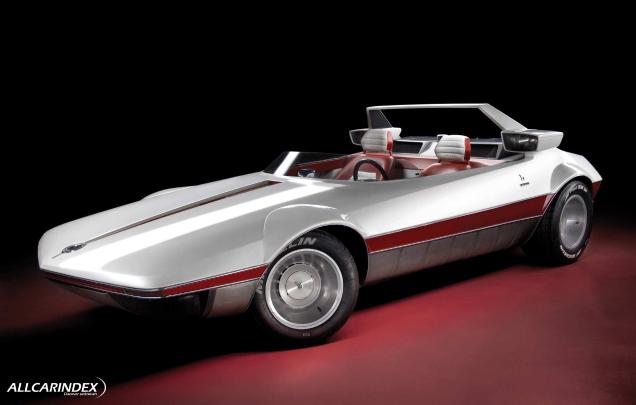
The original Runabout emerged in 1969 during a period of experimentation at Bertone's Centro Stile. Under Nuccio Bertone's direction, the concept explored freedom of form and proportion, breaking from mainstream automotive conventions of that era. The design embodied sculptural simplicity and openness, with strong nautical influences.
The 2026 version honors this heritage while establishing a modern architectural language. Design lead Andrea Mocellin and his team focus on translating the spirit of the original rather than replicating its styling. Two defining elements structure the design: the forward-leaning wedge line and the coda tronca (truncated tail), both principles rooted in Italian automotive culture from the original concept's period.
Body Configurations: Barchetta and Targa
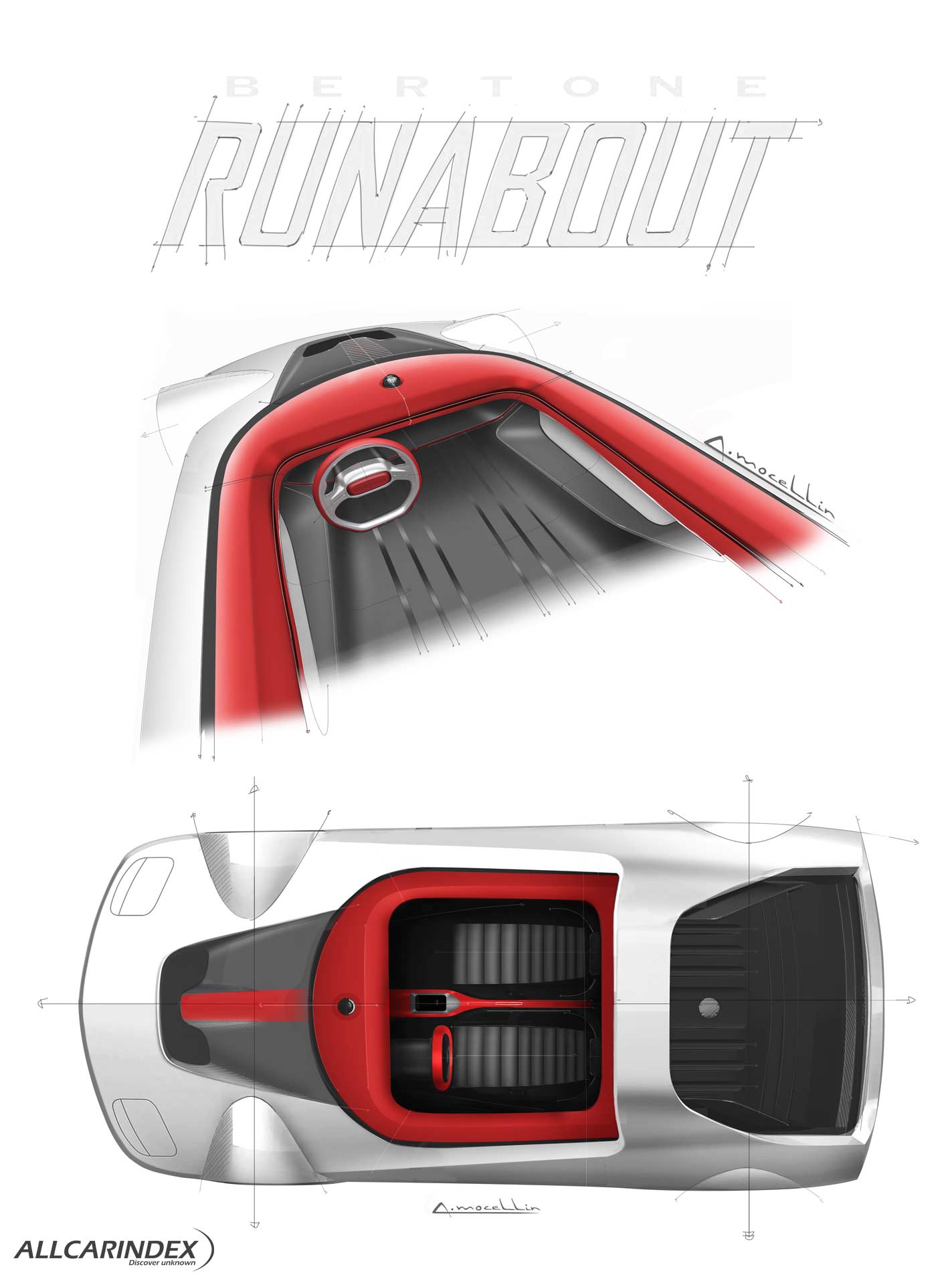
Bertone offers the Runabout in two distinct body interpretations that share identical proportions and geometry. The Barchetta represents the purest expression—a fully open roadster that maintains uninterrupted visual flow between exterior and interior. This configuration emphasizes driver exposure to the environment and recalls the directness of the 1969 concept.
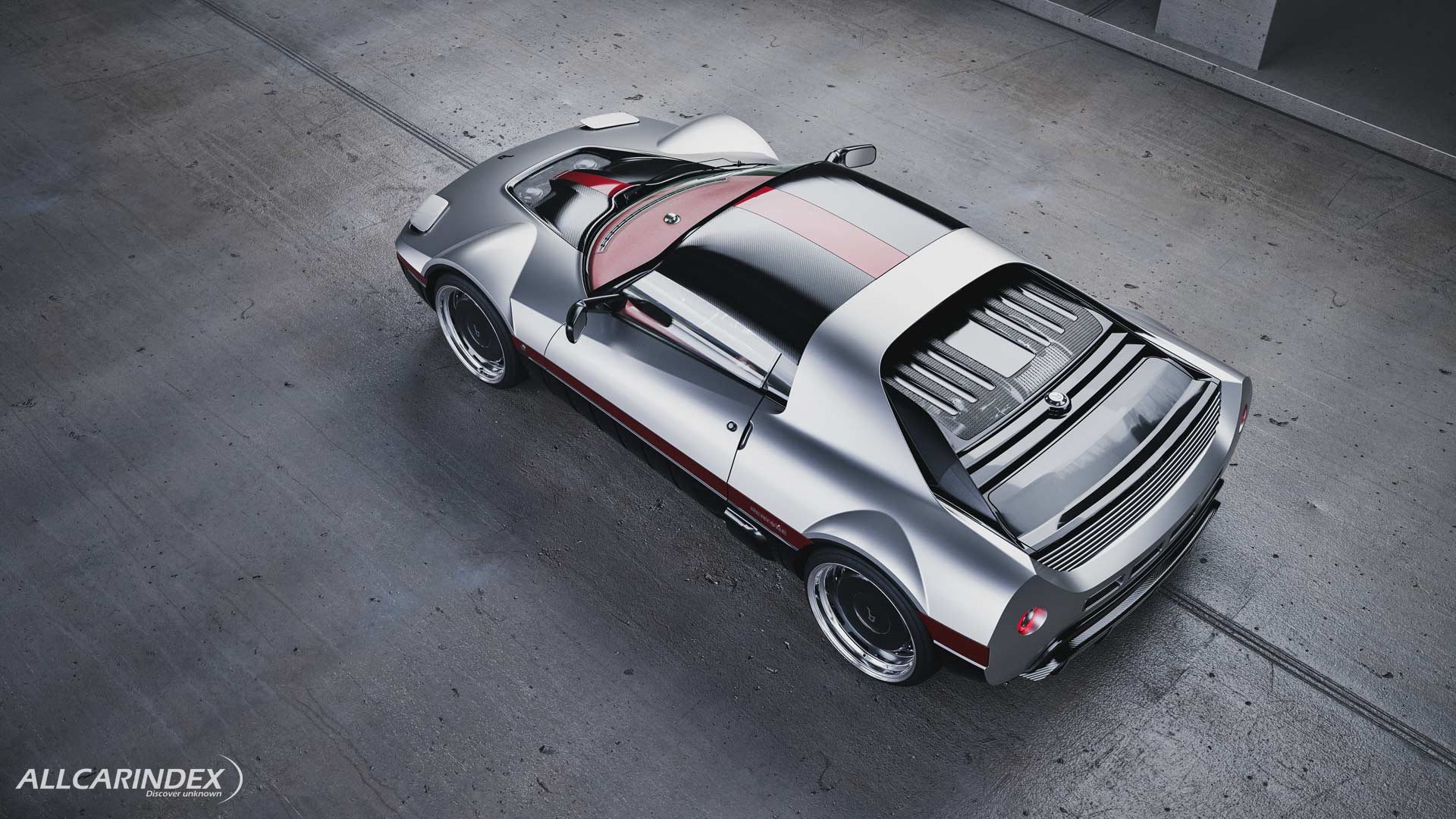
The Targa variant introduces a removable carbon fiber roof panel while preserving the wedge silhouette. This configuration adds functional versatility without compromising the car's architectural clarity, allowing owners to alternate between open and closed driving experiences.
Exterior Design and Construction
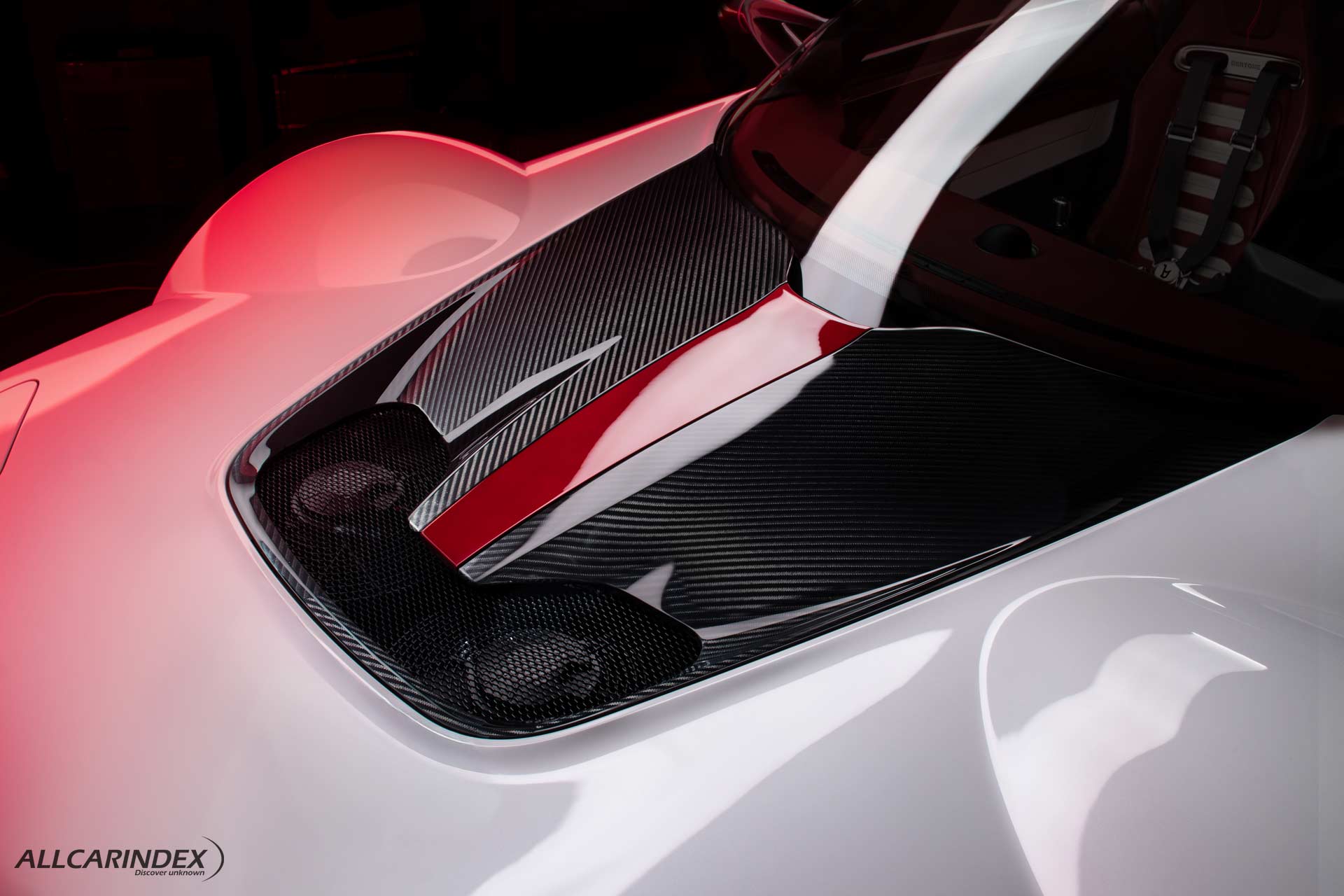
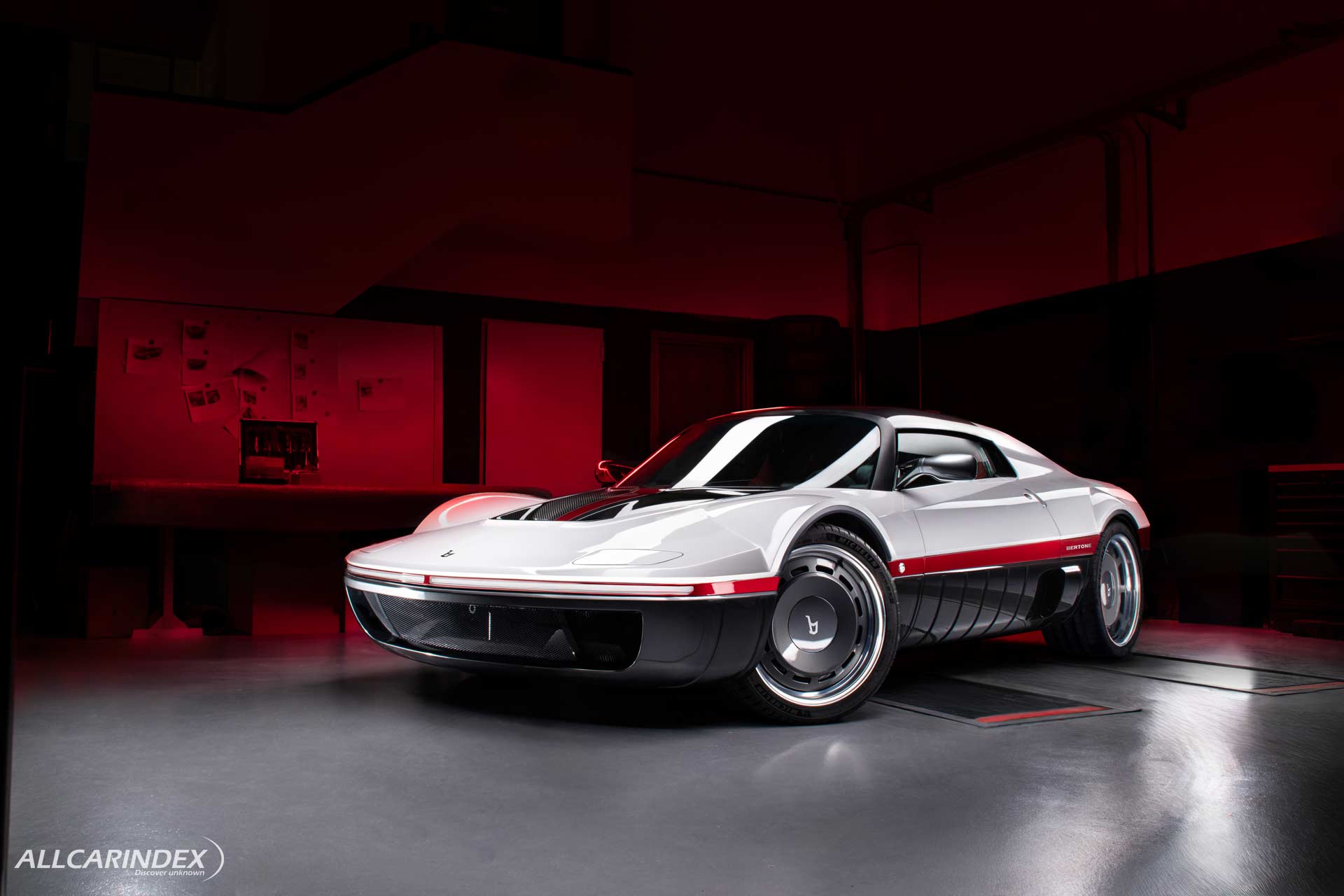
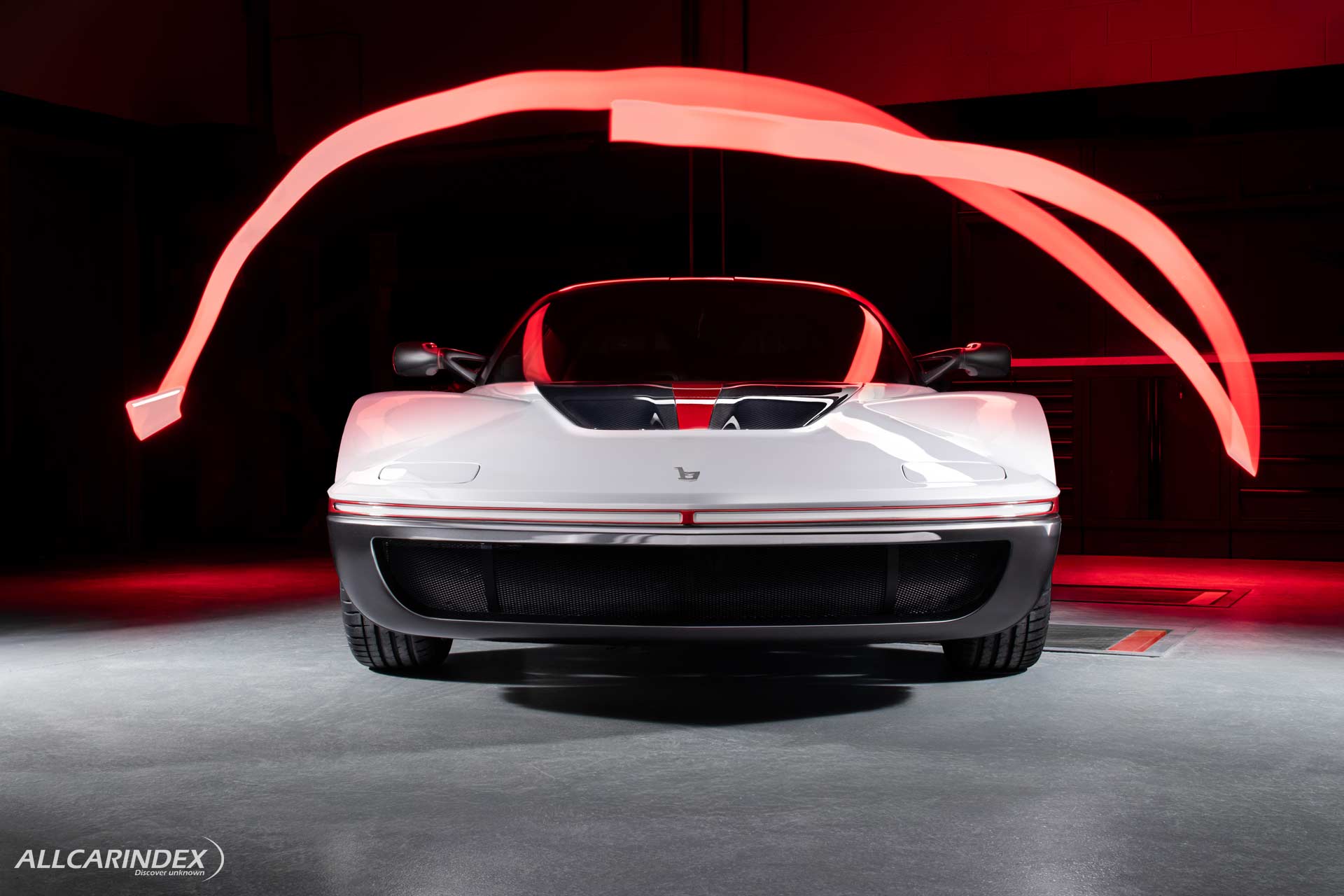
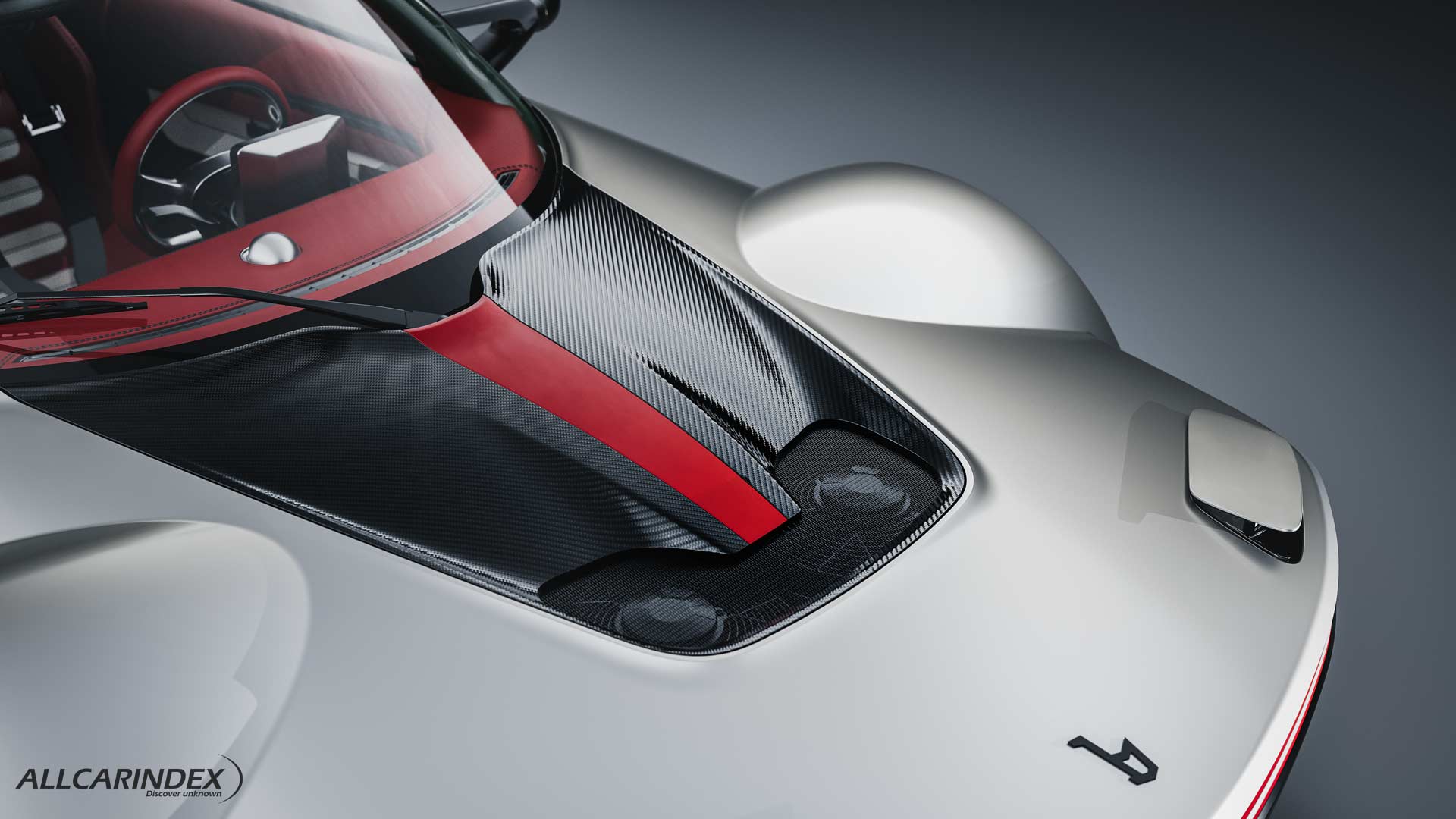
The bodywork features extensive carbon fiber construction integrated with a lightweight bonded aluminum chassis built from extruded aluminum architecture. At the front, an integrated S-duct manages airflow for cooling efficiency and aerodynamic balance. Reinterpreted pop-up headlights reference classic design elements within contemporary surfacing, while a continuous horizontal element connects the sculpted fenders.
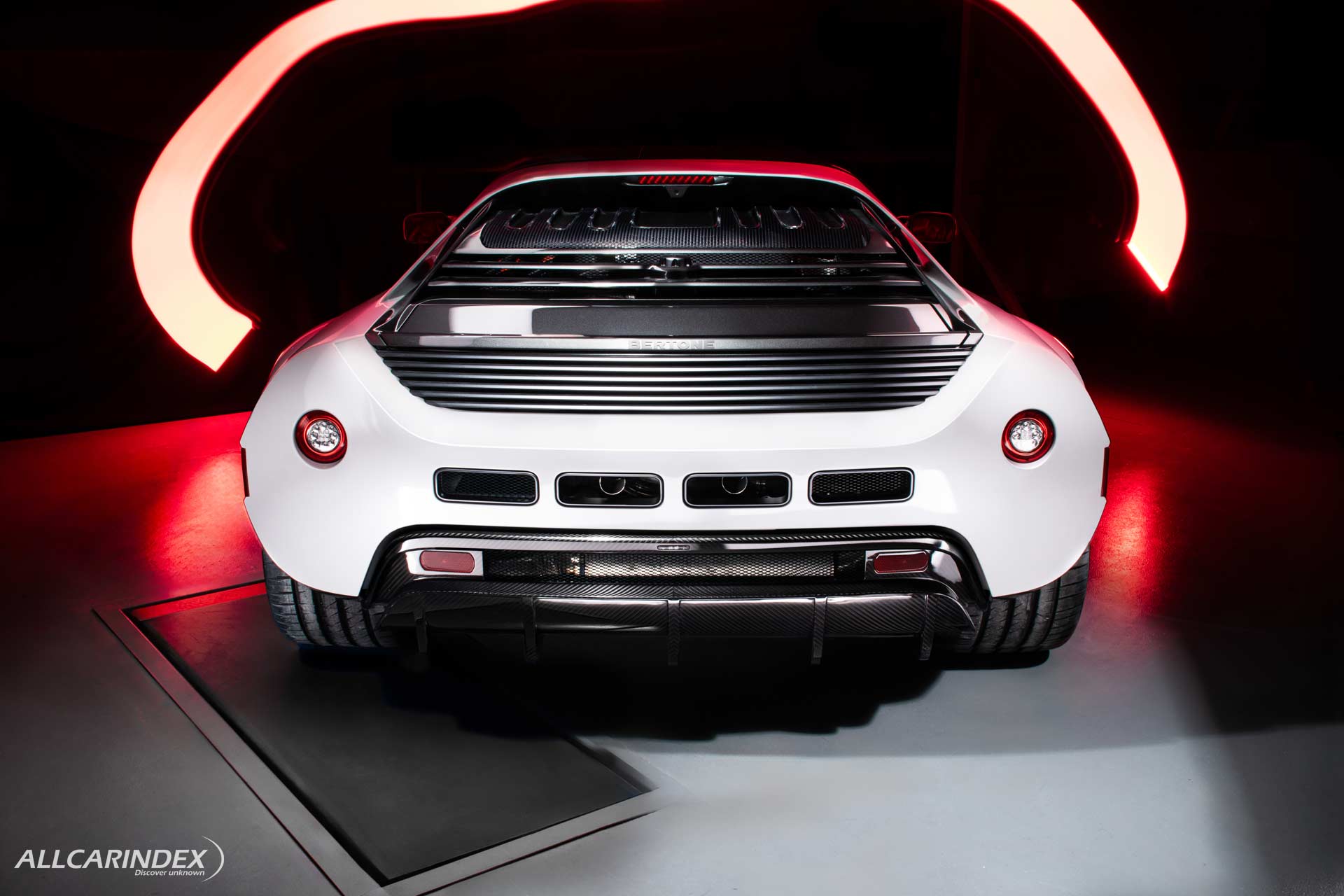
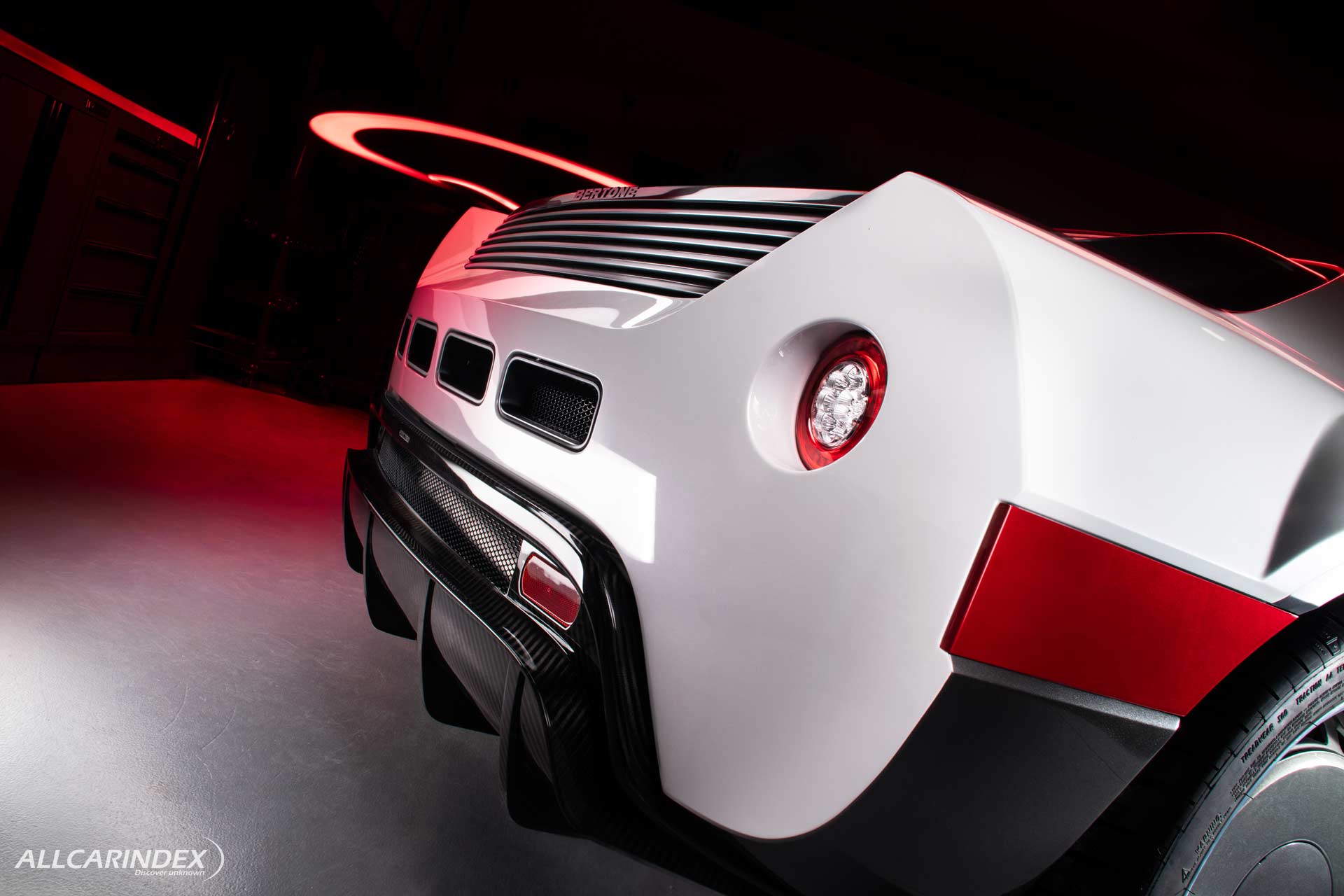
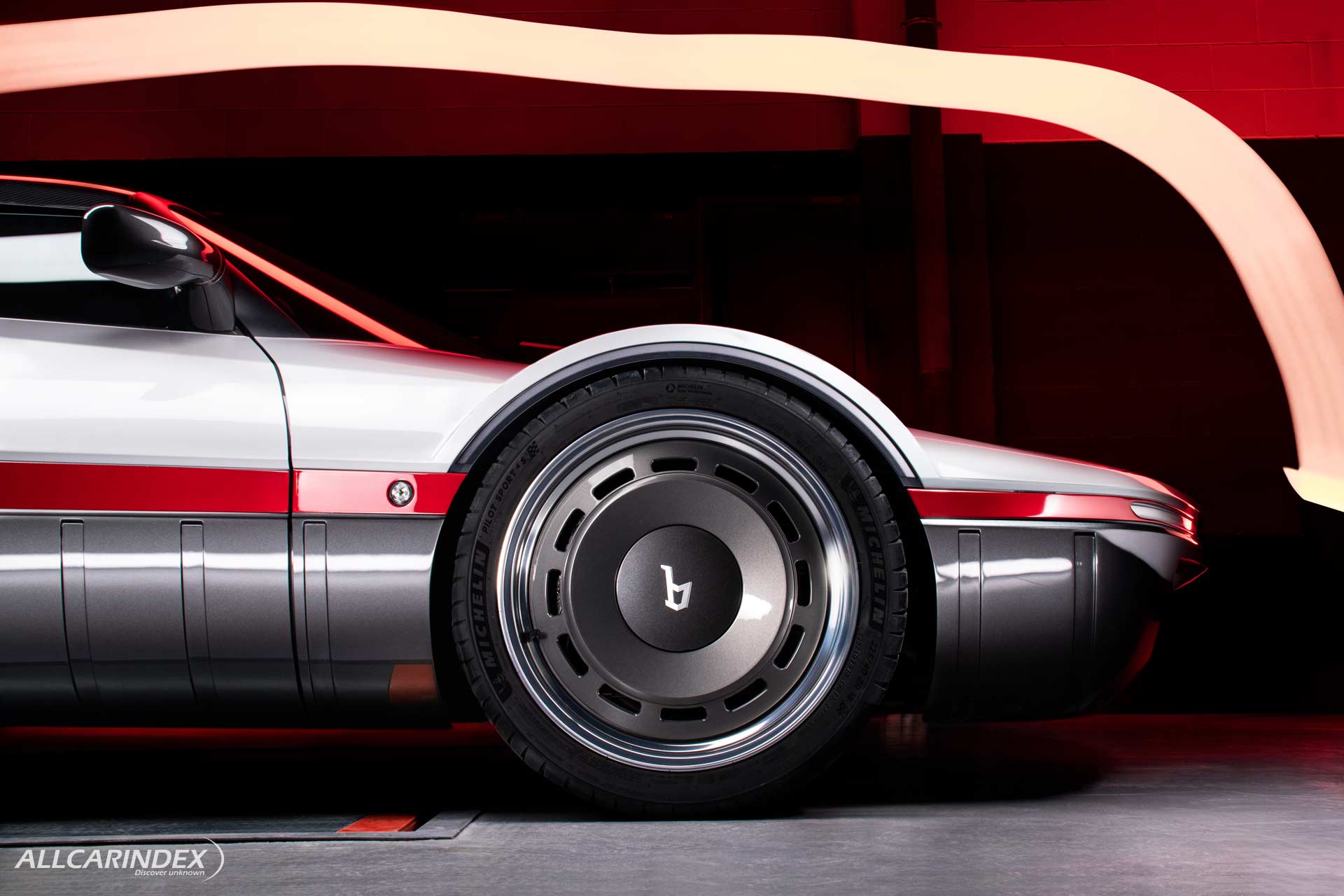
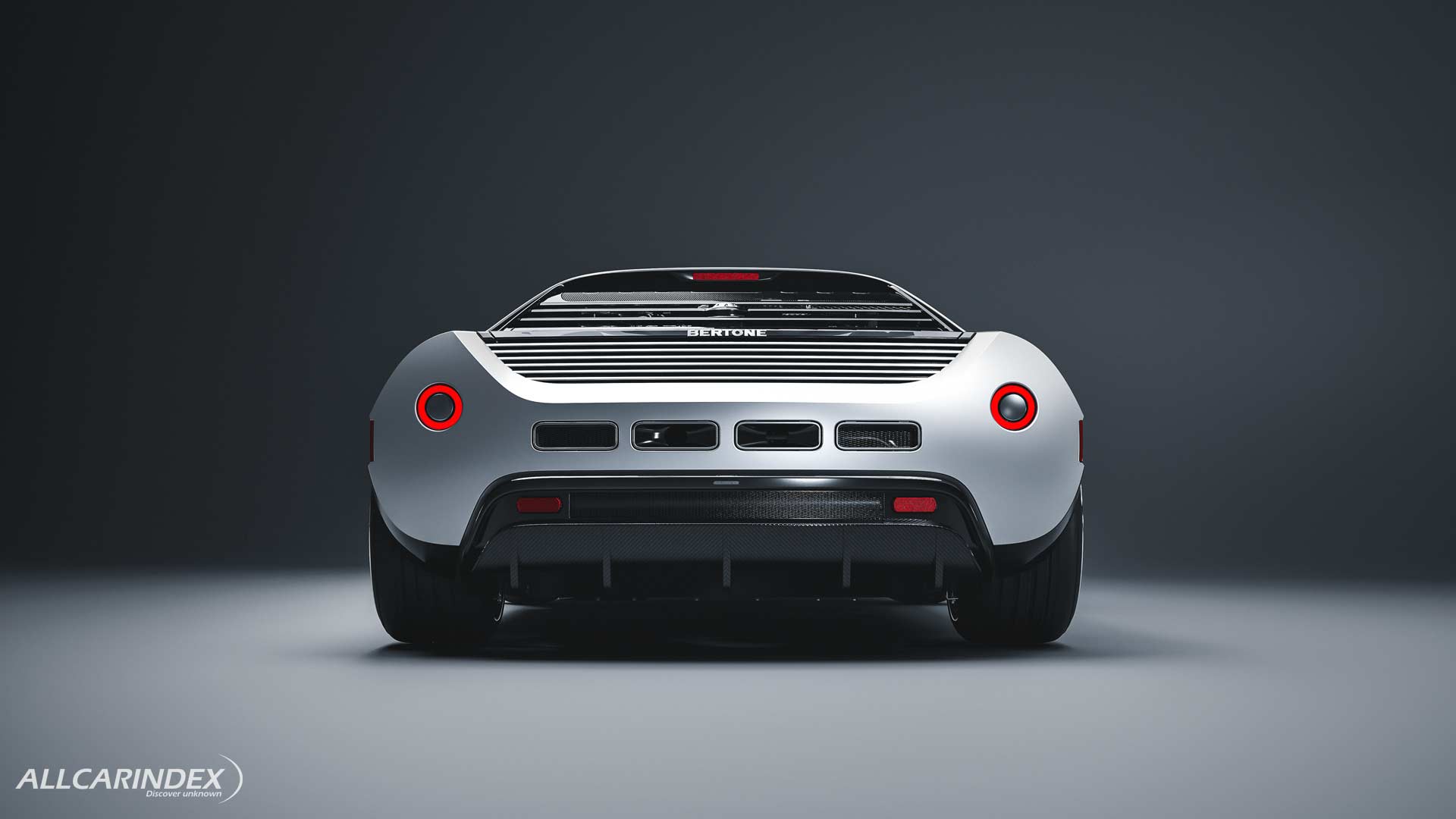
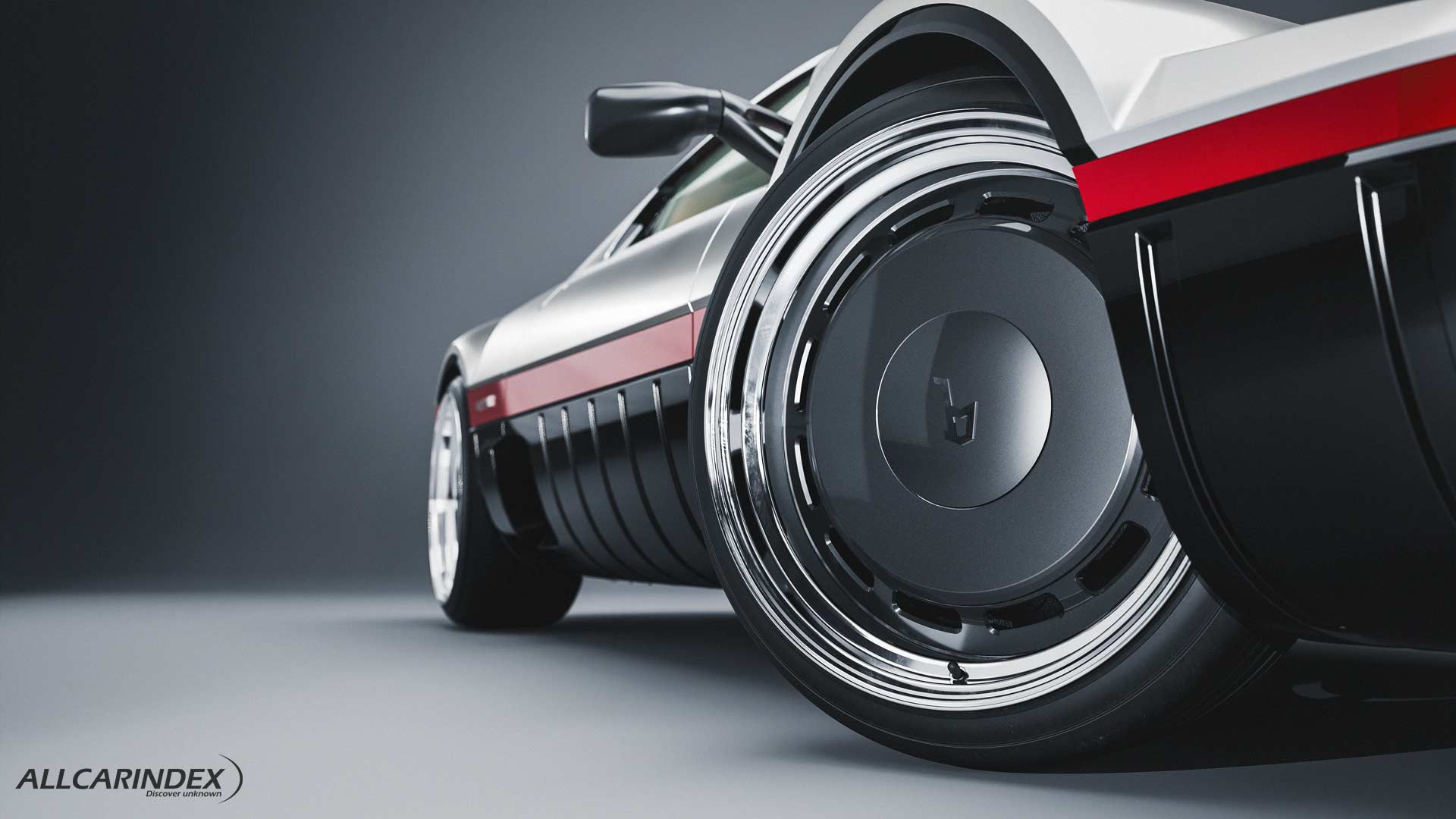
The rear section presents a modern interpretation of the coda tronca, reduced to essential geometry. Four rectangular apertures define the rear graphic, with exhaust outlets integrated into two of these openings. Forged aluminum wheels draw direct inspiration from the original 1969 concept.
The car measures 3,990mm in length with a 2,369mm wheelbase, standing just 1,116mm tall. Total width reaches 1,933mm at its maximum point. Curb weight registers at 1,057kg, yielding a power-to-weight ratio of 2.45kg per horsepower.
Interior Architecture
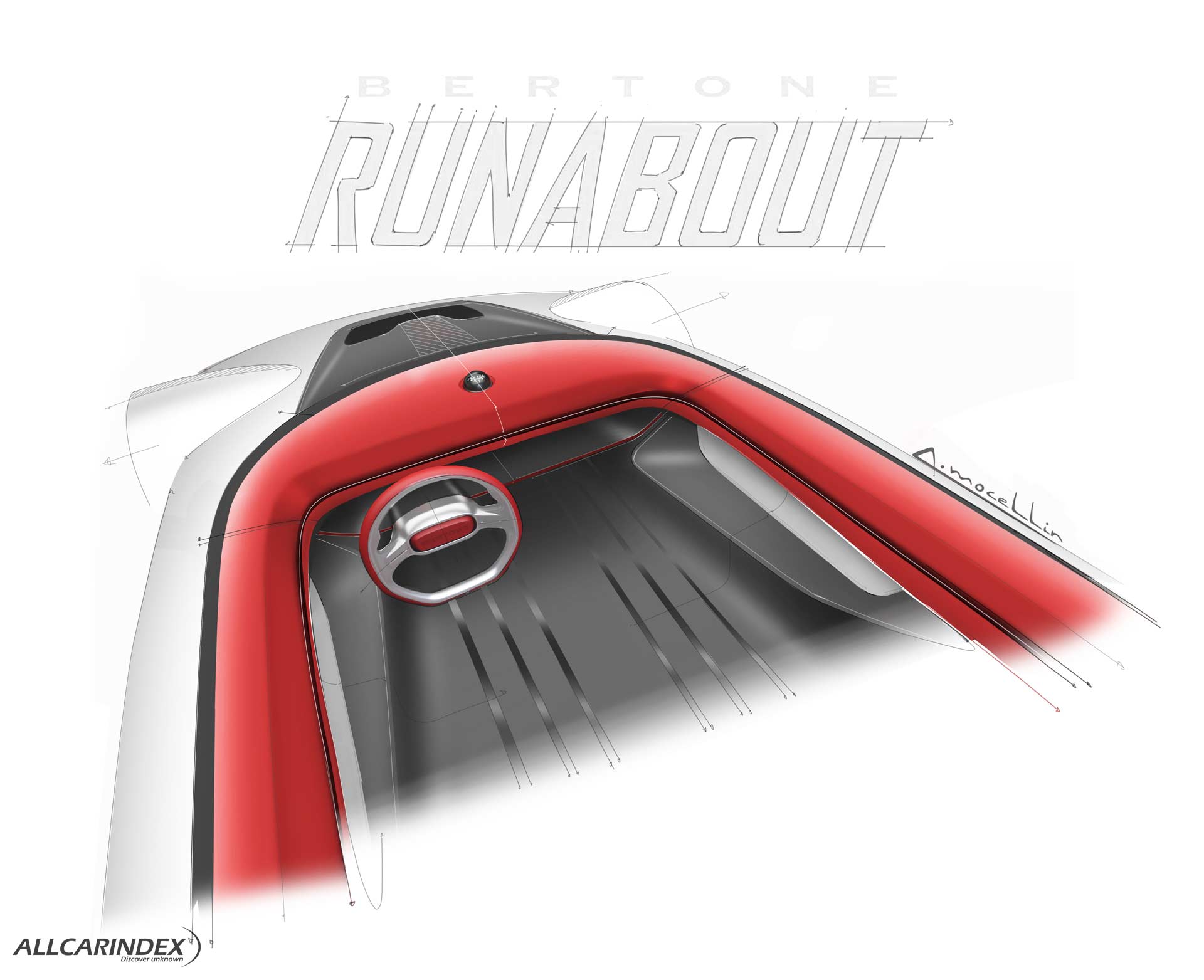
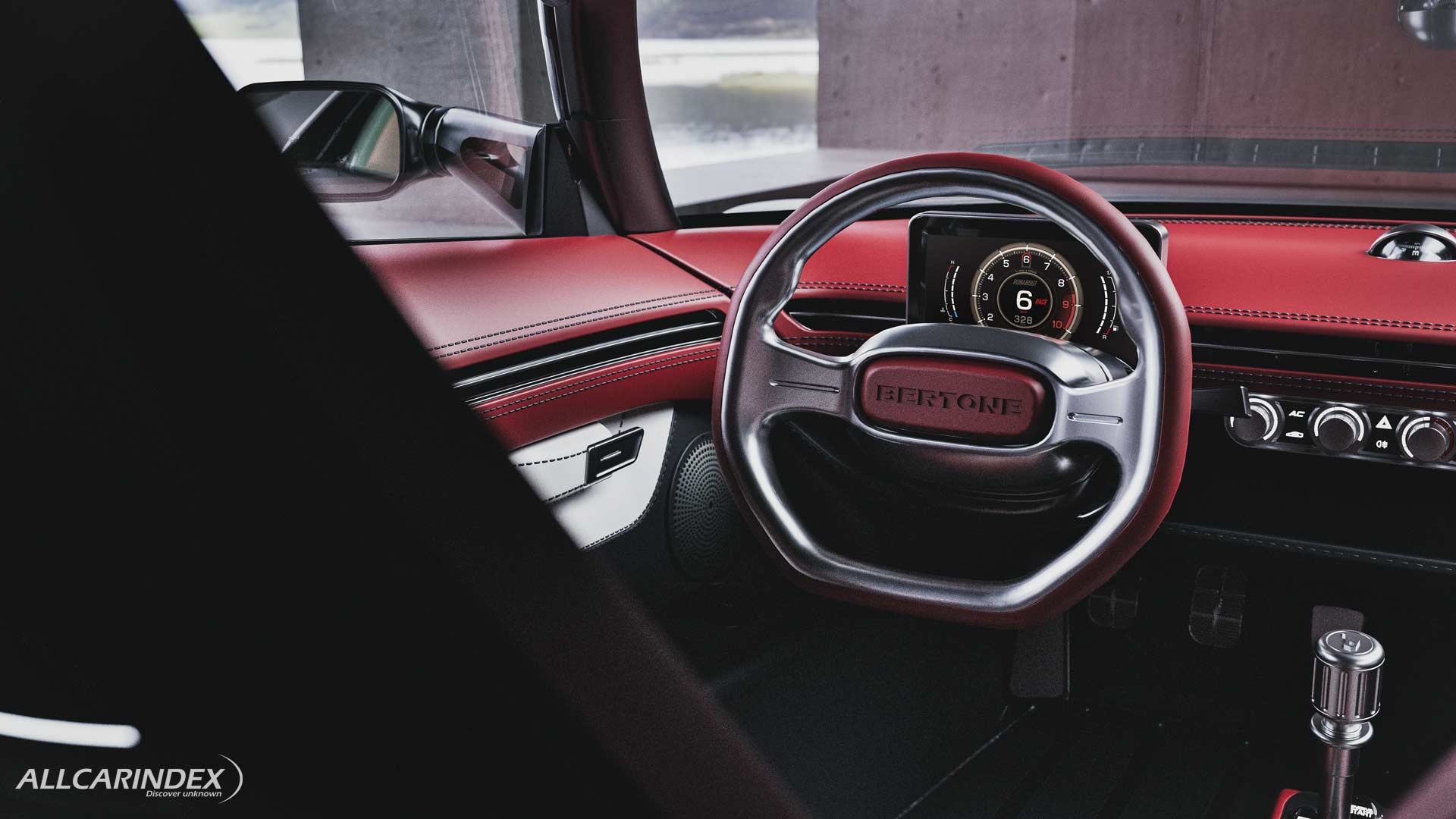
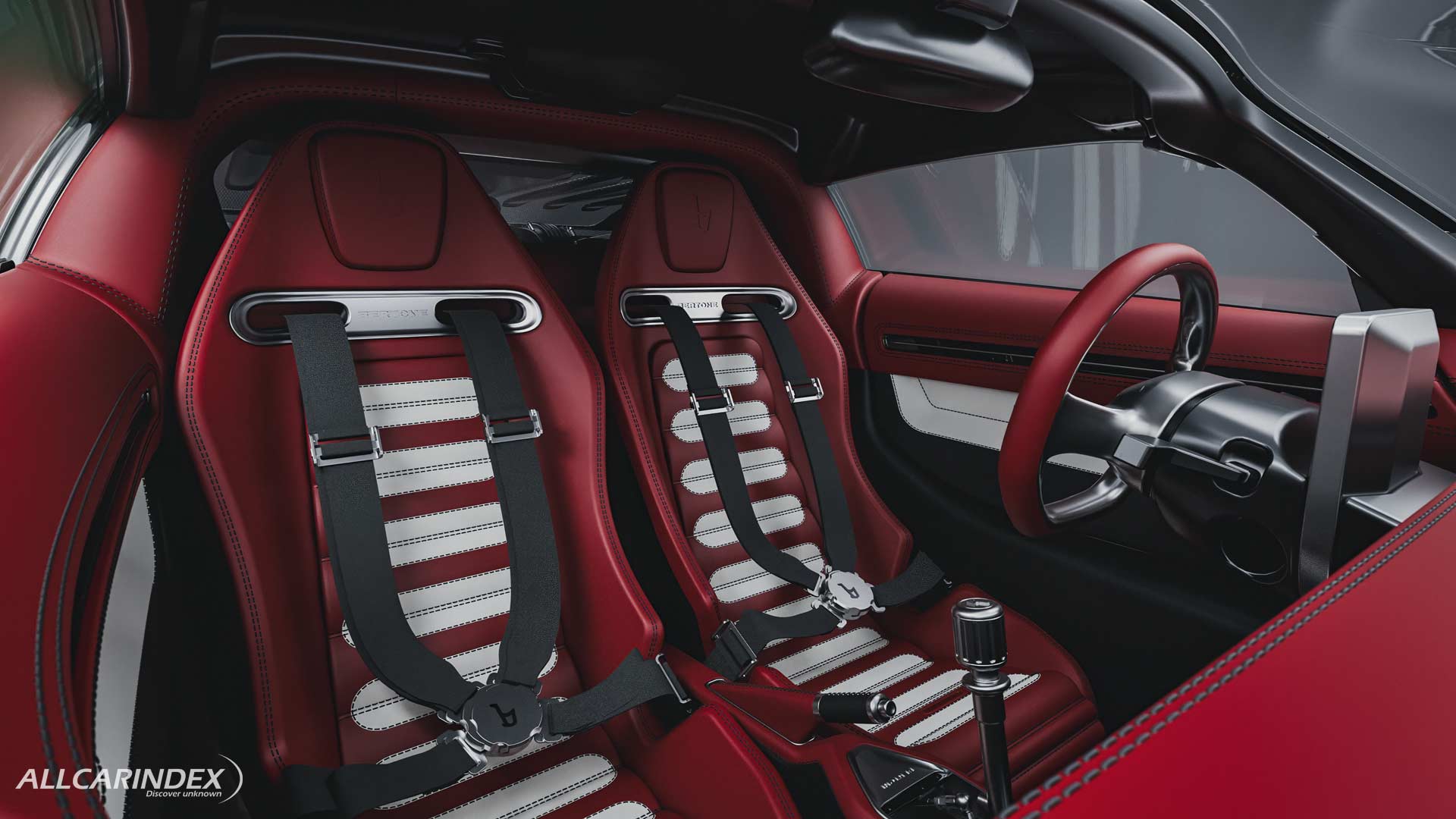
The cabin follows a boat-inspired design philosophy, structured around a hull-like tub that positions occupants low within the chassis. The dashboard consists of a single horizontal element that reinforces visual width. A lone digital tachometer serves as the primary instrument in the driver's sightline, reducing visual complexity.
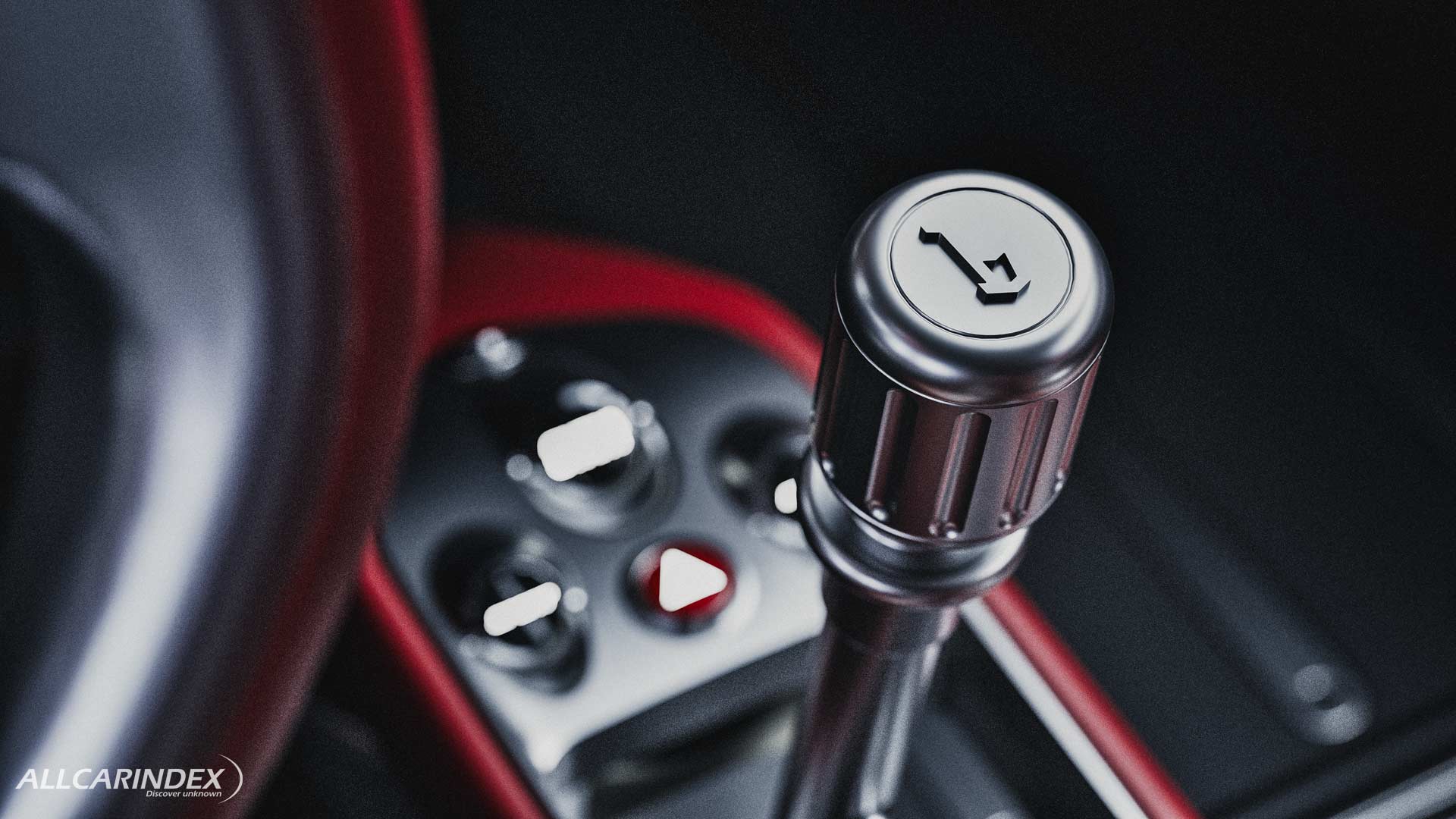
A nautical compass sits integrated at the dashboard center, continuing the maritime theme. Material selection emphasizes tactile quality and functional purpose: carbon fiber seat shells, precision-milled aluminum components, mechanical switchgear, and hand-finished leather. A sculptural gated manual shifter and exposed mechanical controls reinforce the analog driving character.
Powertrain and Performance
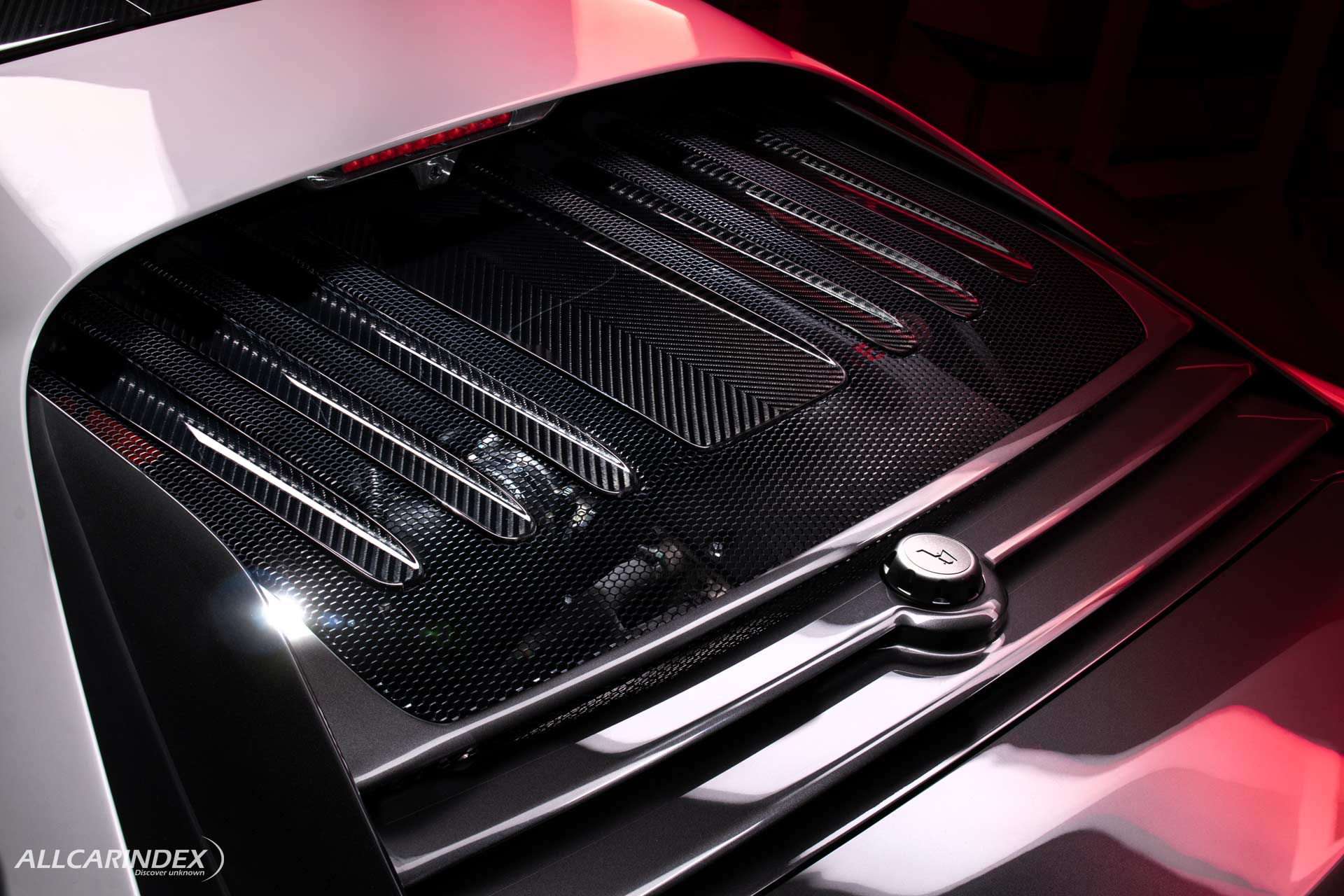
Each Runabout utilizes a newly acquired, unused chassis re-engineered specifically for the project. The powertrain centers on a 3.5-liter, 60-degree V6 engine with aluminum block and DOHC aluminum cylinder heads featuring four valves per cylinder and dual variable valve timing. The forged crankshaft is mounted transversally in a mid-engine configuration for optimal weight distribution.
An Eaton/Edelbrock TVS supercharger mounted within the engine's V-angle provides forced induction, with high-efficiency charge-air cooling managing intake temperatures. A KT500 carbon fiber airbox increases flow capacity, while stainless steel performance headers with optimized runner length improve exhaust scavenging. A high-flow 200 cpsi HJS catalyst integrated into a re-engineered Y-pipe reduces back-pressure.
The system produces approximately 475 horsepower at 6,800 rpm and 490 Nm of torque at 3,600 rpm. Power transfers through a six-speed manual close-ratio gearbox. Performance figures include 0-100 km/h acceleration in 4.1 seconds and a maximum speed of 270 km/h.
Chassis components include double wishbone suspension with three-way adjustable dampers and adjustable anti-roll bars. Braking hardware consists of 343 x 32mm front discs and 343 x 26mm rear discs. The car rides on 225/40 ZR18 front tires and 295/30 ZR19 rear tires.
Production and Personalization
Bertone limits production to 25 units, each built through a coachbuilt process. Clients work directly with Bertone's Centro Stile during a configuration journey that shapes materials, colors, textures, and finishes according to individual preferences. The starting price is set at €390,000 before taxes and duties.
Presentation at Rétromobile
The Runabout is displayed at the Ultimate Supercar Garage within Rétromobile 2026, which takes place January 29 through February 1 at Paris Expo Porte de Versailles, Stand D023, Hall 4. Bertone presents the new Runabout alongside the GB110 and, significantly, the original 1969 Runabout concept. The historical concept car appears through collaboration with Automotoclub Storico Italiano (ASI) and the Collezione ASI Bertone team, creating a direct visual dialogue between the two generations.
Bertone's Contemporary Direction
Founded in 1912, Bertone established itself as one of the most influential automotive design houses during the twentieth century. Under Nuccio Bertone's leadership, the company created landmark vehicles for Lamborghini, Alfa Romeo, Lancia, Ferrari, and Fiat, developing a design vocabulary based on sculptural purity and expressive geometry.
The new Runabout represents Bertone's transition into ultra-limited coachbuilt automobile production, supported by the Ricci family's engineering and industrial capabilities. Operating from an atelier in the French Riviera, Bertone integrates design, engineering, and prototype construction within a single facility.
Images: Bertone