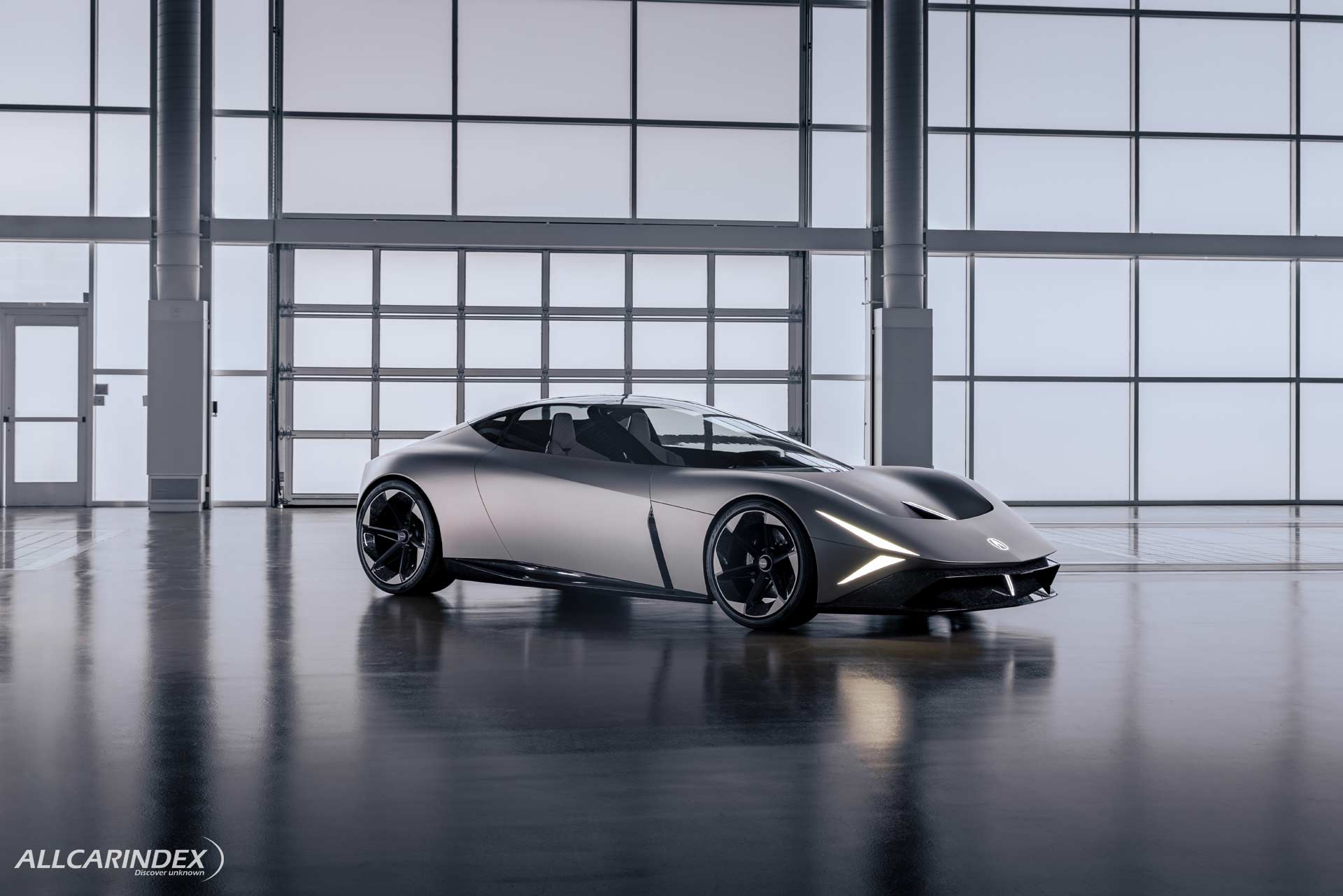
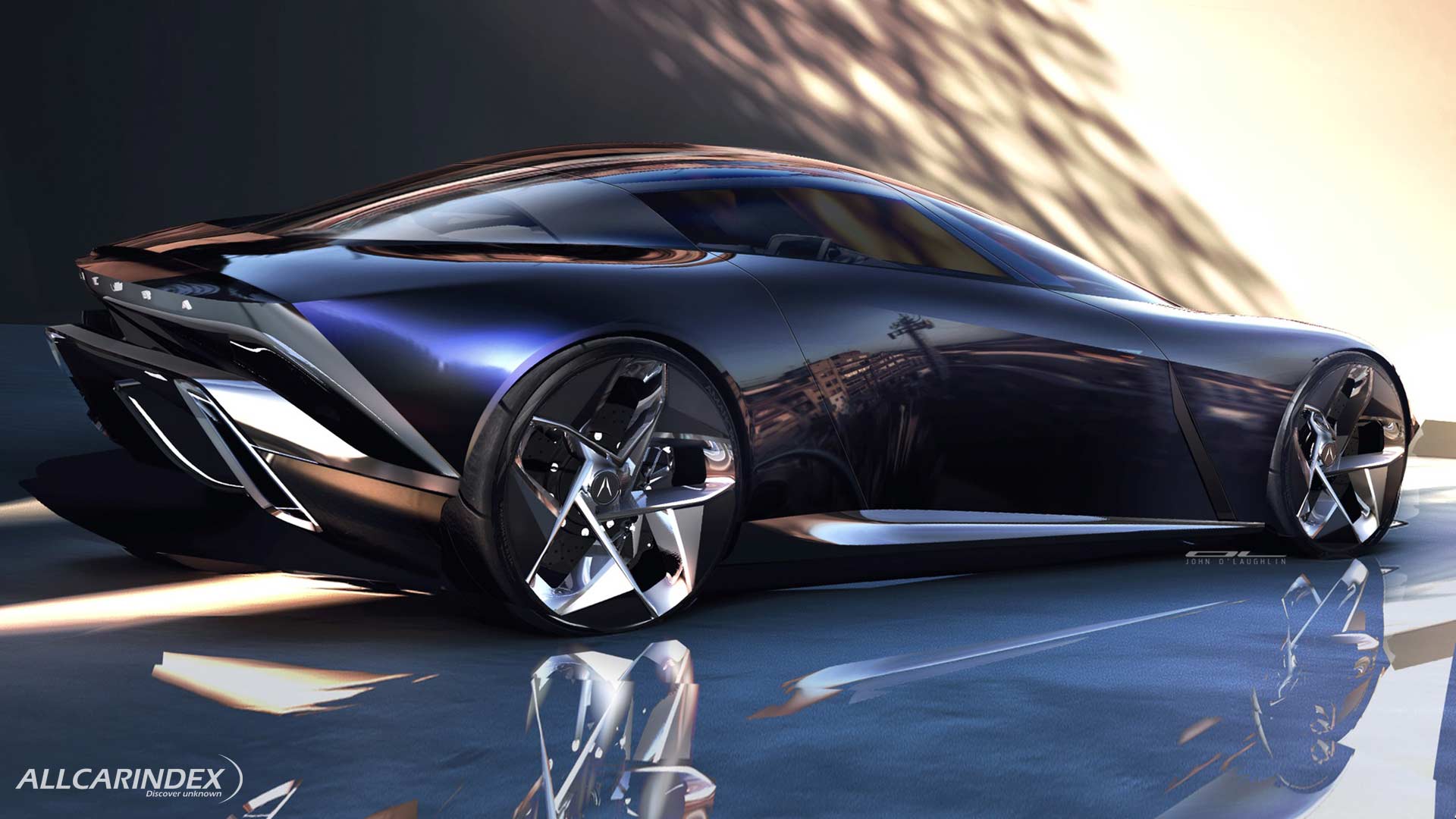

Monterey Car Week has become the calendar fixture where marques stake out where they intend to go next, and this year Acura used it to mark forty years since its own beginning. The brand built its identity on what it calls a challenger spirit, and to carry that spirit into its next chapter Acura unveiled a new concept at The Quail, a Motorsports Gathering, on August 14th: the Acura NEXERA Vision.
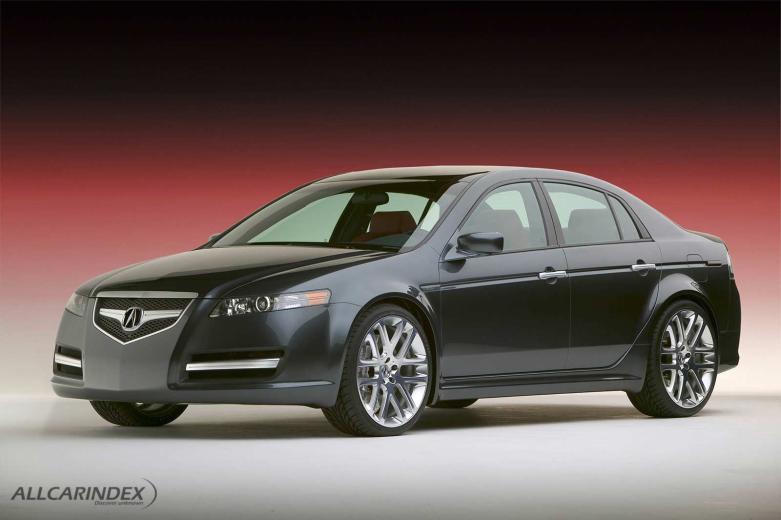
The car was designed at the Acura Design California studio in Los Angeles, under the guidance of Yasutake Tsuchida, who holds the newly created role of Acura Creative Director and Vice President of Auto Design. Its purpose is not to sit as a one-off show piece but to set the visual direction for what comes after it, with the styling cues established here beginning to appear on the 4th-generation Acura RDX Hybrid in the coming years. Tsuchida frames the timing deliberately around the anniversary. "We are using the 40th anniversary of Acura as a springboard to our future, with the Acura NEXERA Vision serving as the design language for future Acura models," he said, adding that the goal was to define Acura performance through disciplined proportions, sculpted form and the seamless integration of advanced technology, in an expression he calls both progressive and authentic to the brand.
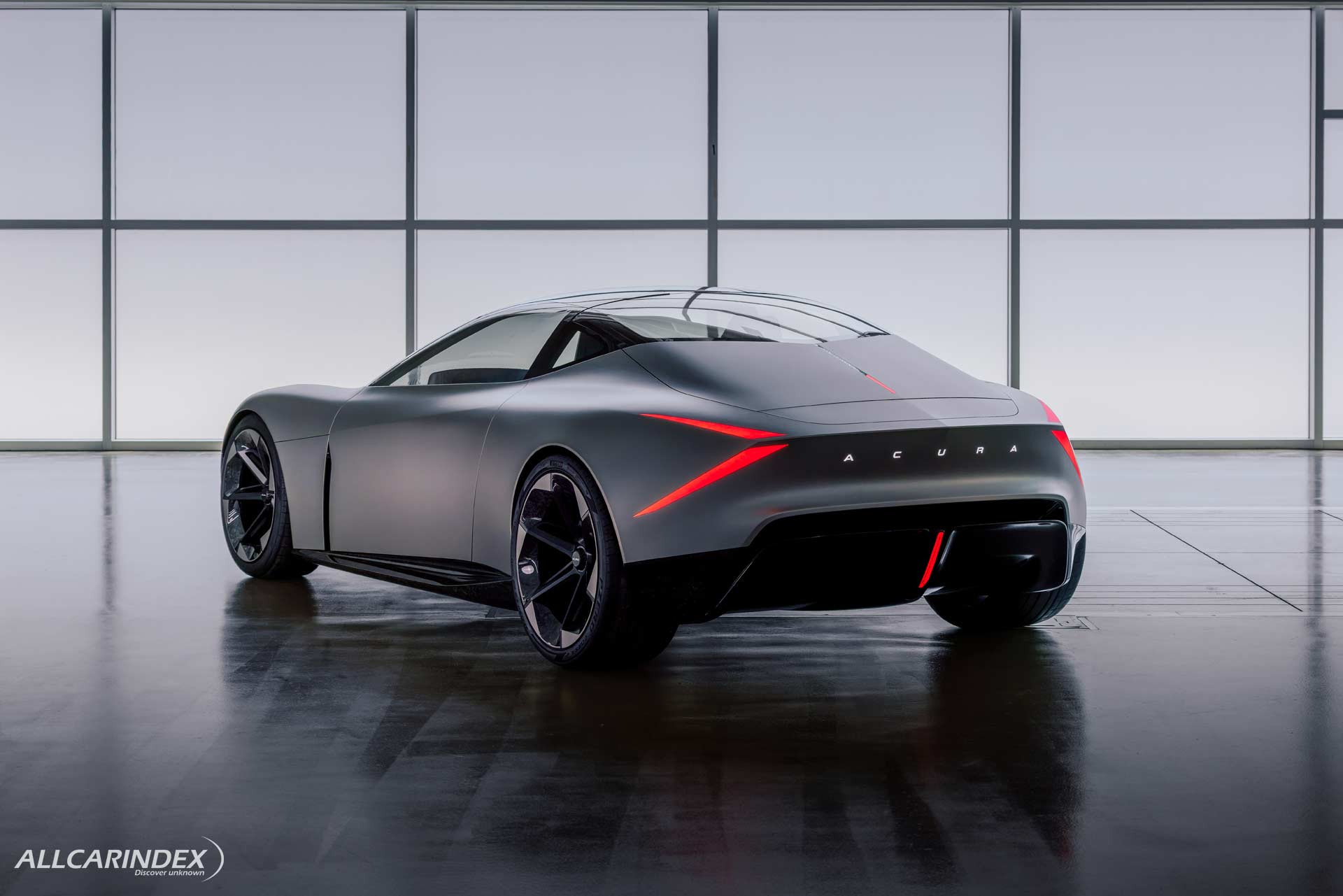
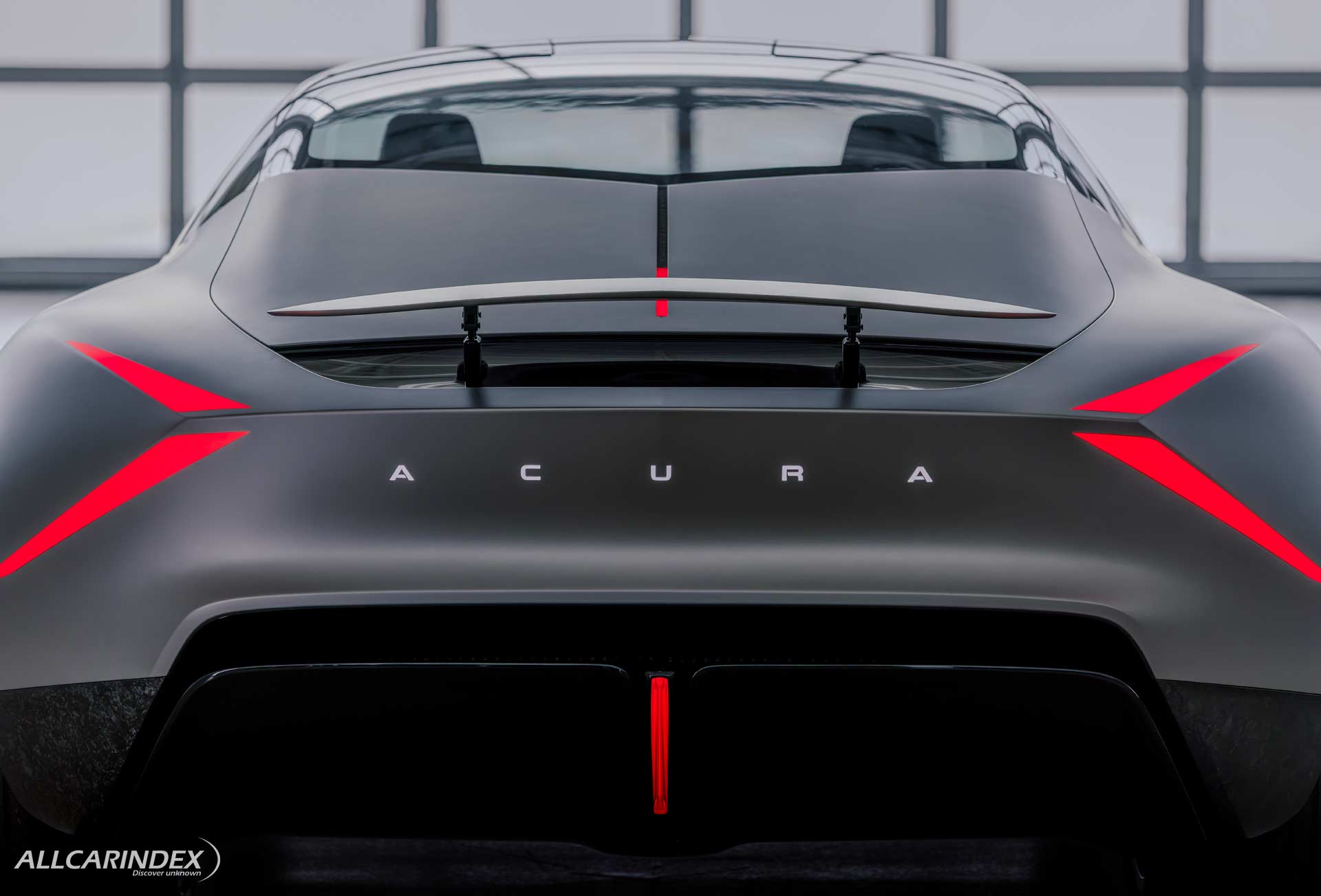
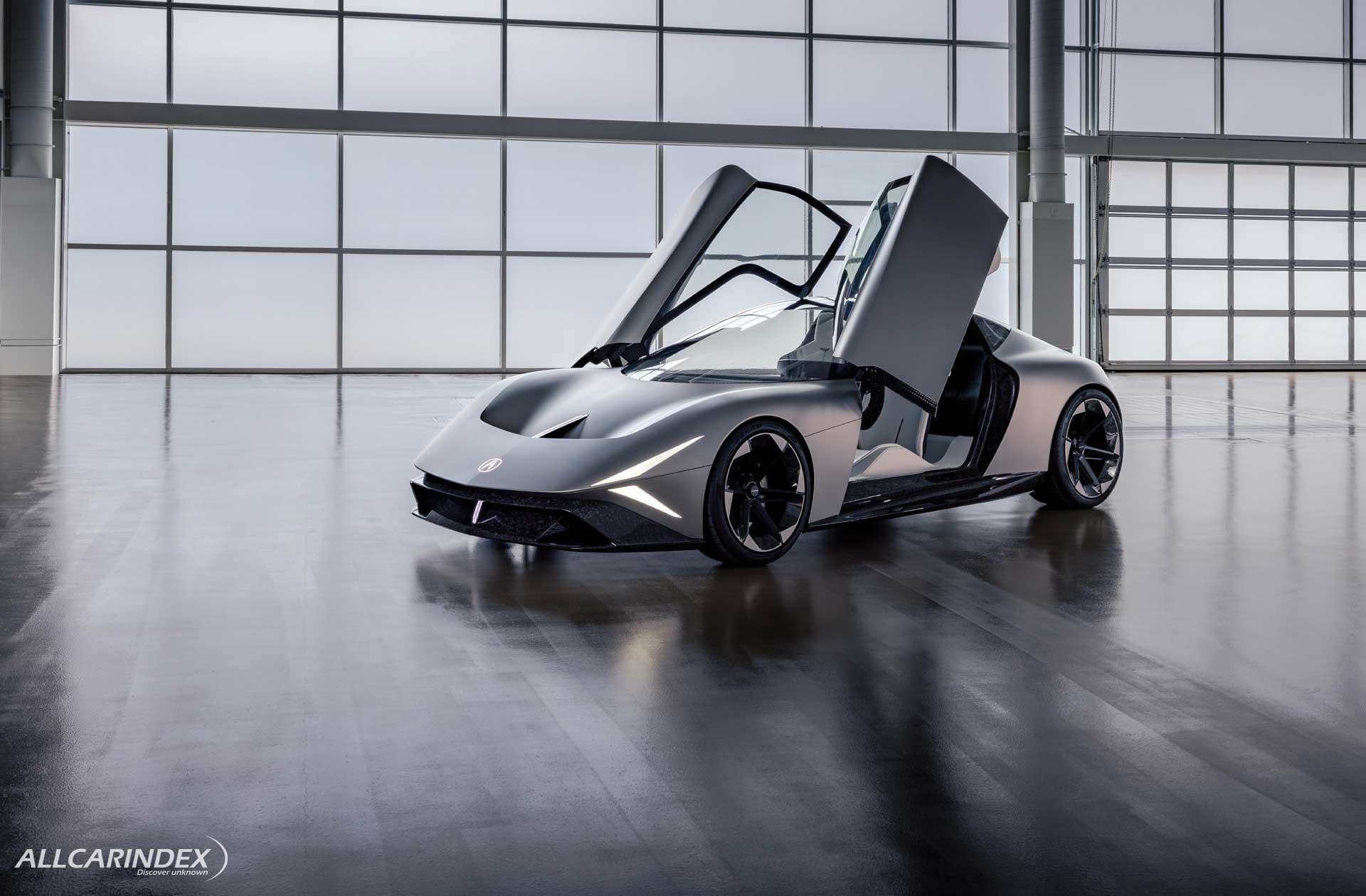
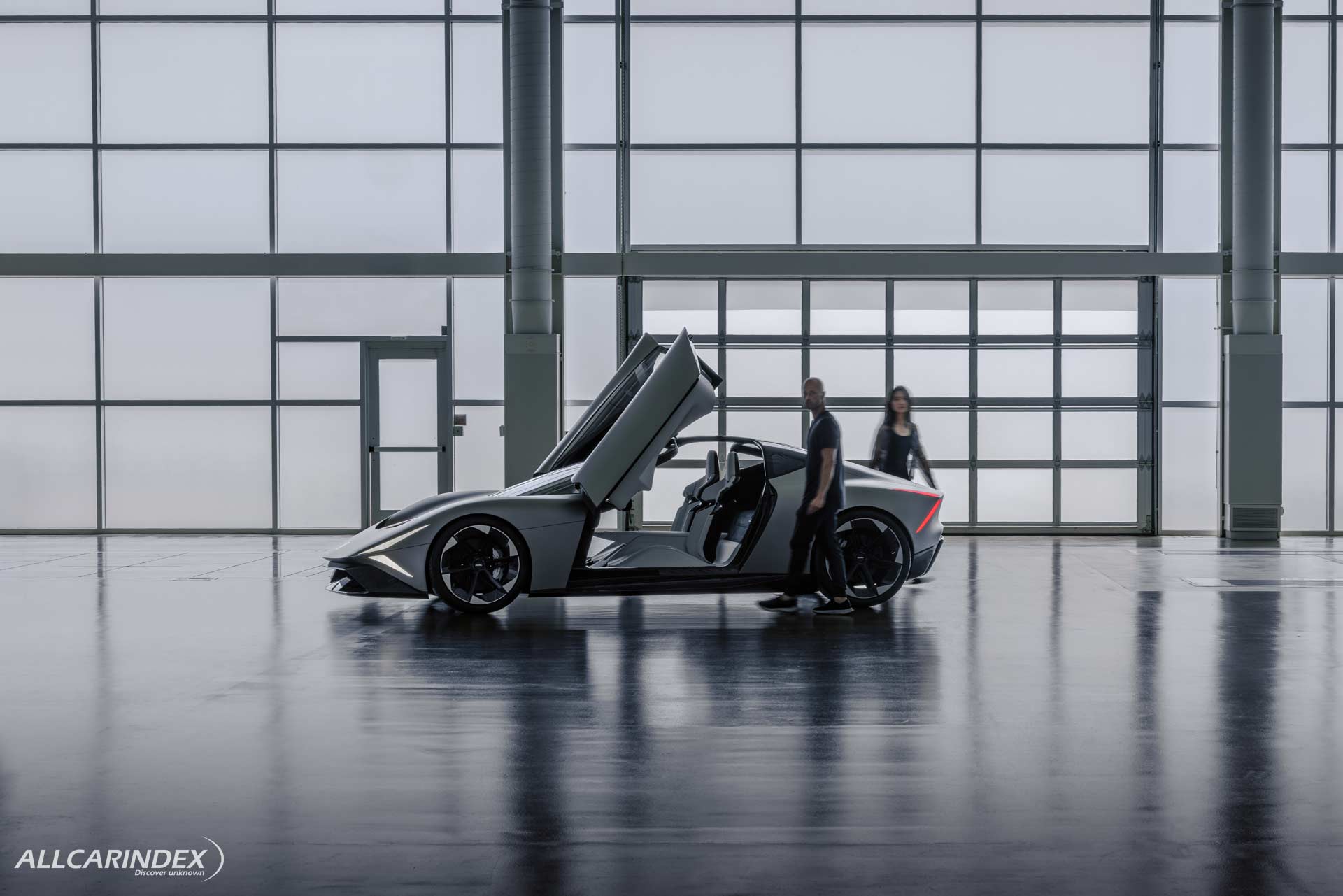
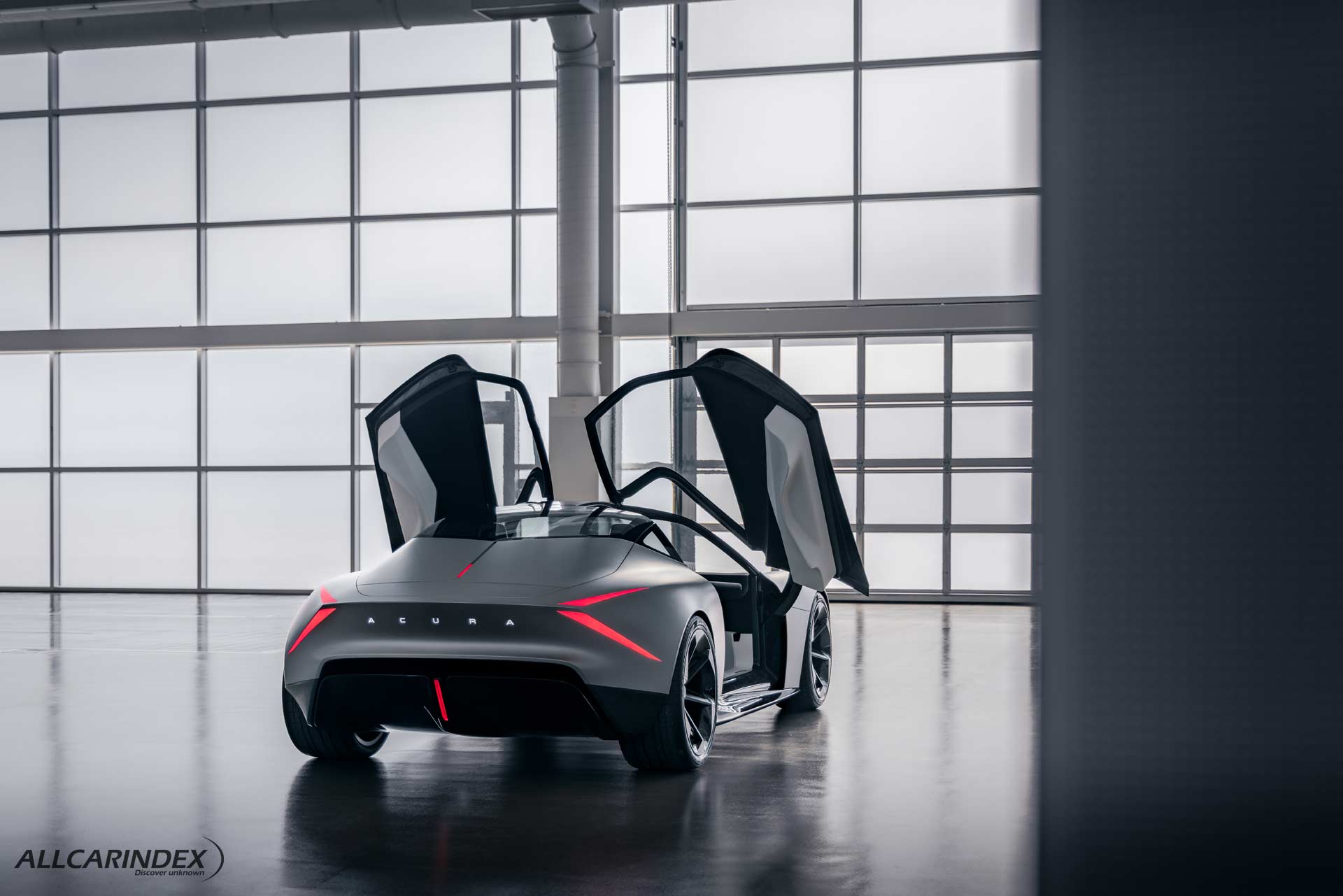
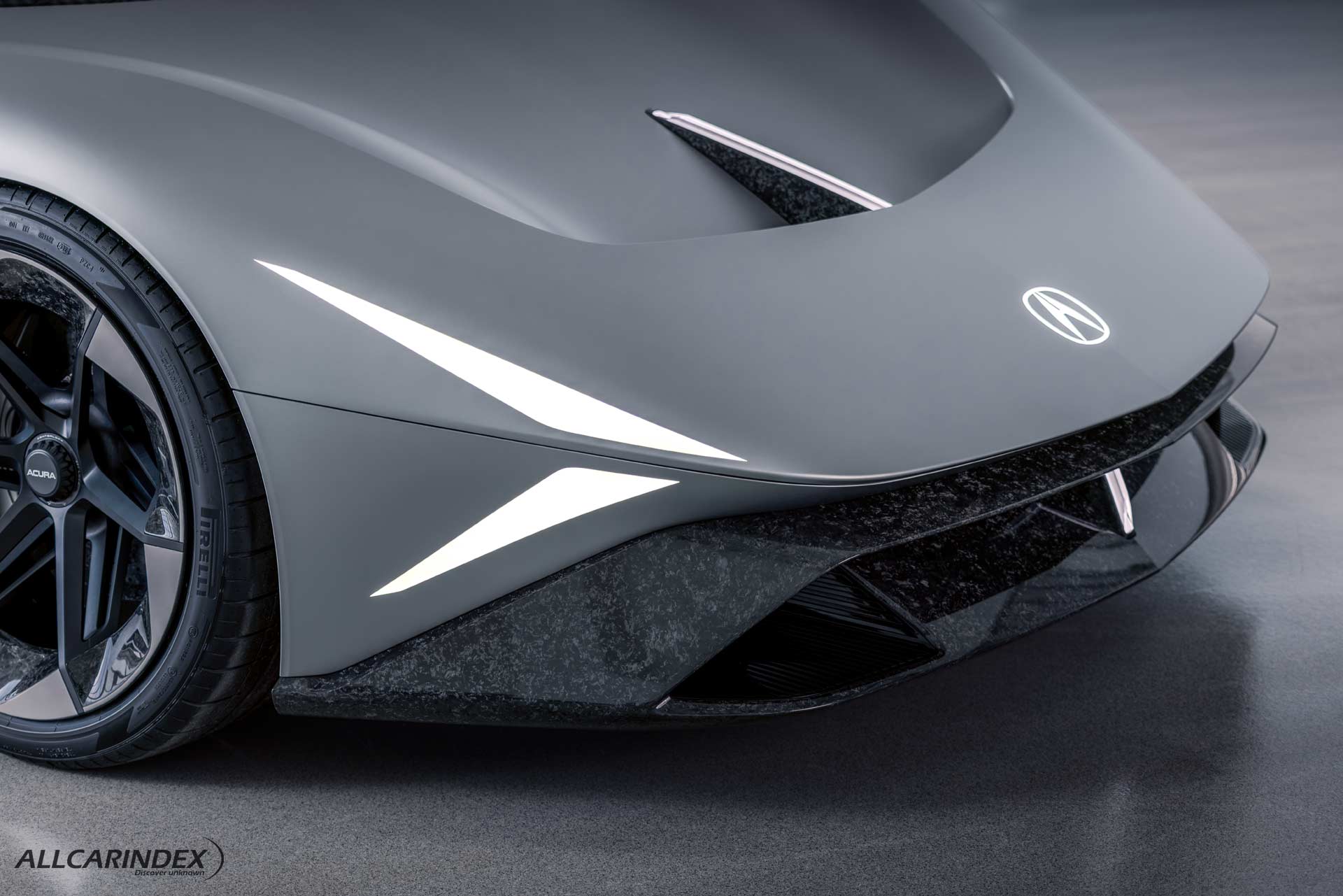
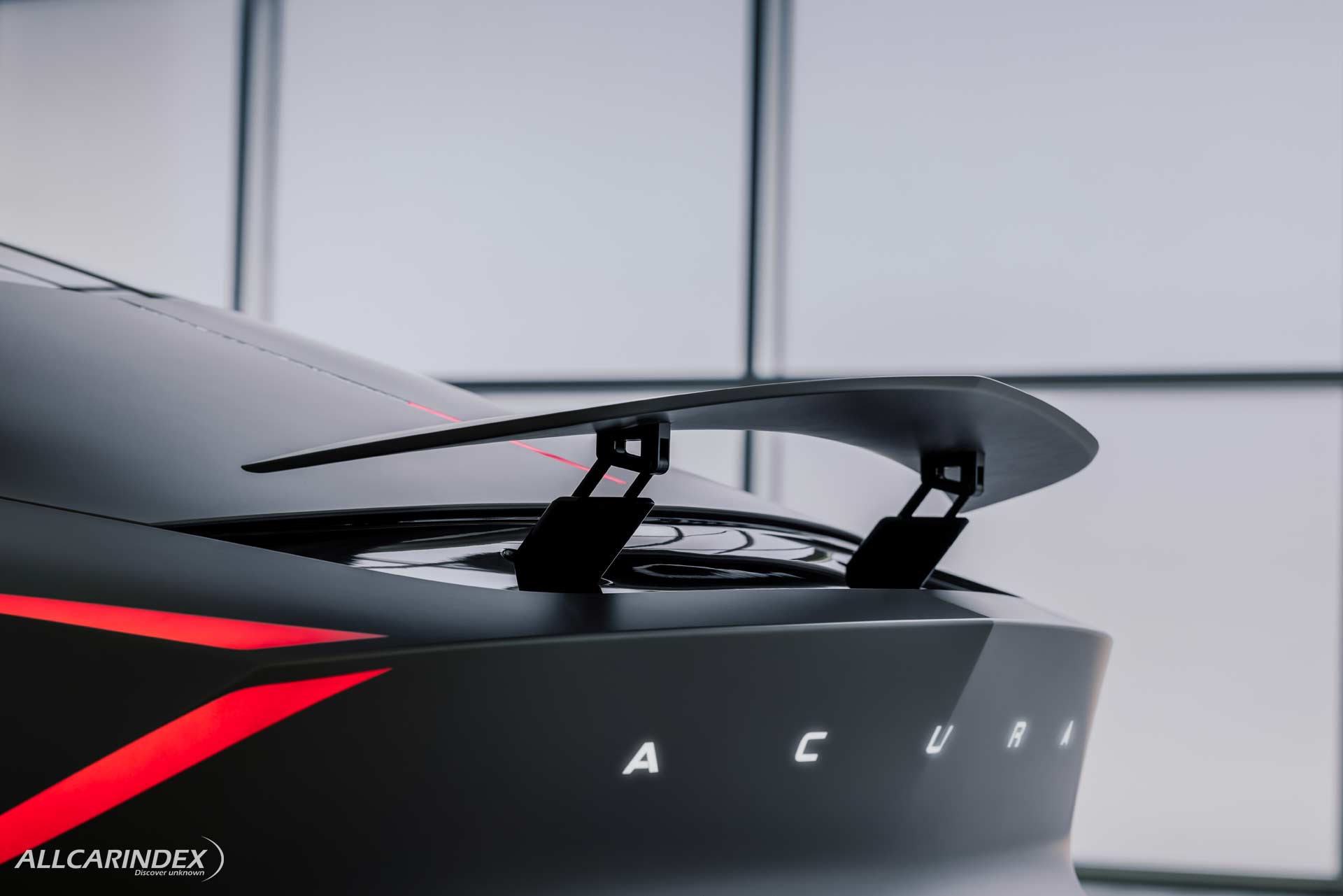
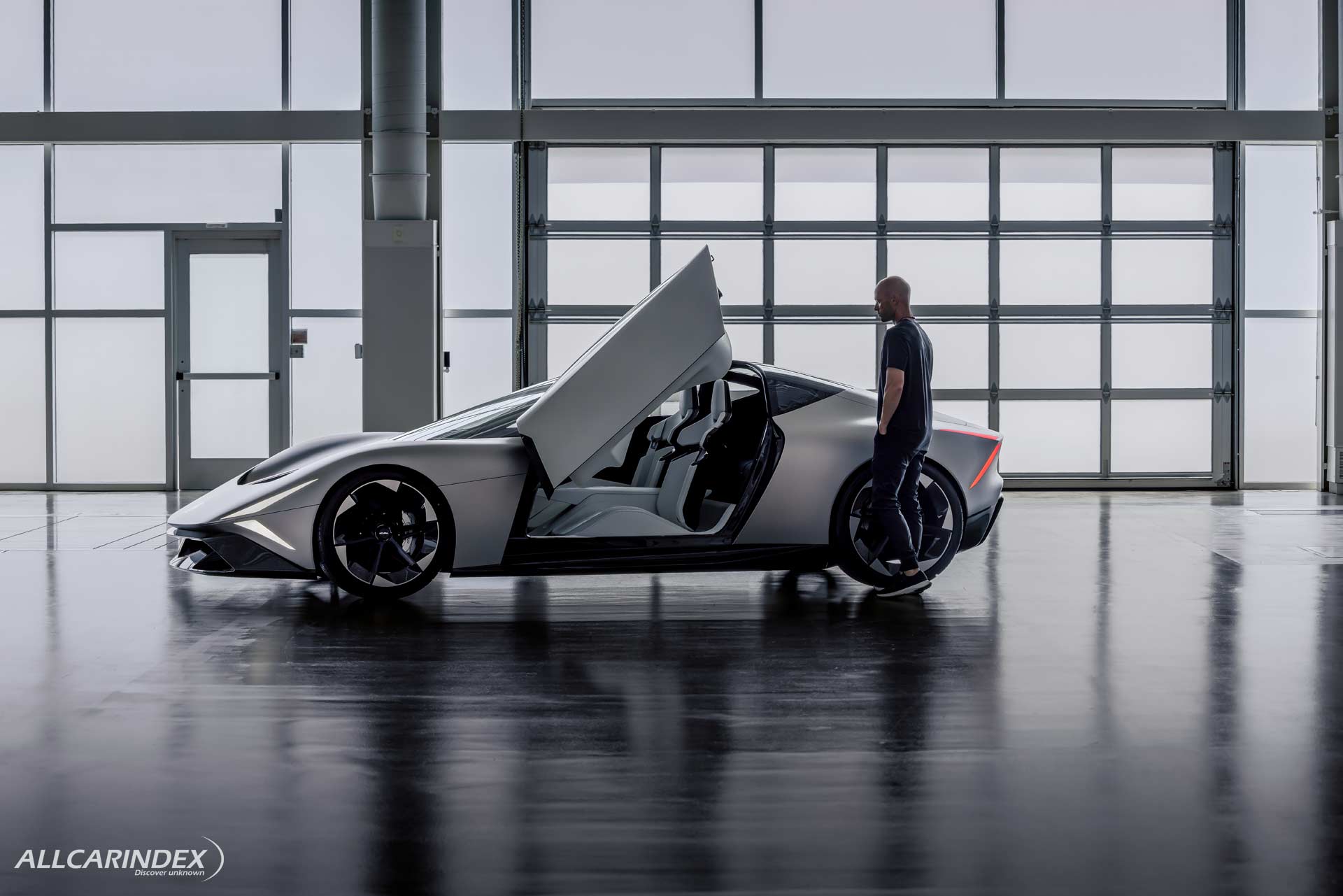
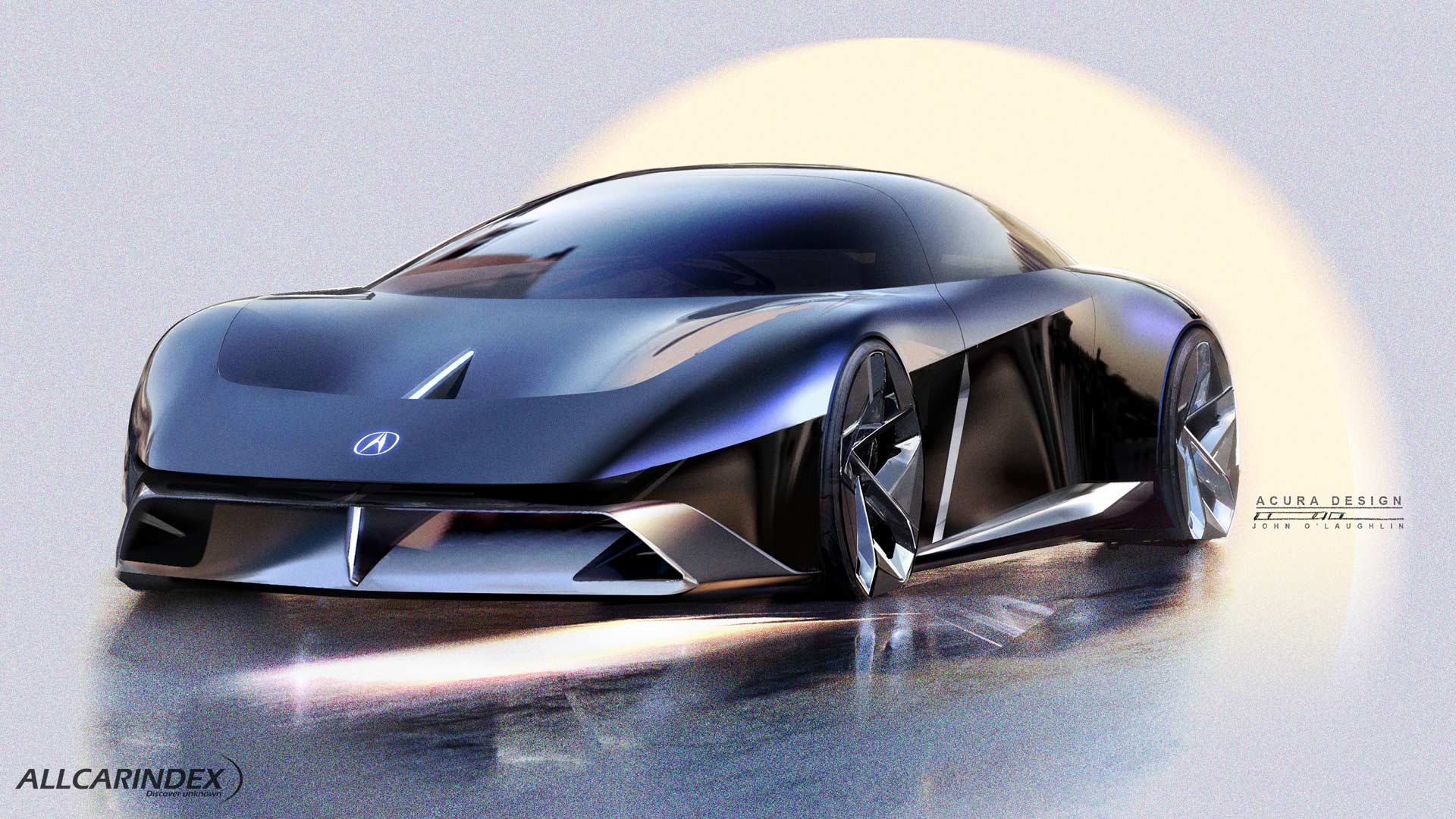
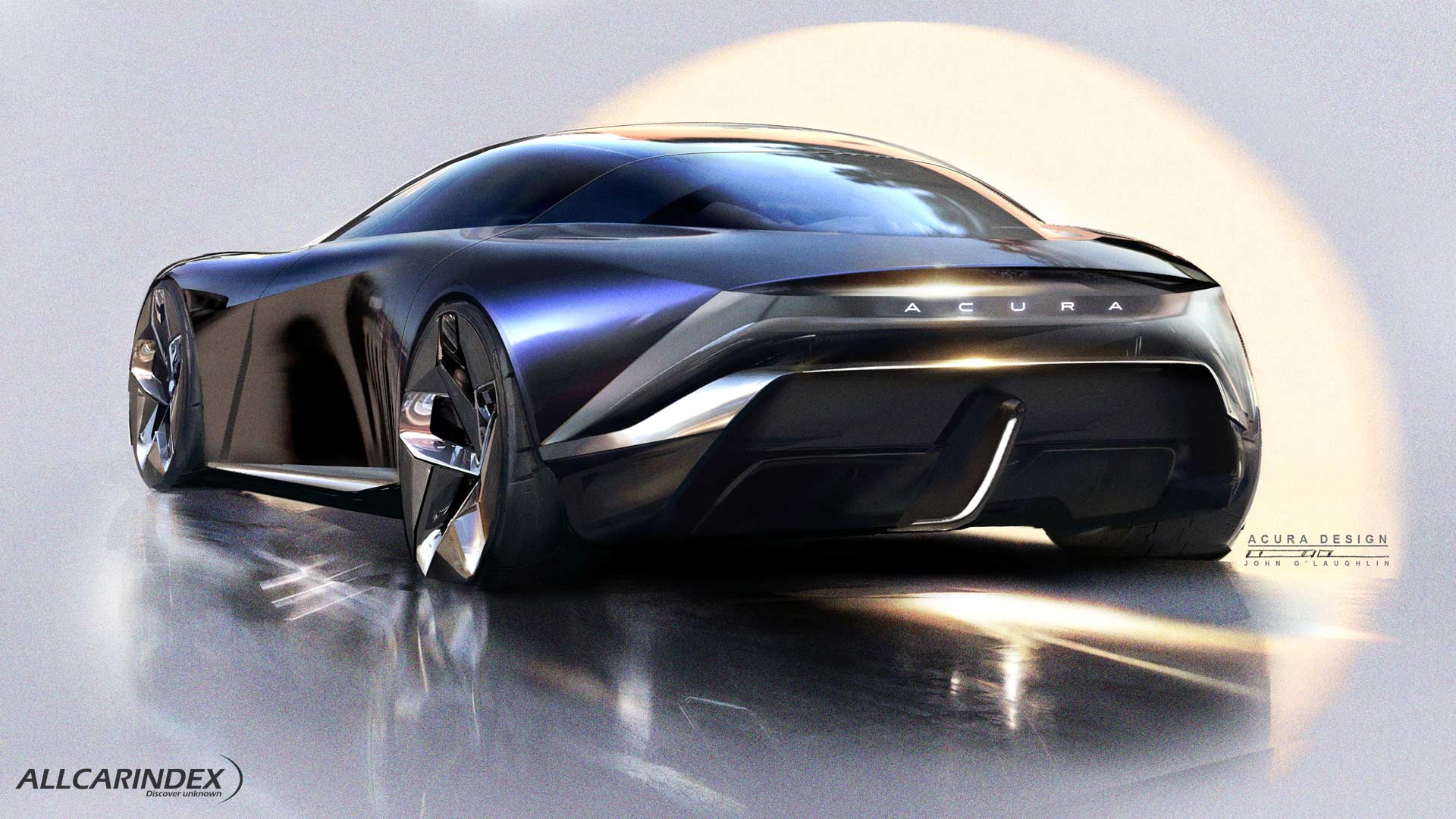
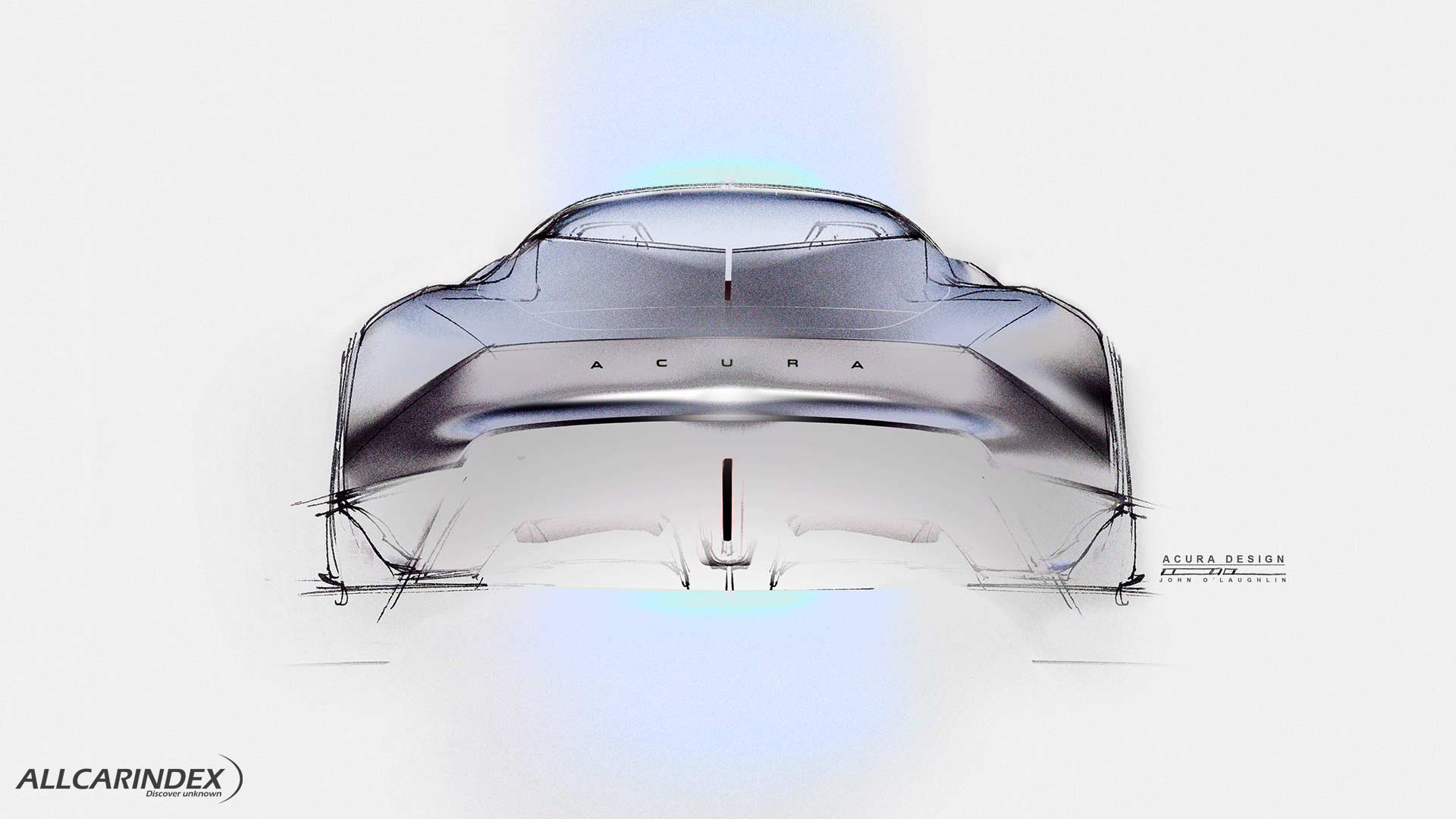
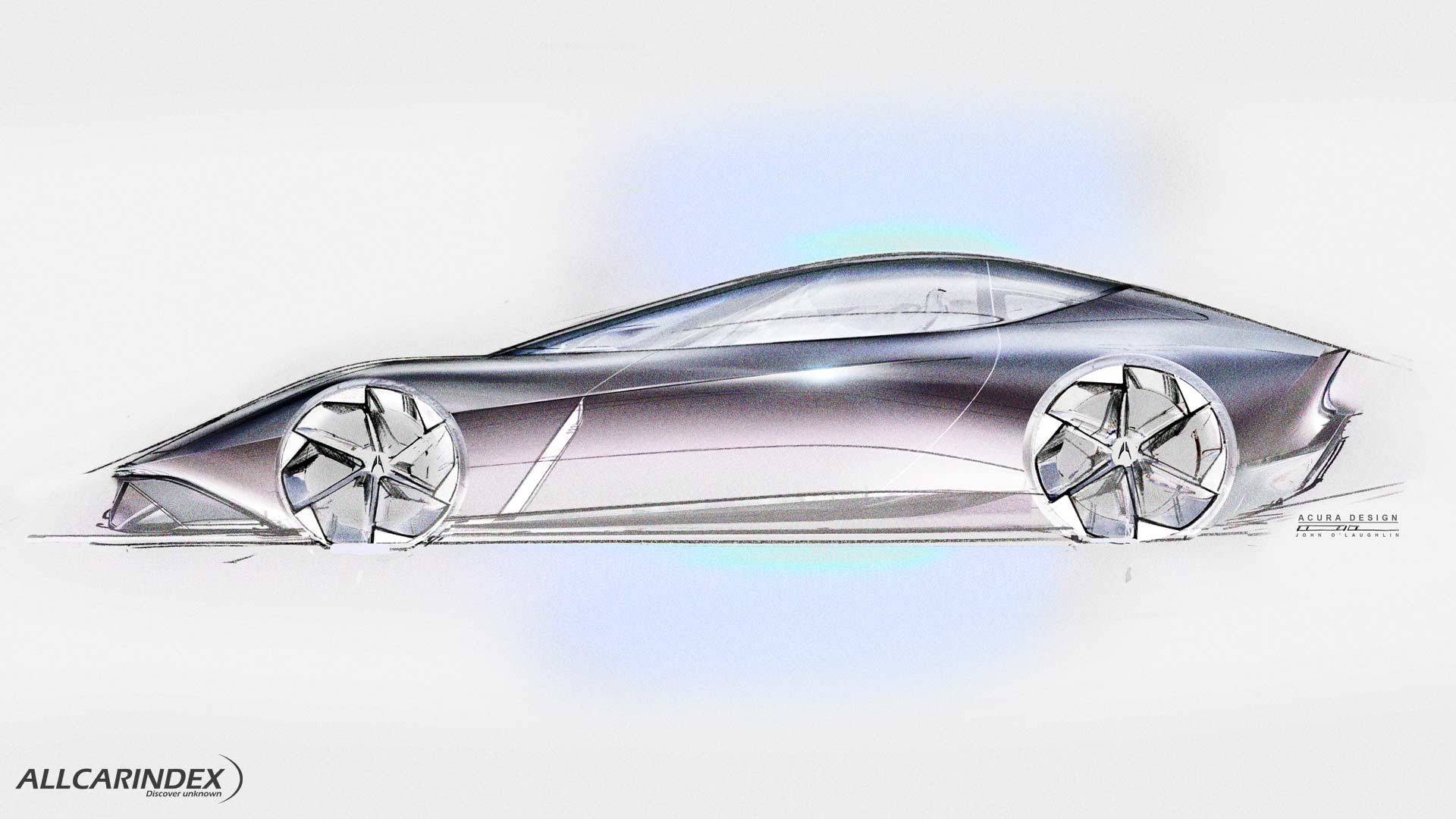
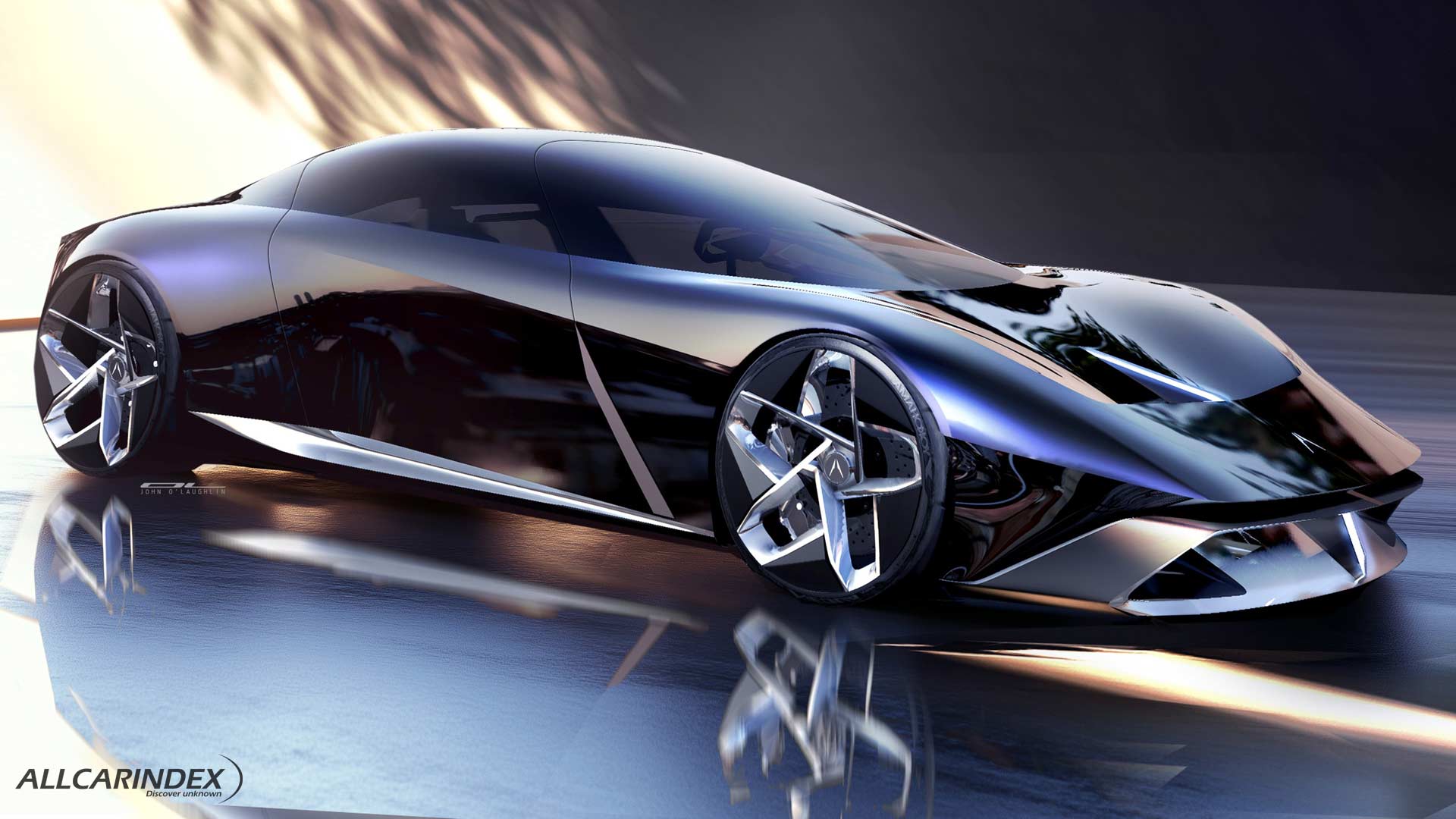
Likewise the exterior carries that intent through in hardware rather than only in words. The NEXERA Vision is finished in Matte Titanium, a color the brand describes as sleek with an arresting metallic depth, and its proportions follow a wide, powerful stance, a long dash-to-axle ratio and a one-motion cabin. Dual-hinge butterfly doors open upward for what Acura calls a bold, dramatic entry, working alongside active aerodynamics and a new lighting signature to announce the design direction from the first interaction with the car. Sculpted, muscular surfaces run into an aero-channel fascia at the front, while at the rear an active spoiler manages airflow across the decklid, a piece of hardware aimed at aerodynamic efficiency, high-speed stability and braking performance all at once.
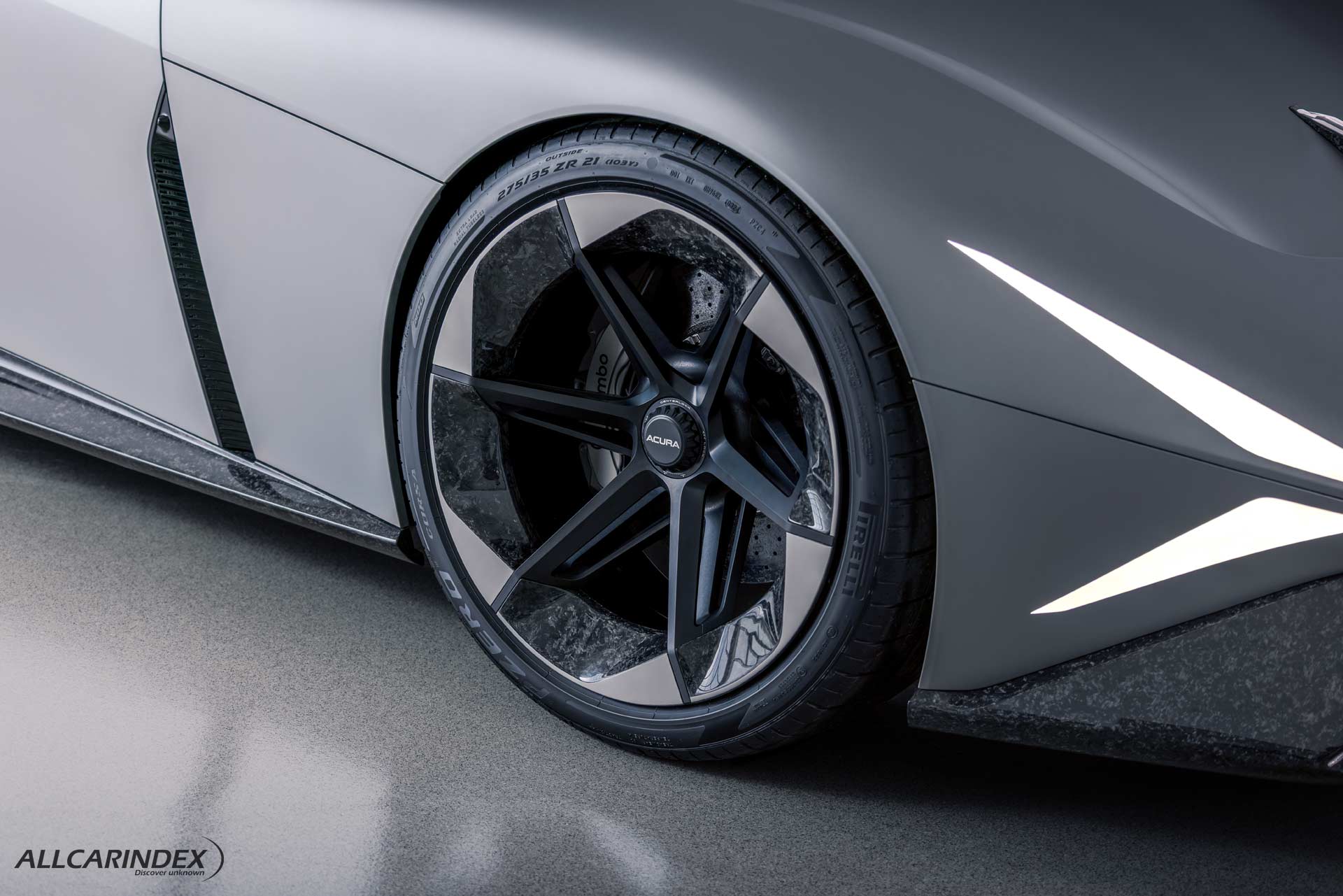
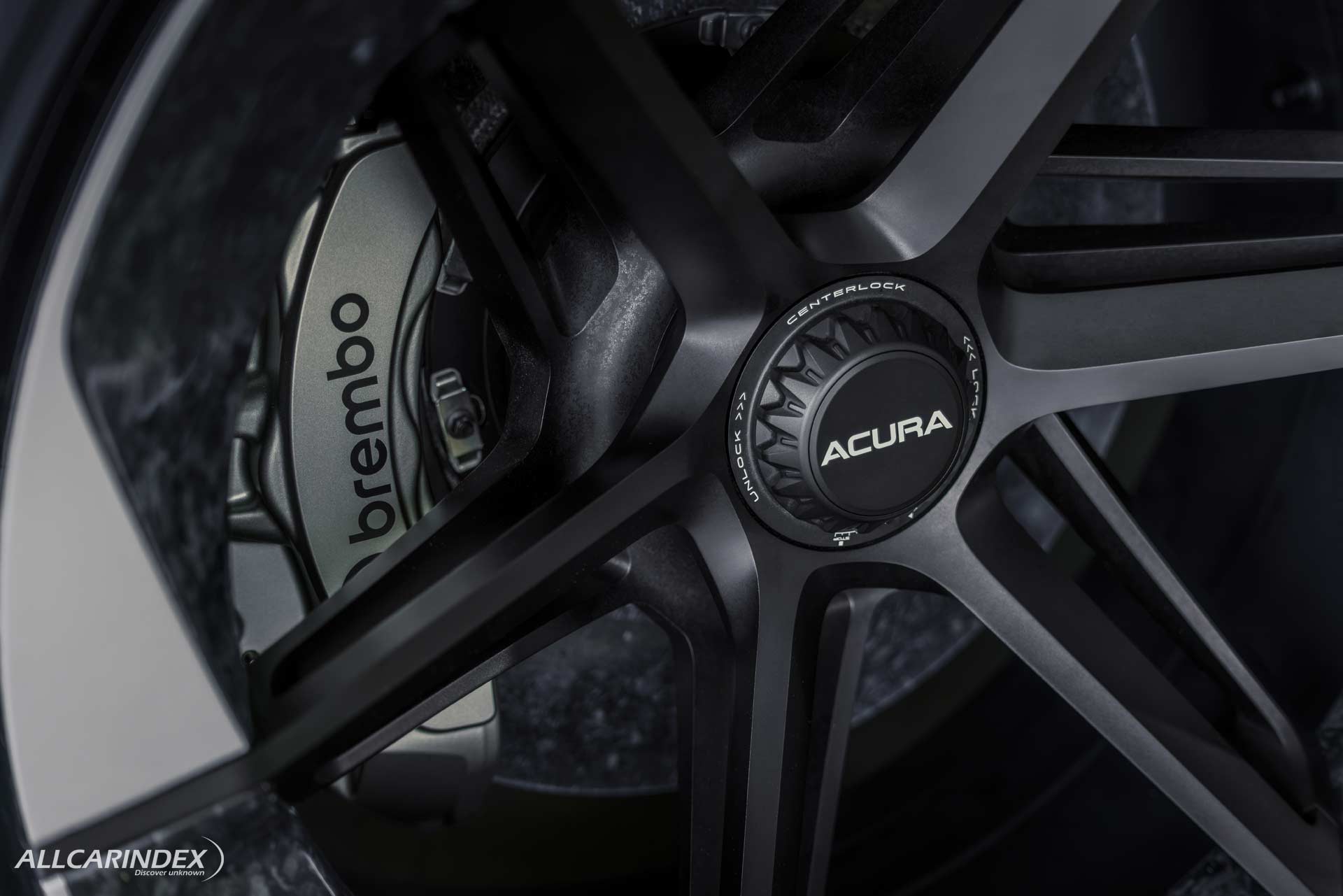
The wheel and brake package underlines how far Acura pushed the concept's performance details. Carbon ceramic Brembo brakes are visible through 22-inch centerlock wheels, a wheel format that is a first for Acura, finished with a 3D directional design, a matte anodized surface and forged carbon fiber inserts. Forged carbon reappears through much of the car's structure beyond the wheels, forming the aero-channel fascia, the rear diffuser, the rocker panels, the inner door structures and other performance-oriented details, no less than five separate areas of the body built from the material.
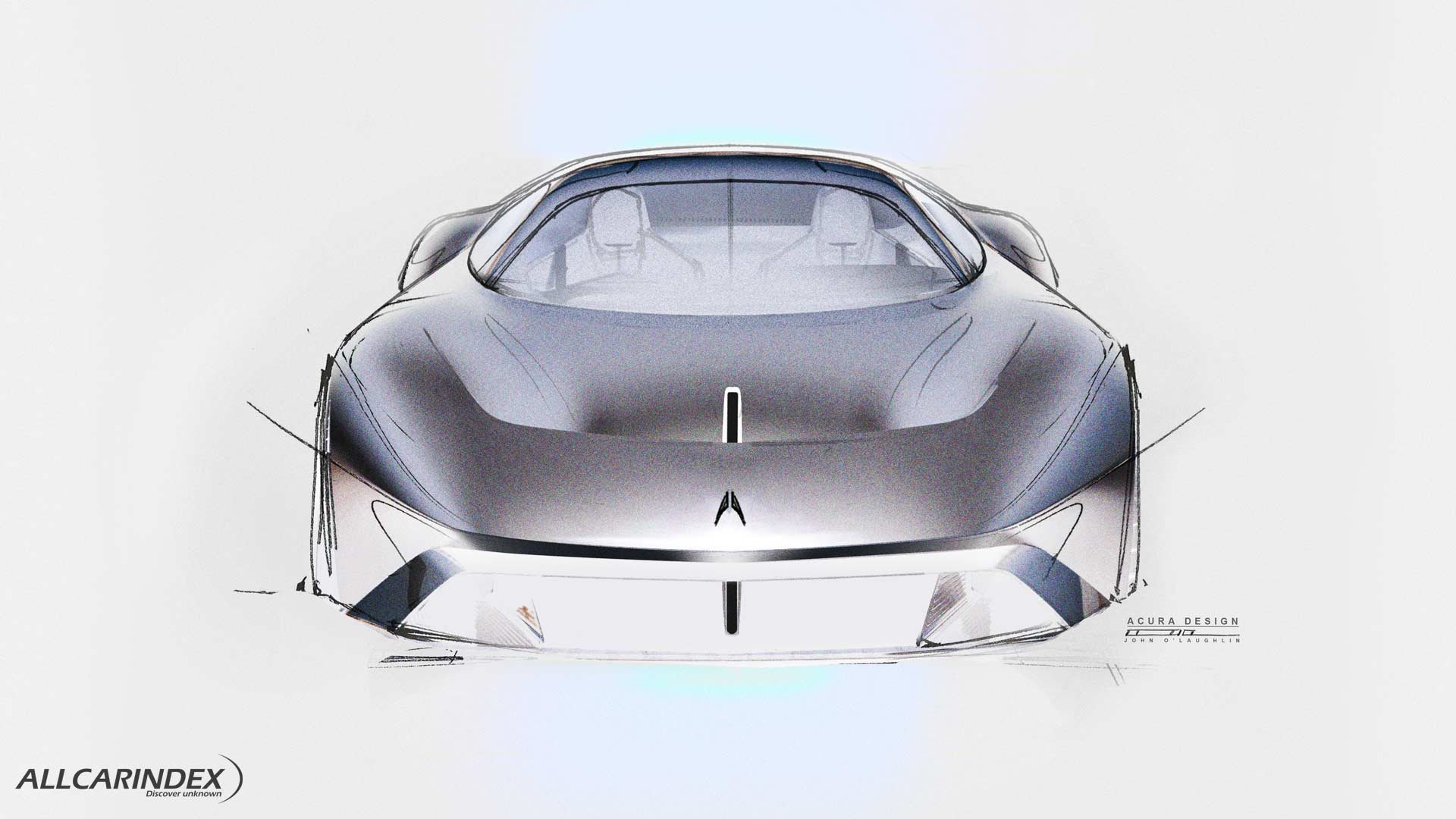
The lighting treatment is where Acura places the most emphasis on what will carry forward into production. Hidden behind the bodywork itself, an approach the brand calls phantom lighting, the headlights and taillights only reveal themselves once illuminated, which keeps the surfacing uninterrupted when they are dark. The lights themselves are ultra-thin and were shaped around the brand's own 'A' mark, and Acura states plainly that this lighting signature will be found on future Acura production designs, starting with the next-generation RDX Hybrid. Tsuchida frames it as a deliberate identity marker rather than a styling flourish. "To reinforce the new Acura styling identity, we developed a unique lighting signature inspired by the Acura 'A' mark, an unmistakable design element created to make this new era of Acura instantly recognizable," he said, adding that the NEXERA Vision sets the course for the next generation of Acura design and that the brand is committed to evolving that direction with clarity, consistency and purpose across future products.
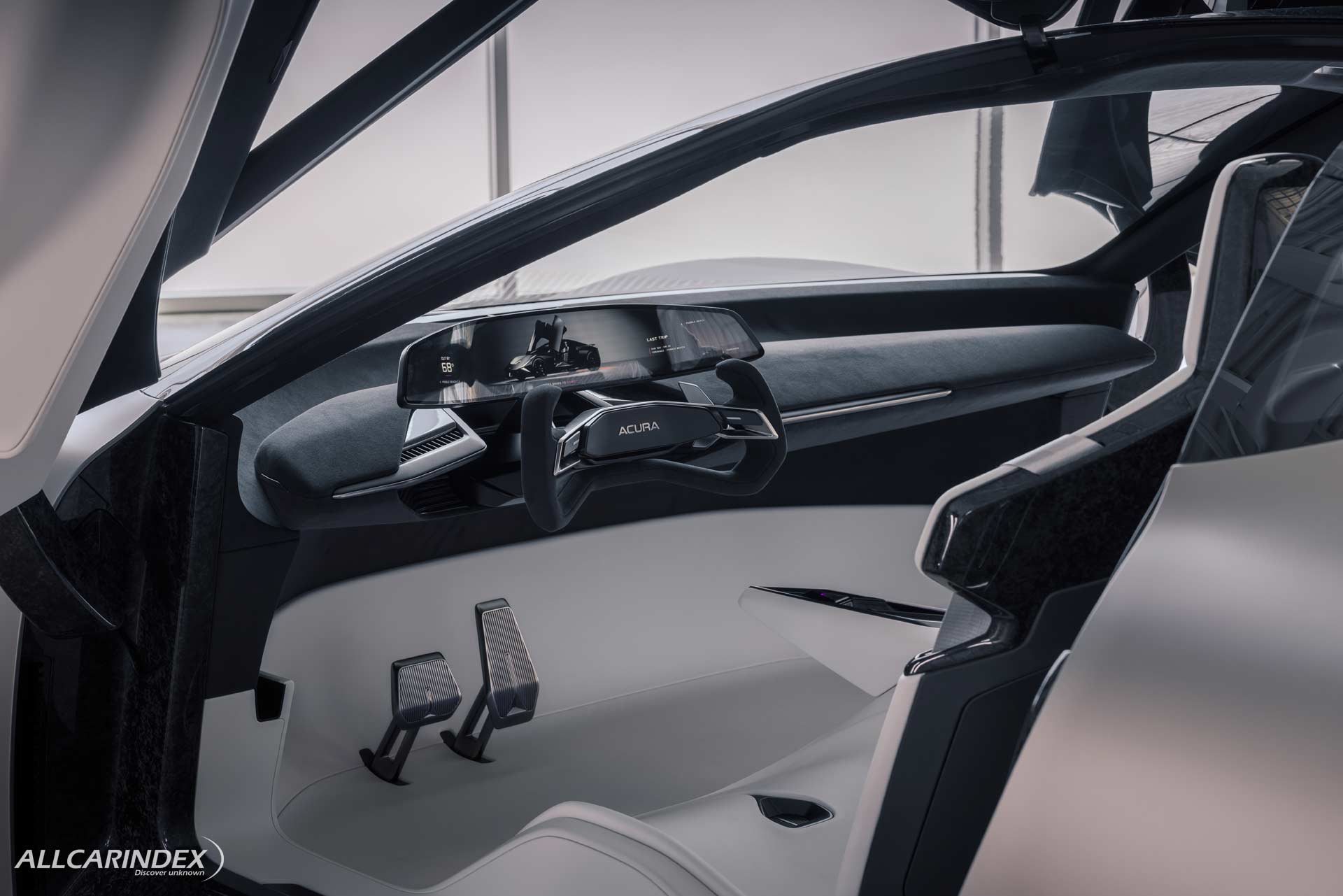
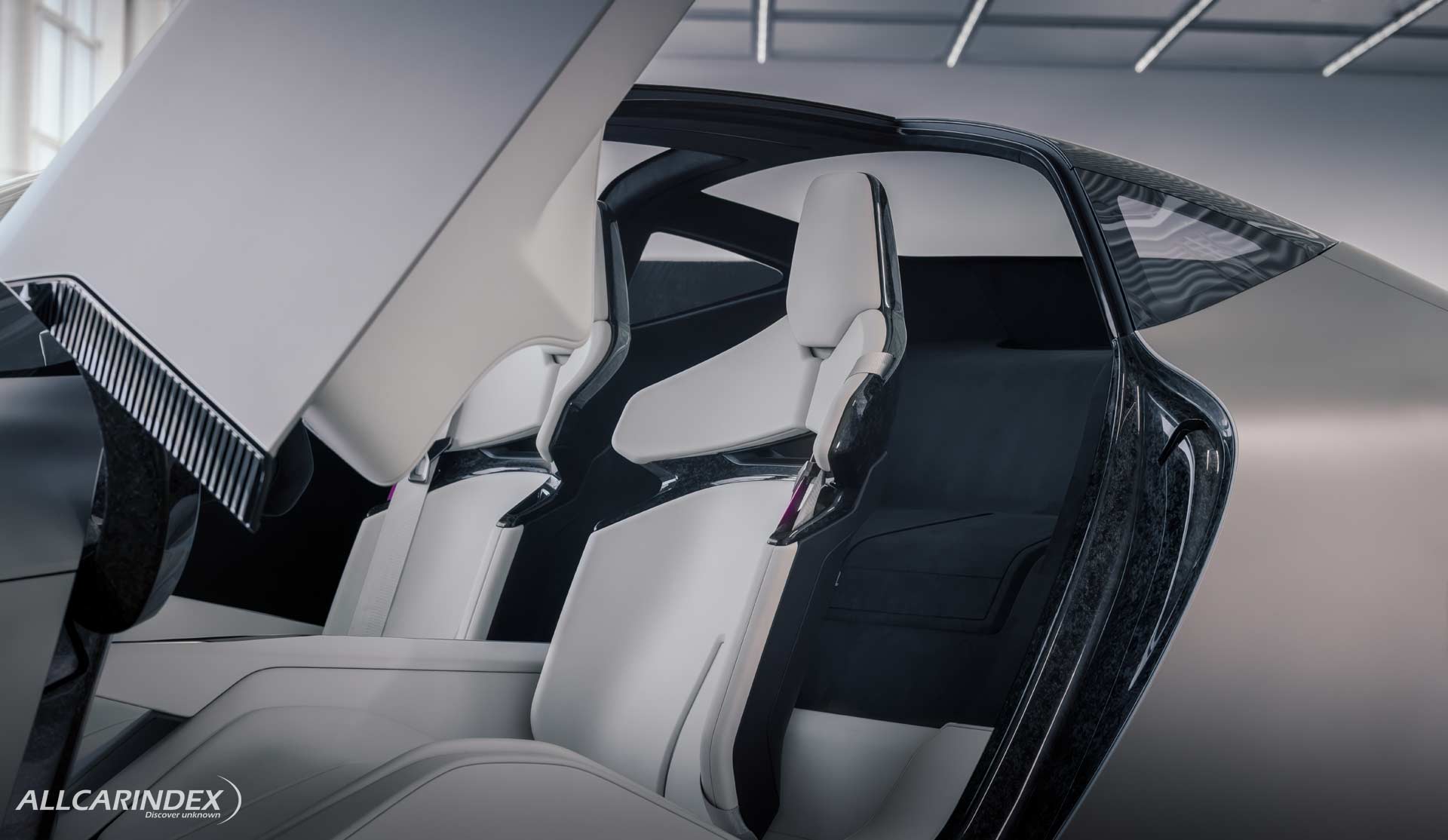
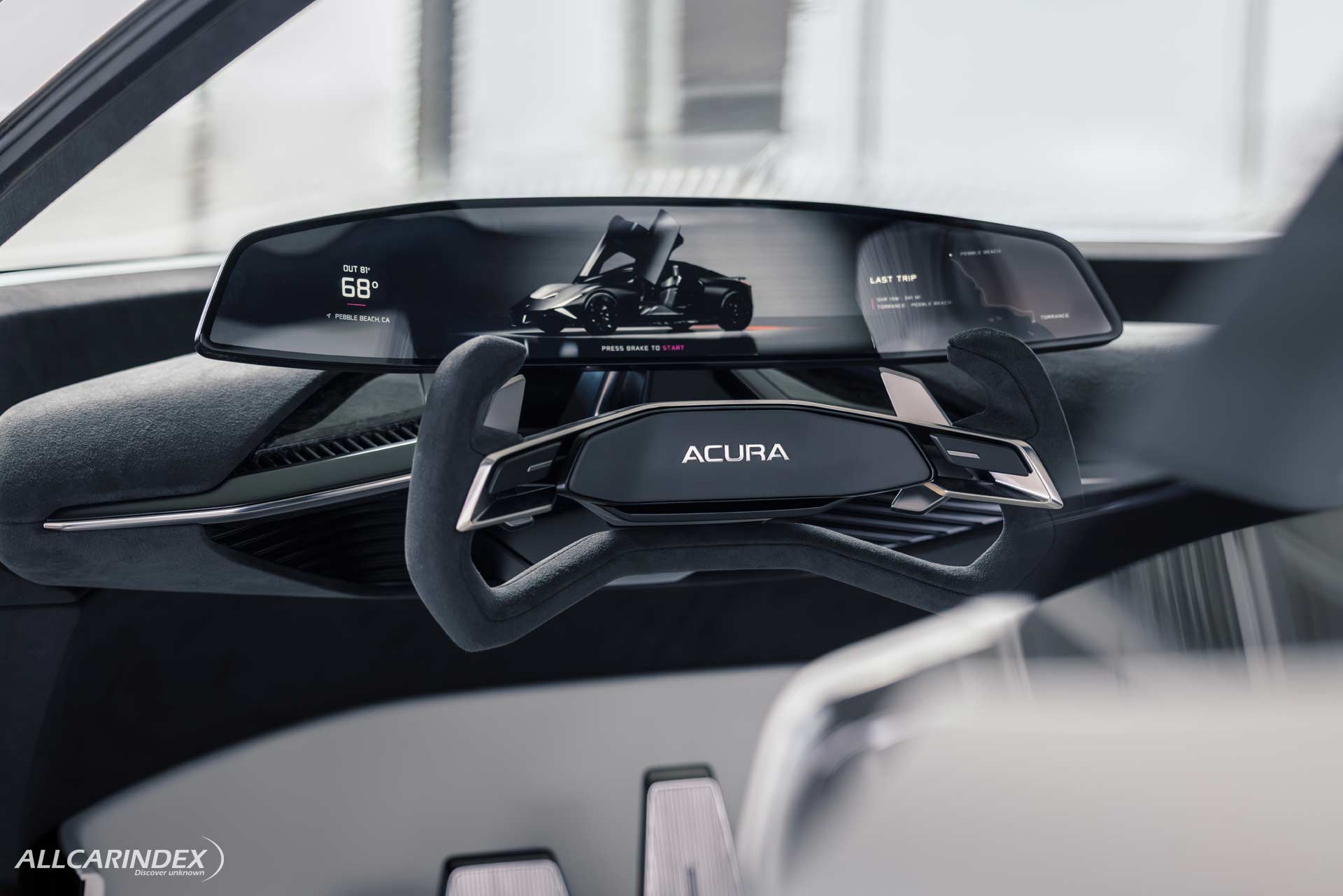
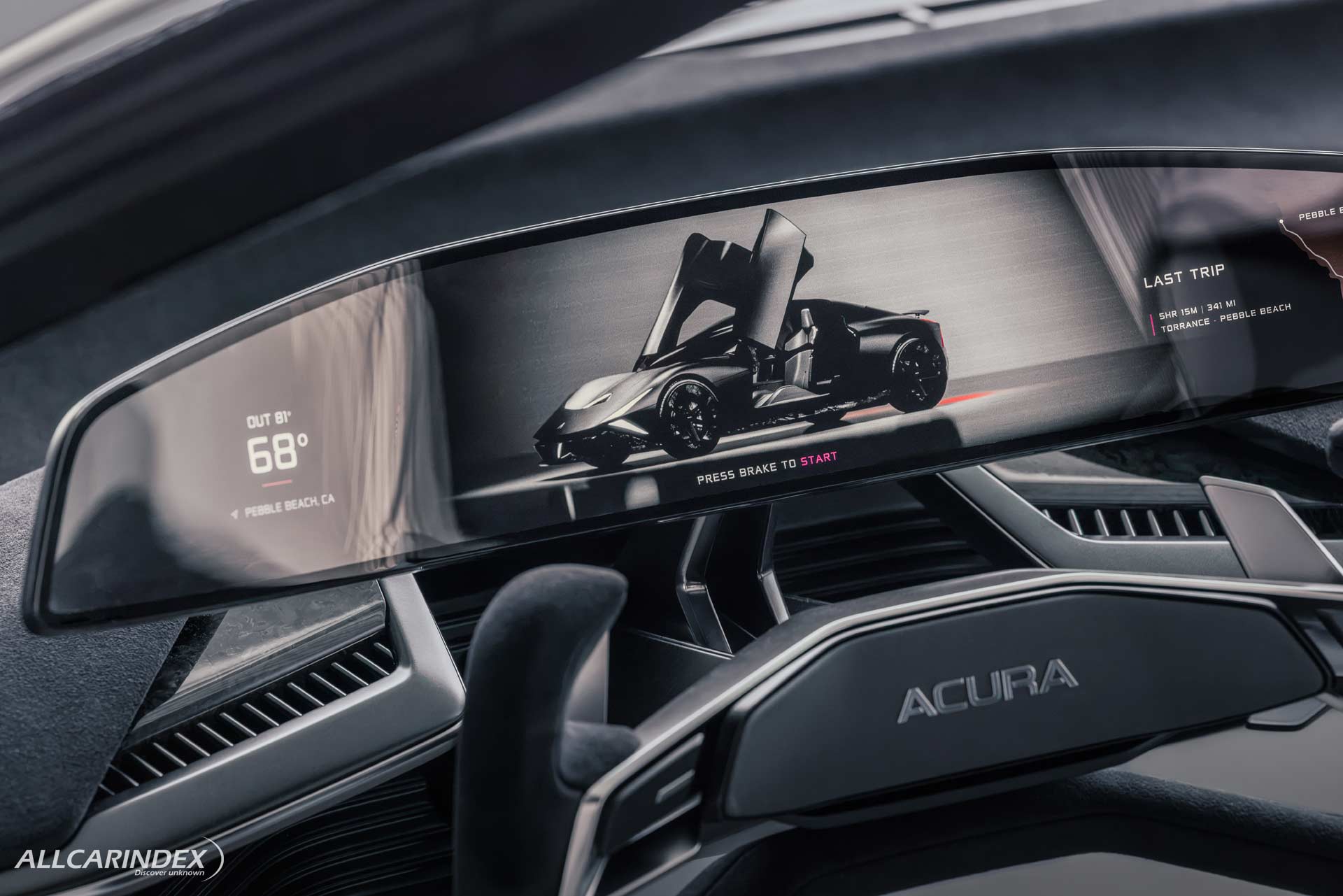
Inside, the ambition shifts from surfacing to cockpit architecture. Acura describes the interior as redefining the sports car cockpit by balancing spaciousness with a more precision-focused intimacy, built to eliminate distractions while amplifying the visceral thrill of driving. The most unusual element is the seating itself: the front seats are integrated into the floor in a fixed position, a layout that significantly lowers the driver's seating position, while it is the pedals and steering wheel that adjust to meet the driver rather than the other way around. That's the inversion at the center of the cabin's logic.
The finish carries that same performance intent into color and material. The cabin runs black and white, pairing premium sustainable materials and forged carbon with gloss black finishes and high-contrast pink accents for a sharp, contemporary look. The sustainable materials named include recycled aluminum, Alcantara incorporating certified post-consumer recycled polyester, and CircuLeather, a genuine leather material built to support a more circular material lifecycle. Tsuchida ties the choice directly to how the brand wants premium to be understood going forward. "Sustainability is playing an increasingly important role in how premium quality and performance are defined, and the Acura brand is embracing innovative material technologies that bring fresh possibilities to the customer experience while supporting broader environmental ambitions," he said, adding that these advancements help reduce the carbon footprint associated with Acura's products and open new opportunities to challenge conventional ideas of quality.
Following its world premiere at The Quail on Friday, August 14th, the Acura NEXERA Vision moves on to the Pebble Beach Concours d'Elegance Concept Lawn on Sunday, August 16th, closing out the same Monterey Car Week that opened with Acura marking forty years of the challenger spirit it says the car was built to carry forward.