
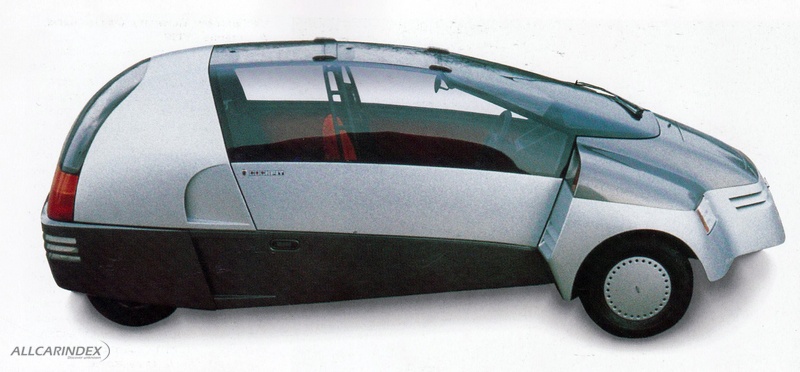
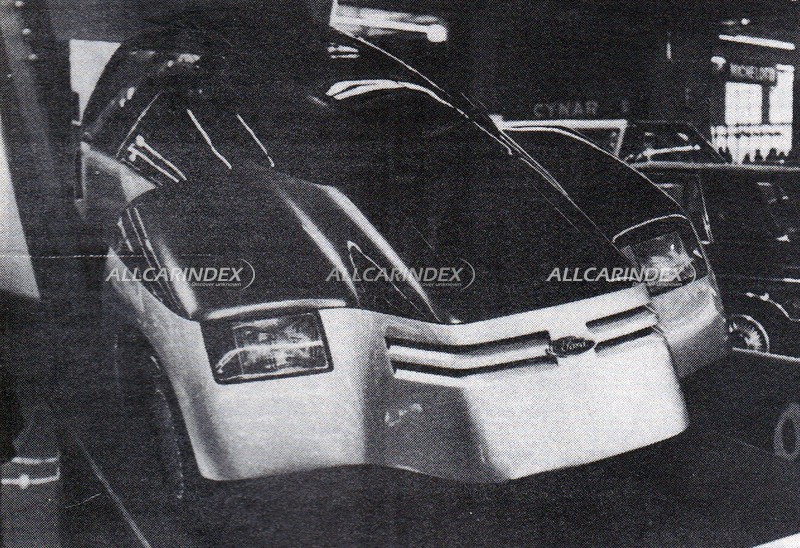
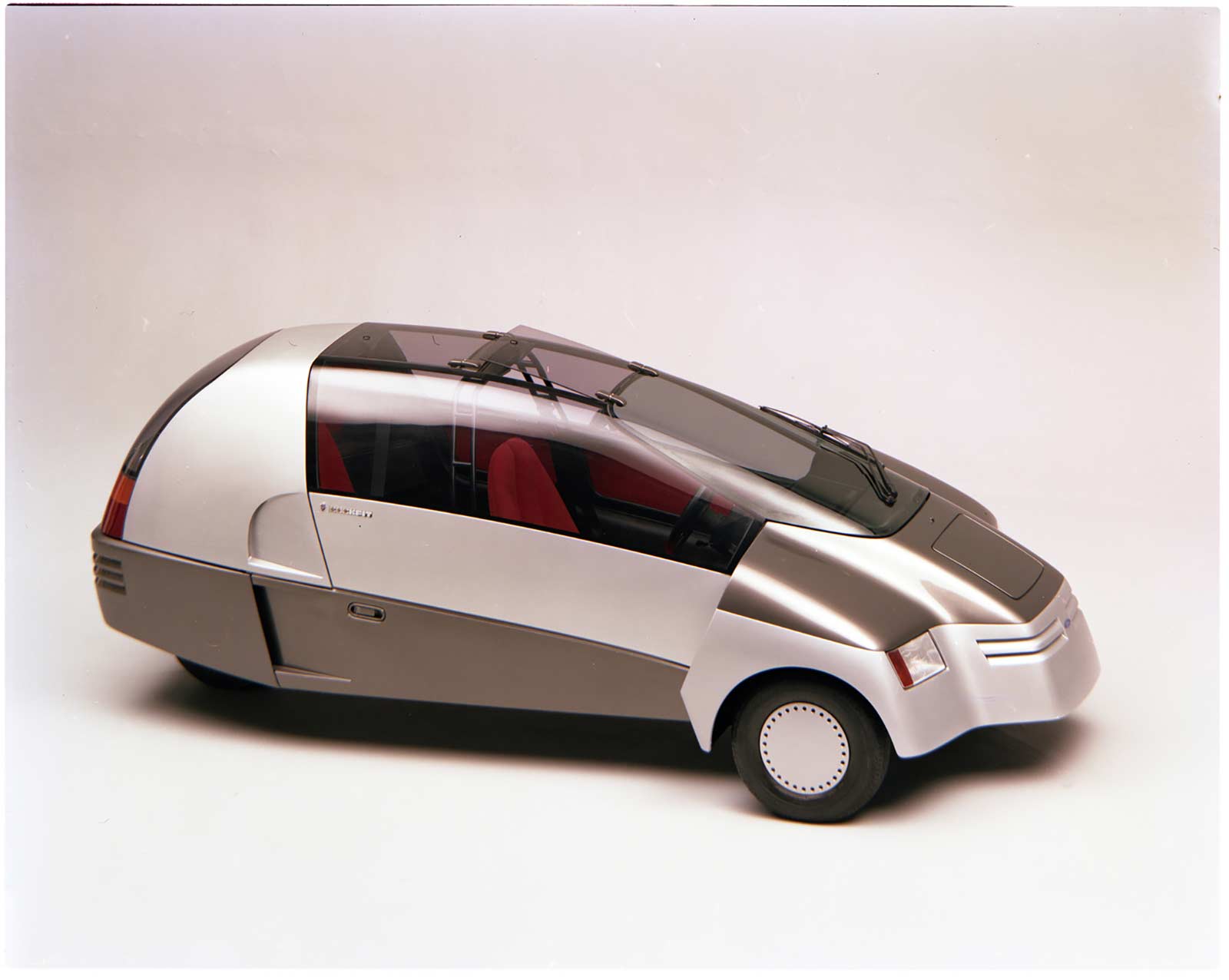
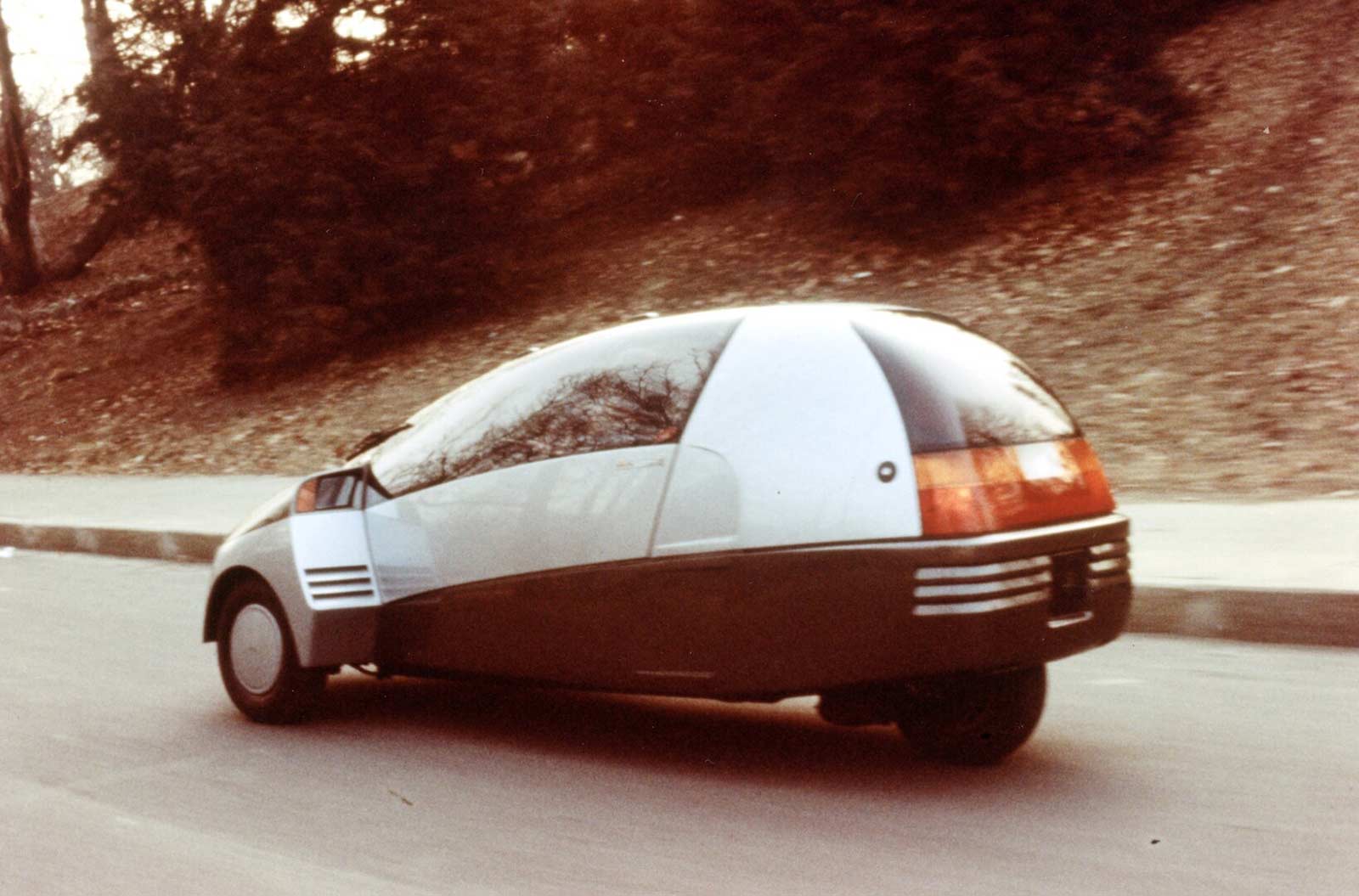
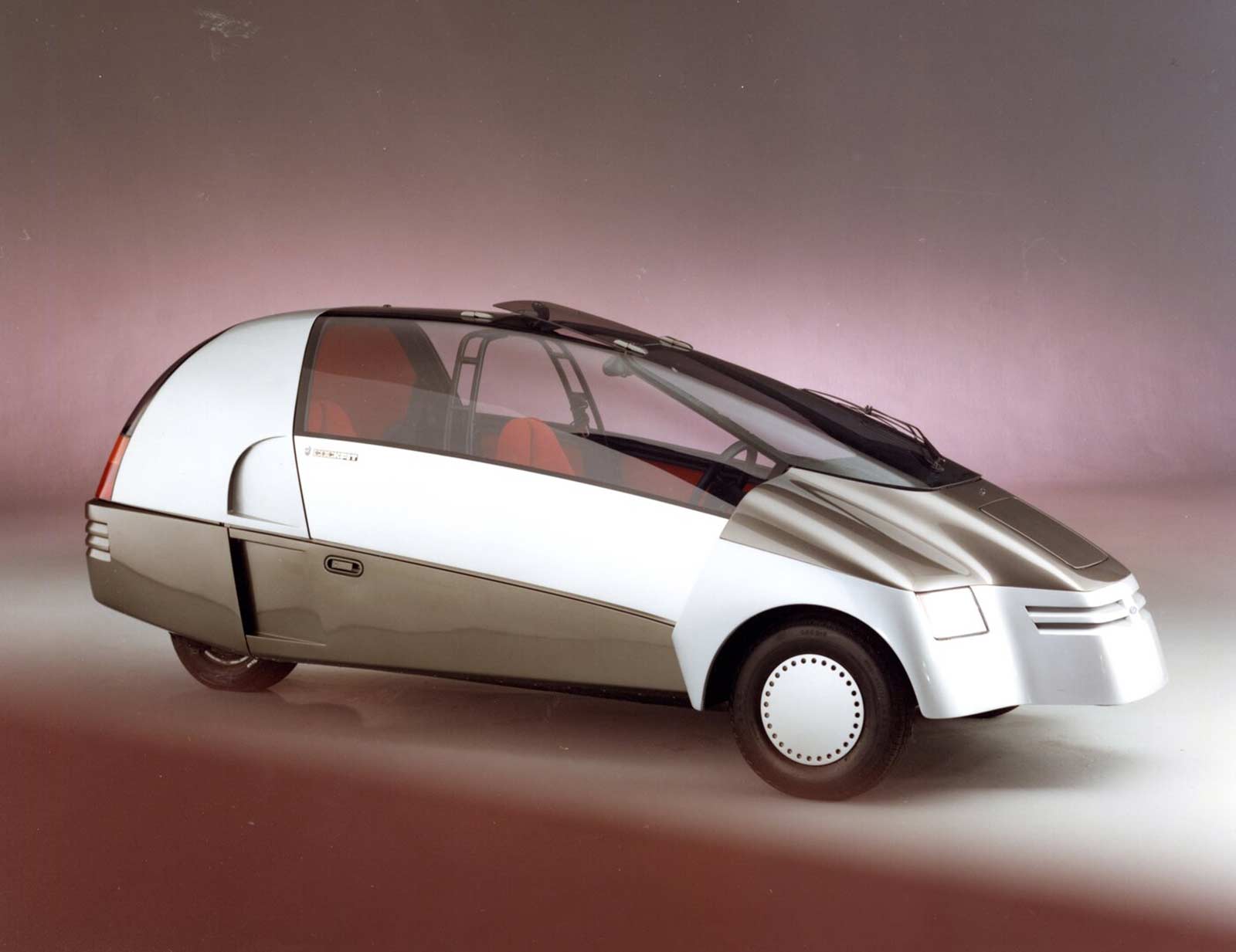
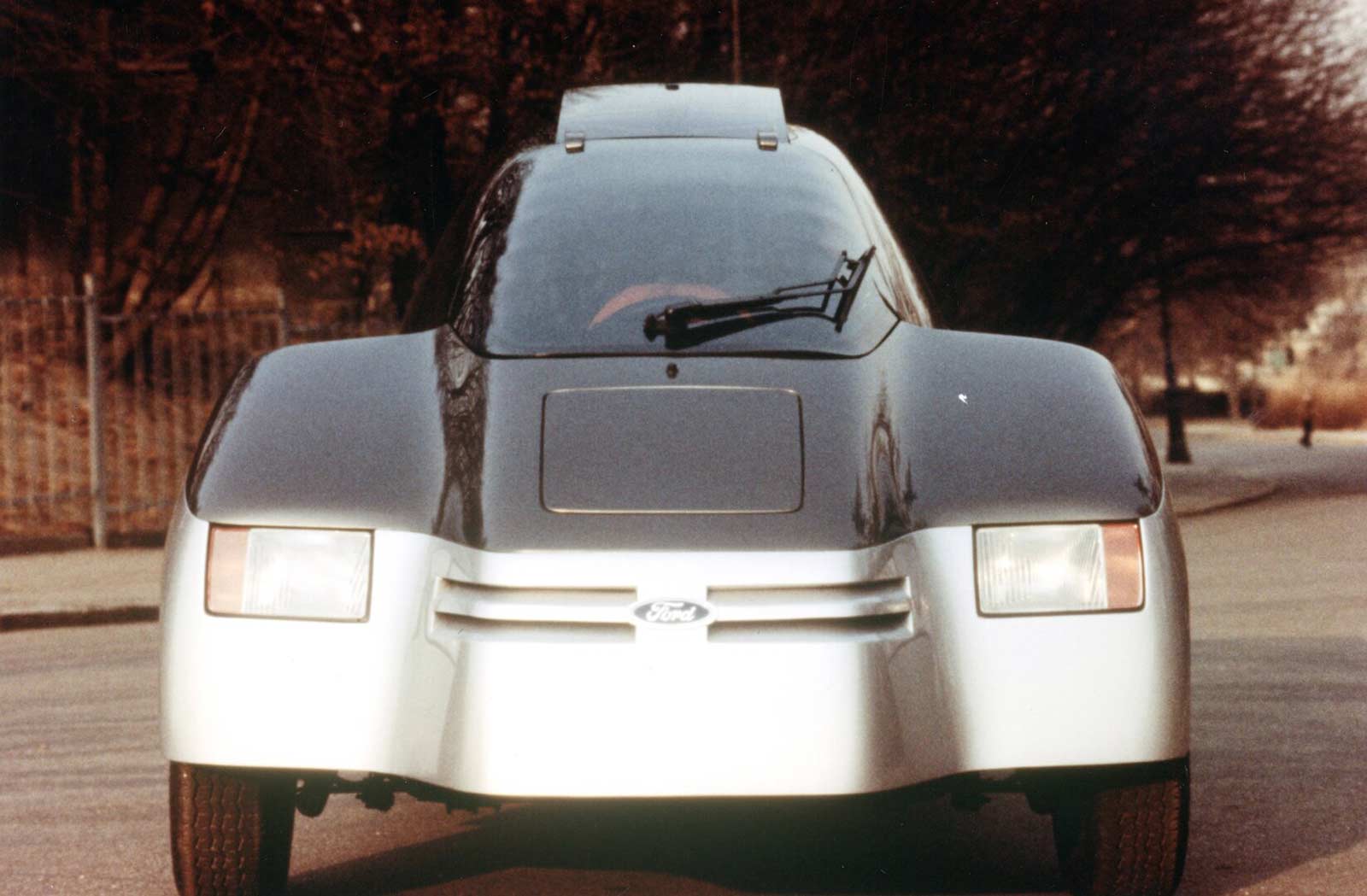
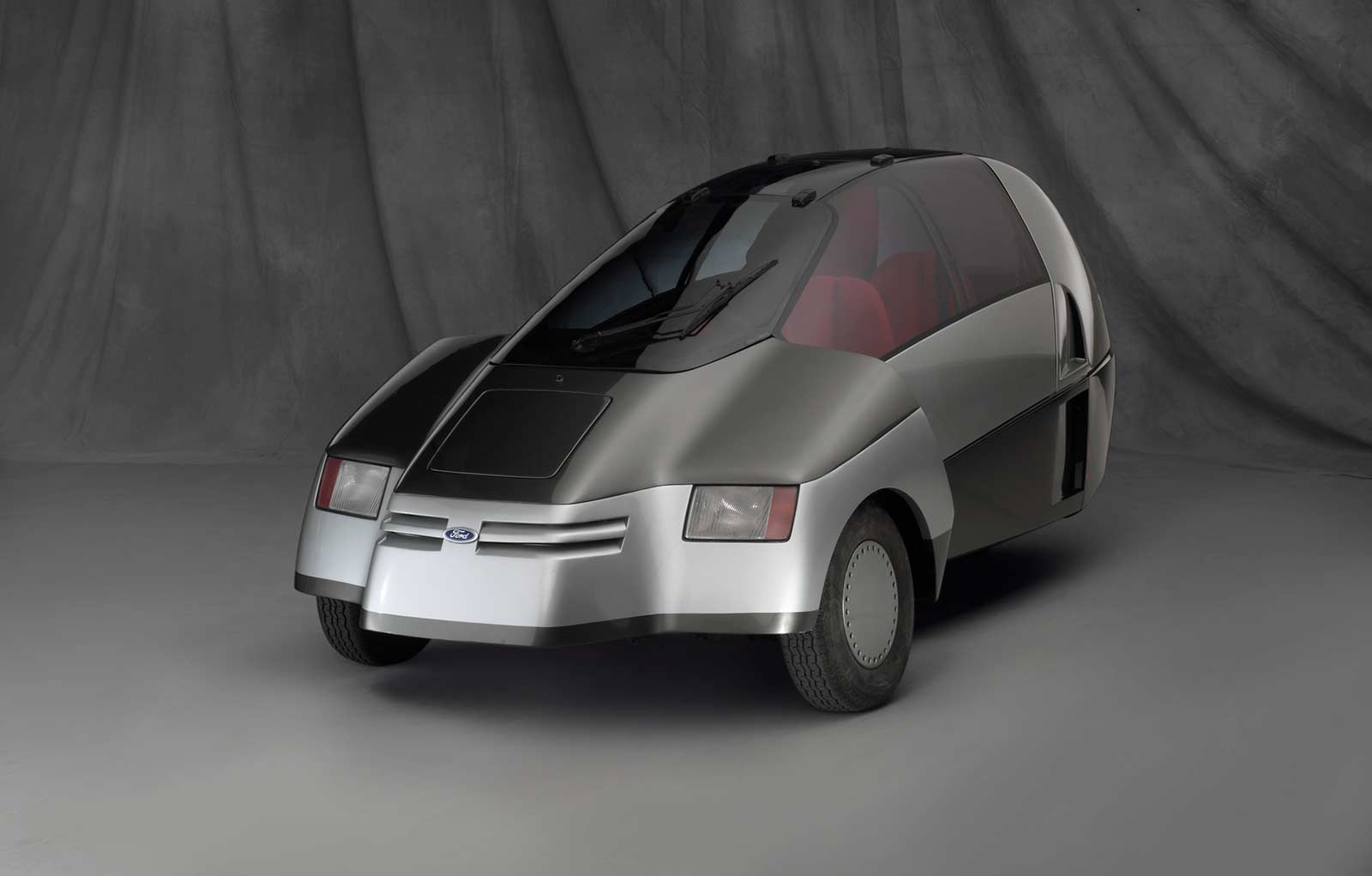
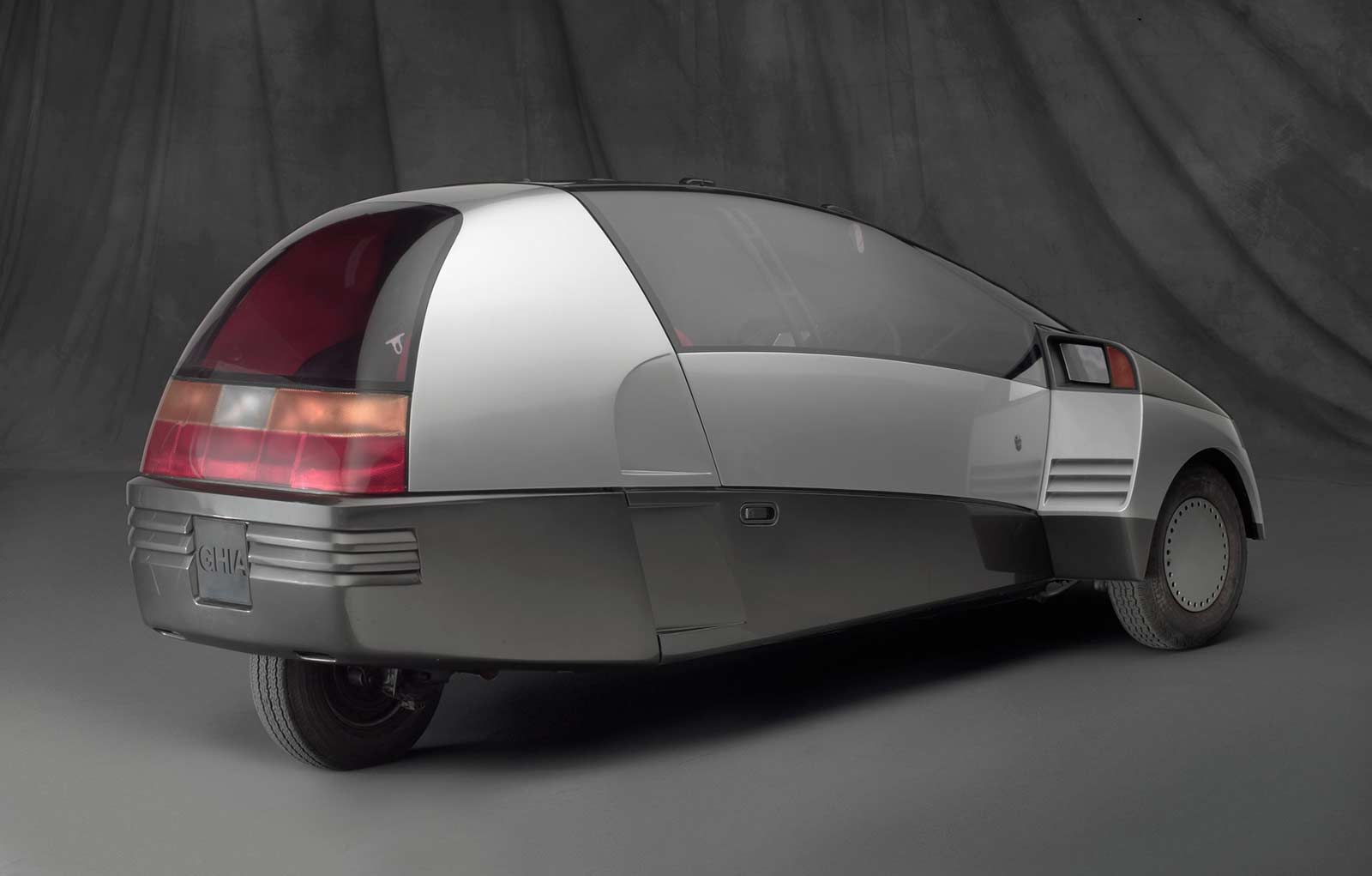
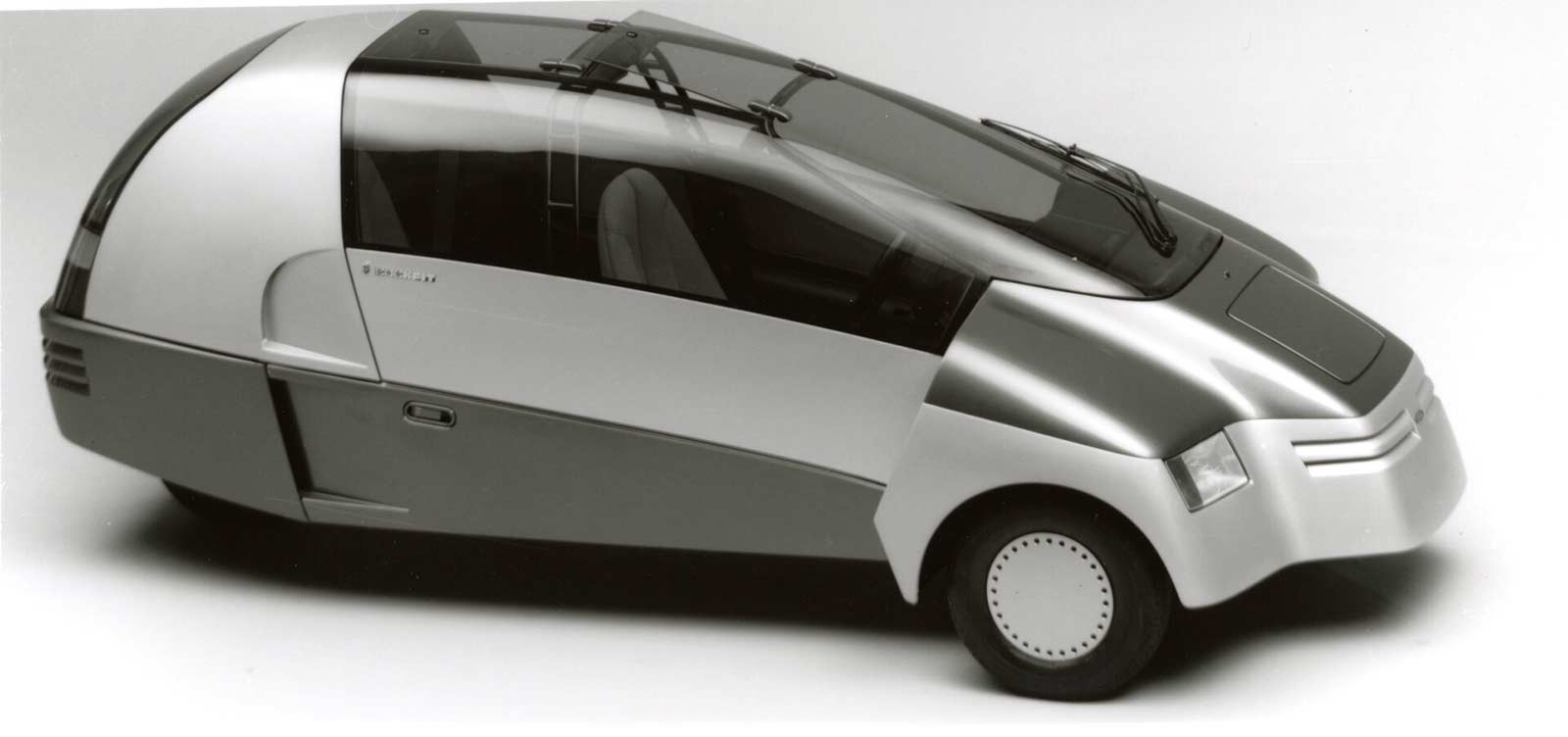
The Ghia Cockpit was a three-wheeled concept city car developed by Ghia Operations of Turin, Italy, Ford Motor Company's design studio, and unveiled at the 1981 Geneva International Motor Show alongside two other Ghia prototypes, the A.C. Ghia and the Avant Garde. It was a one-off design exercise rather than a vehicle intended for production, built to explore how a form of transport focused on extreme fuel economy might look. Filippo Sapino, managing director of Ghia Operations, said the three prototypes were not planned for manufacture but were meant to let designers research concepts and features that could later be adapted for volume-production cars.
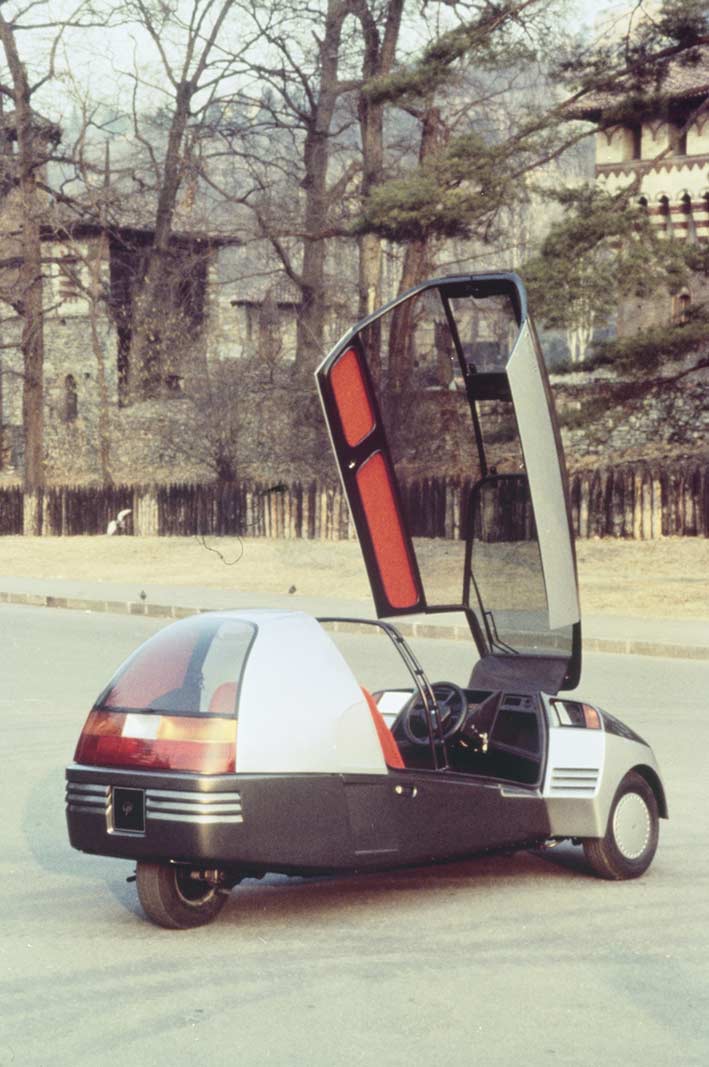
The Cockpit seated two occupants in tandem, one behind the other, in a layout that recalled the postwar Messerschmitt cabin scooter. It was aimed at achieving average fuel consumption below 3 liters per 100 km, with projections suggesting better than 75 miles per gallon in stop-start urban driving. Power came from a rear-mounted, mid-engine 200 cc single-cylinder four-stroke engine built by Piaggio, the Vespa scooter manufacturer, producing 12 hp and driving a single rear wheel. Ghia noted that the car's layout would also suit an electric drivetrain or another alternative power source then being researched by Ford. At a weight of 350 kg (reported elsewhere as 770 pounds), the car was expected to retain acceptable performance despite its small engine.
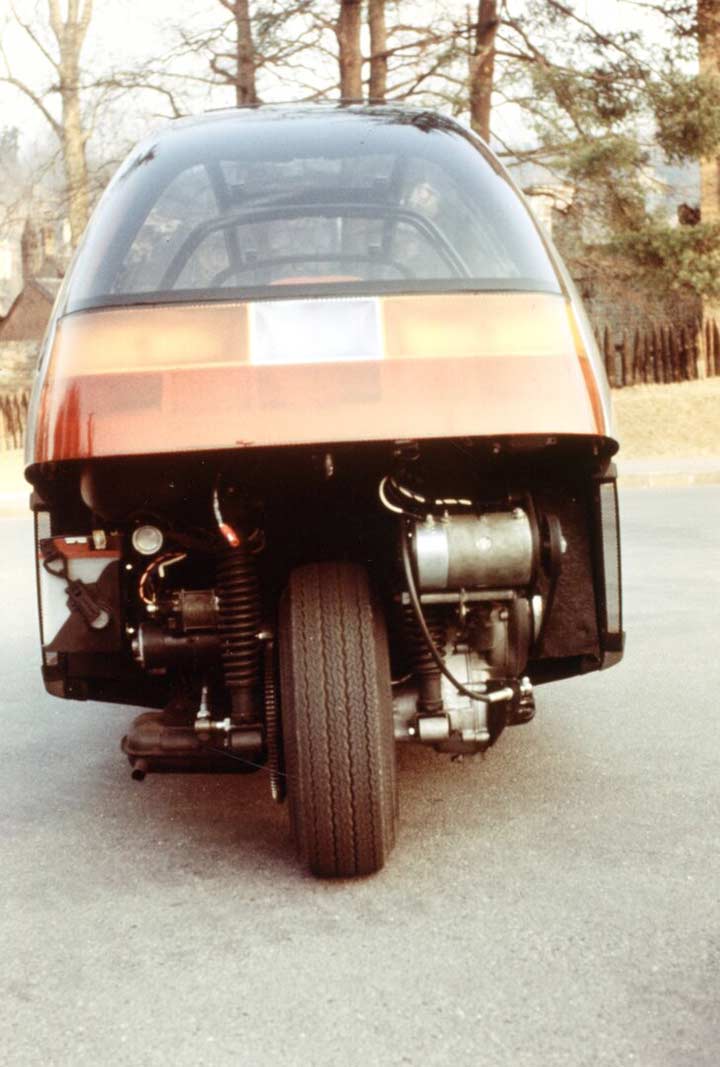
Ghia engineers designed a dedicated triangular chassis frame with side outrigger bars to carry all mechanical components. The front suspension used a transverse spring, controlled by hydraulic shock absorbers, while the combined rear drive and wheel unit was mounted at the apex of the chassis and supported by two coil-spring shock absorber struts. Steering was central, acting through a rack-and-pinion system, and all three aluminum wheels used drum brakes and carried 145 SR 10 tires. The four-speed gearbox was shifted using a small lever operating in a single plane, while reverse movement was handled by a separate electric motor.
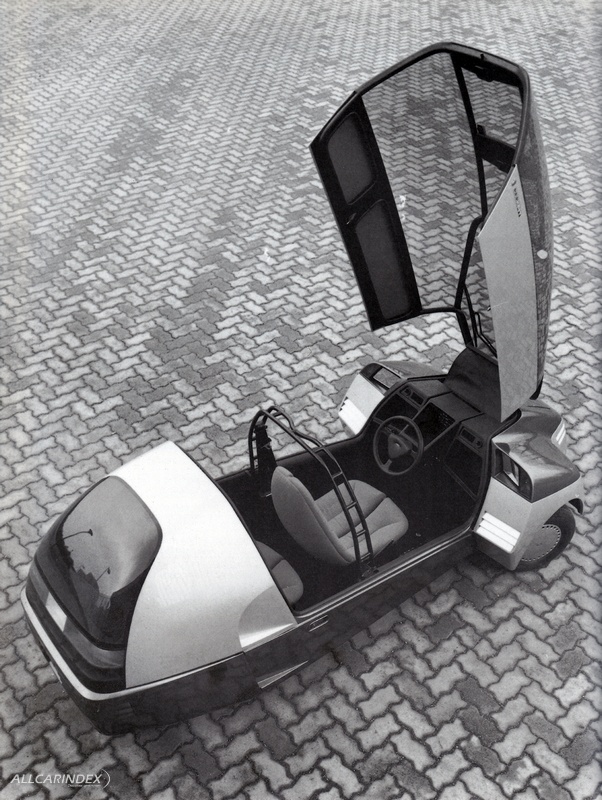
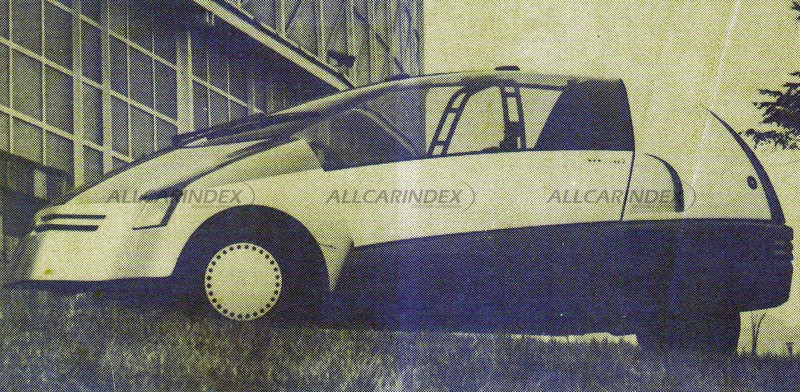
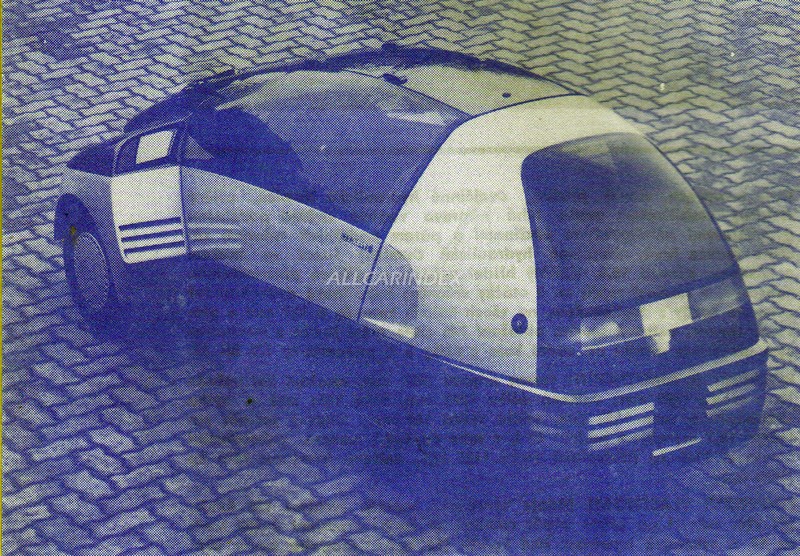
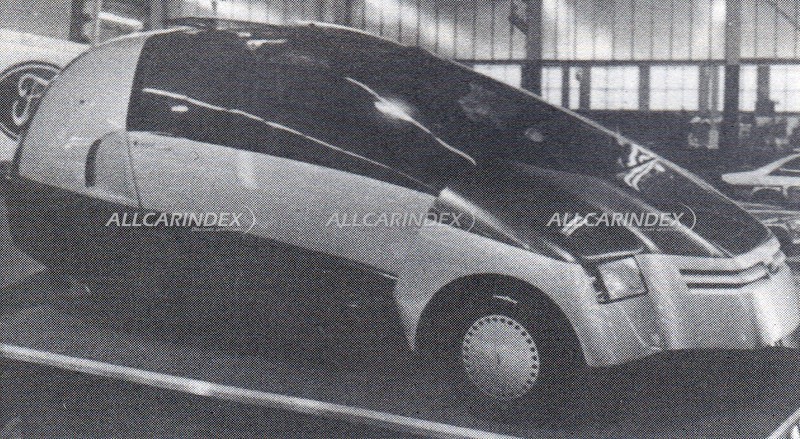
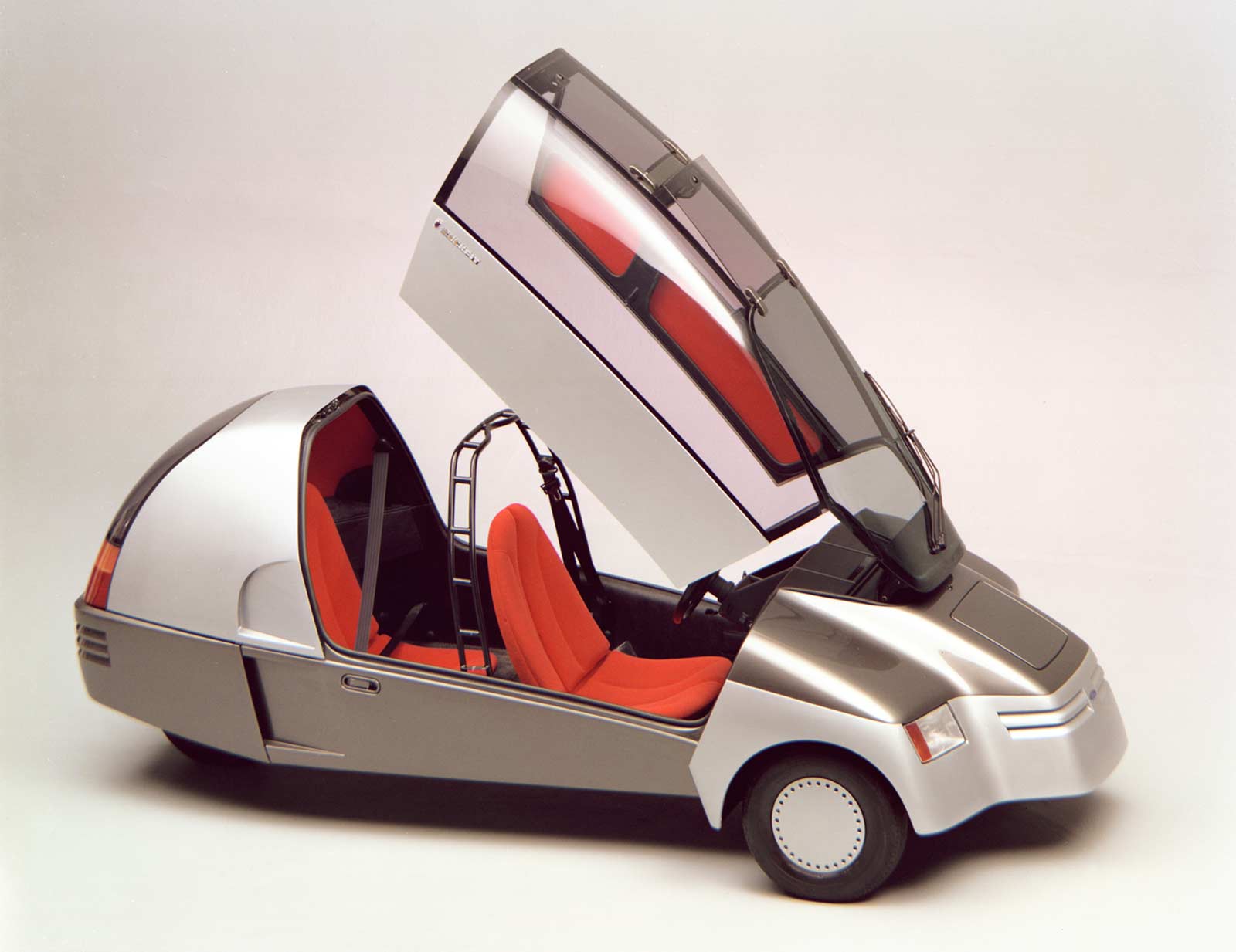
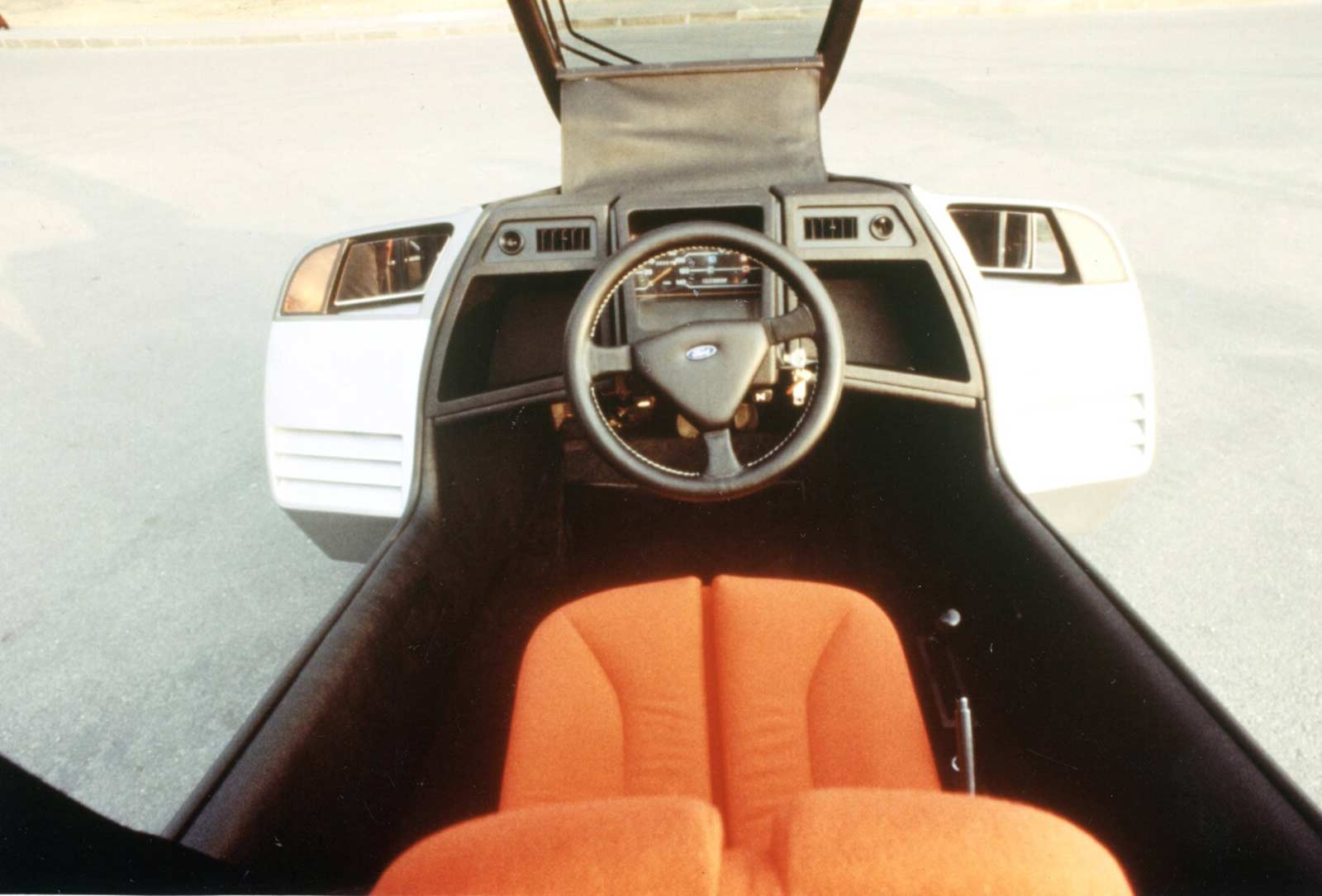
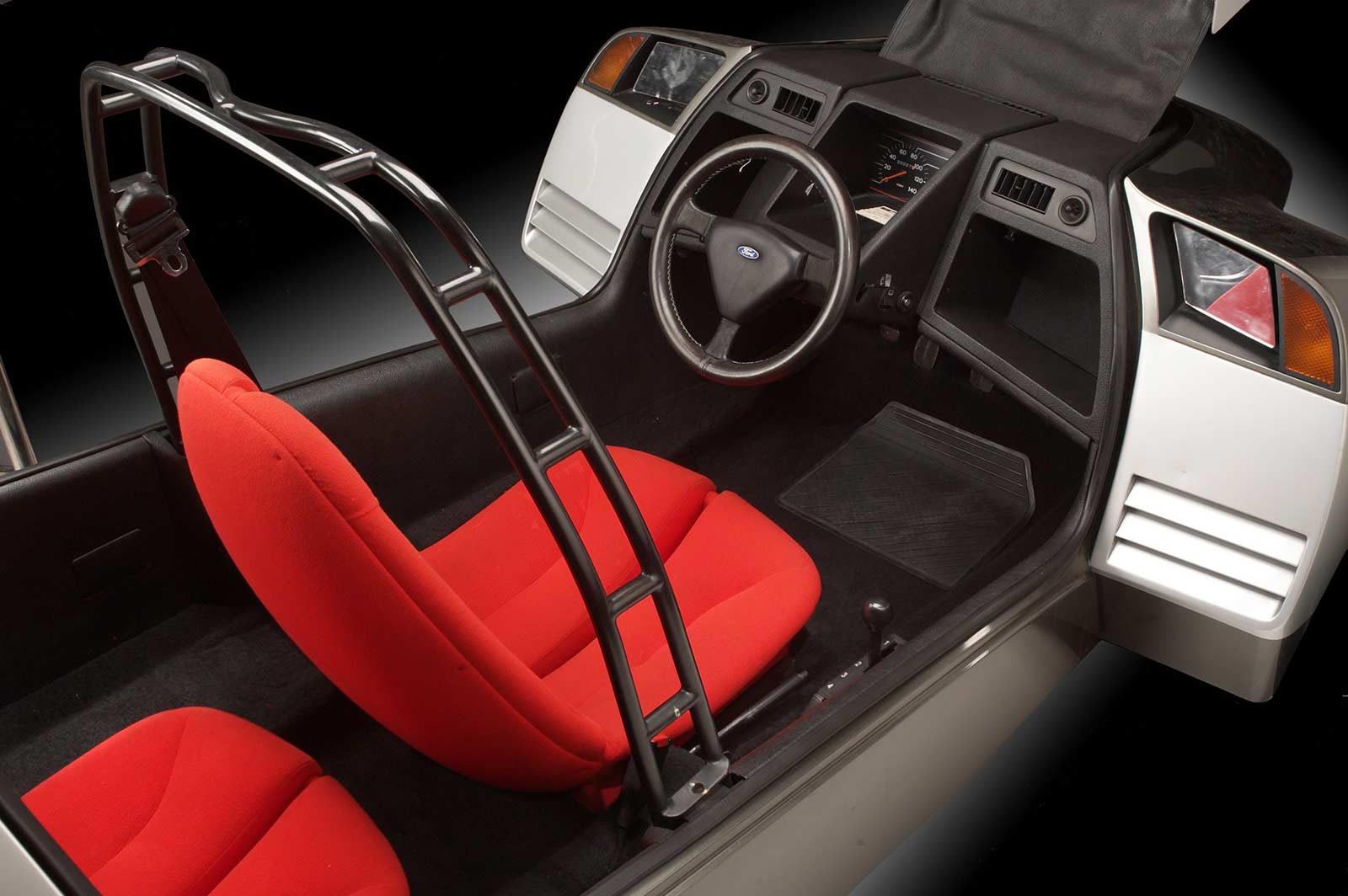
Occupant protection included a collapsible steering column, side tubes, and a rollover structure positioned beneath the forward-hinged central body section. This canopy, raised via hydraulic struts (described elsewhere as gas-pressure springs), lifted upward and forward to provide access to the cabin, functioning as a substitute for conventional doors. It allowed entry and exit in a very tight space, given the car's overall width of just 143 cm. Aside from the laminated-glass windshield, the domed central body section and its tinted see-through panels were made of reinforced plastic. Both the front and rear sections of this canopy could be tilted open for extra ventilation in warm weather, and the transparent panels could also be raised vertically while the car was stationary. The bodywork was shaped with attention to aerodynamic airflow management.
Inside, the cabin held two individually shaped seats arranged in tandem. Storage was provided under the front hood, which also housed the spare wheel, alongside the seats, and on a shelf above the engine at the rear. Additional large storage compartments flanked the unusually shaped dashboard. Other features included electric heating and exterior mirrors integrated into the upper sections of the front wheel body fairings.
The Cockpit measured 328 cm in length and 143 cm in width, with a wheelbase of 221 cm and a track of 122 cm, and weighed 350 kg. The A.C. Ghia, shown at the same event, was a mid-engined two-seat sports car concept built on a British sports car chassis with a transverse three-liter V-6 engine, developed further from the 1978 Ford Action racing sports prototype and featuring an all-steel wedge-shaped body with dual headlamp arrangements. The Avant Garde, also displayed alongside the Cockpit, was based on the European Ford Escort and took the form of a 2-plus-2 sports coupe developed through wind-tunnel testing to target a drag coefficient as low as 0.30. All three prototypes debuted together at the 1981 Geneva show and were scheduled to appear at further European motor shows later that year.